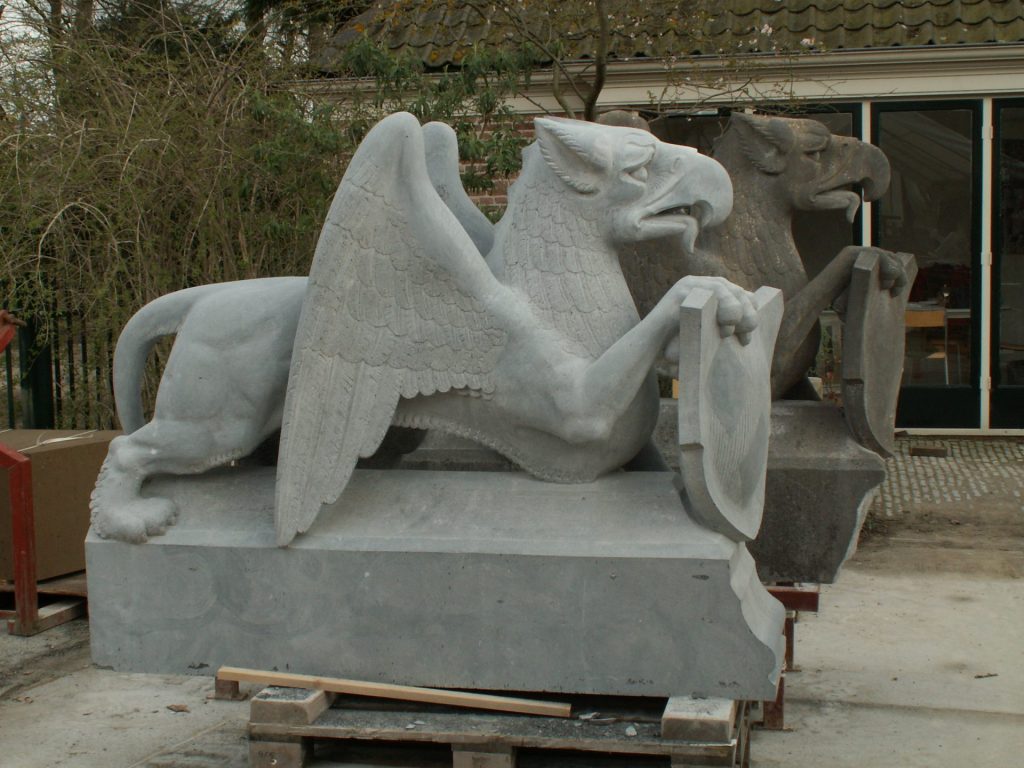
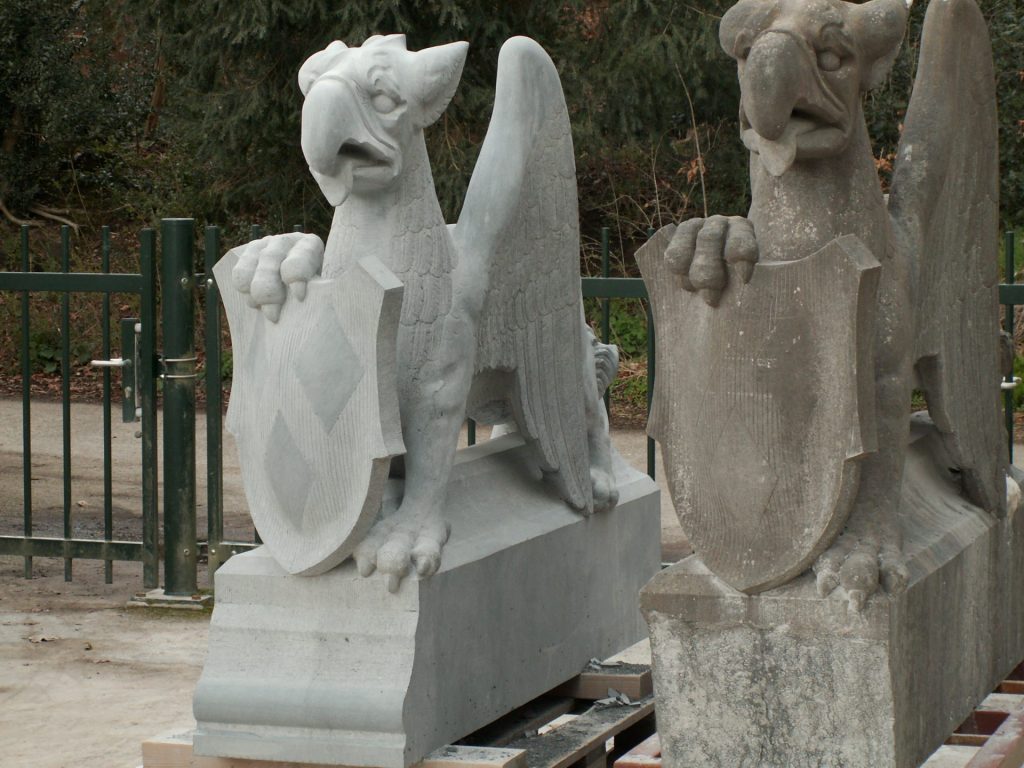
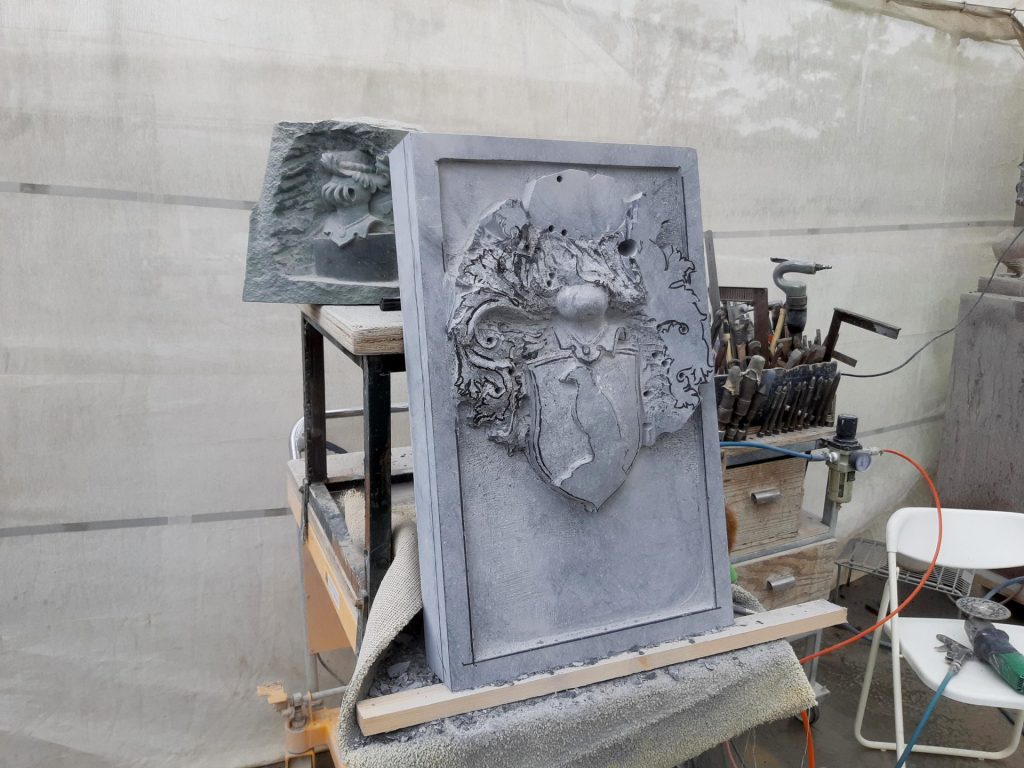
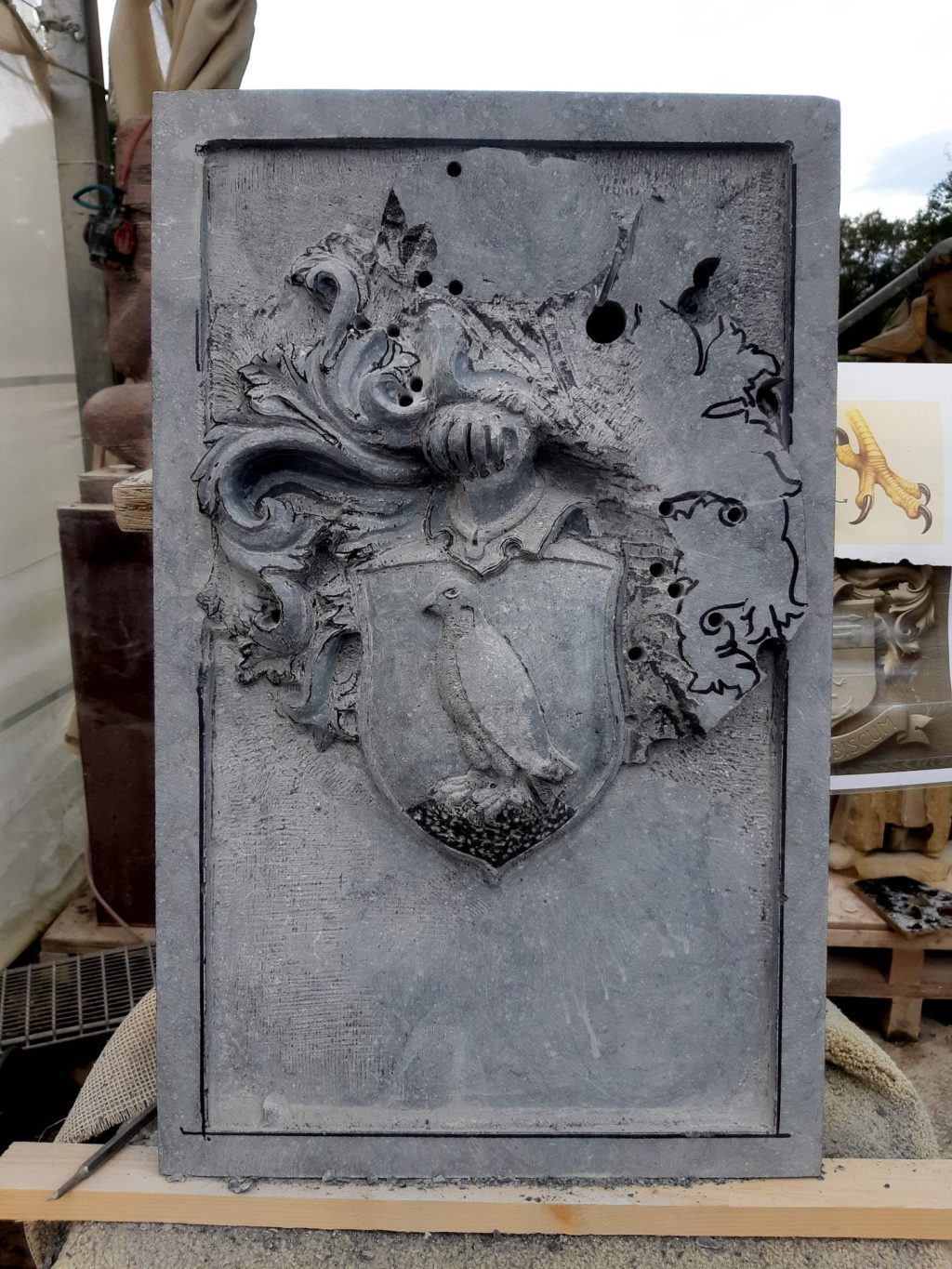
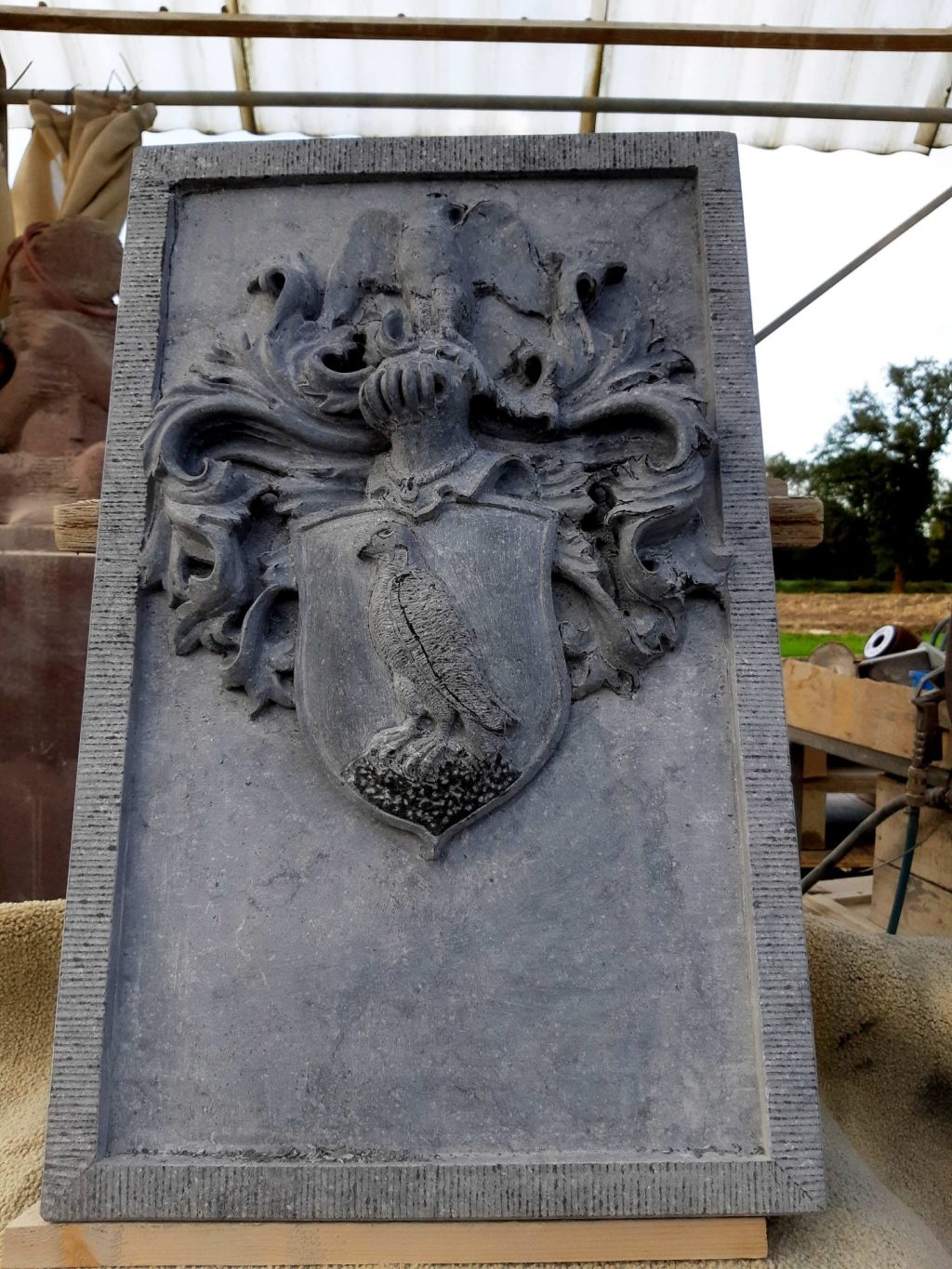
If I'd commission a coat of arms in stone… what should I bear in mind?
I often get asked what it costs to have a coat of arms carved in stone. However, I noticed that there is often still a lot of confusion for many customers. Why is it so expensive, why there are different price ranges for the same crest, and in what are you different from others? What is the surplus value to have a family crest carved by a sculptor, as opposed to passing it through a sand-blasting machine, milling it or by having a stonemason carve it?
A stone coat of arms is a form of relief carving
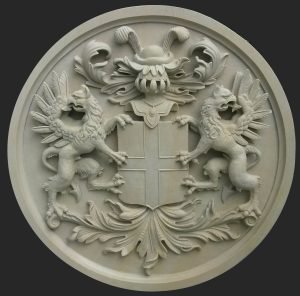
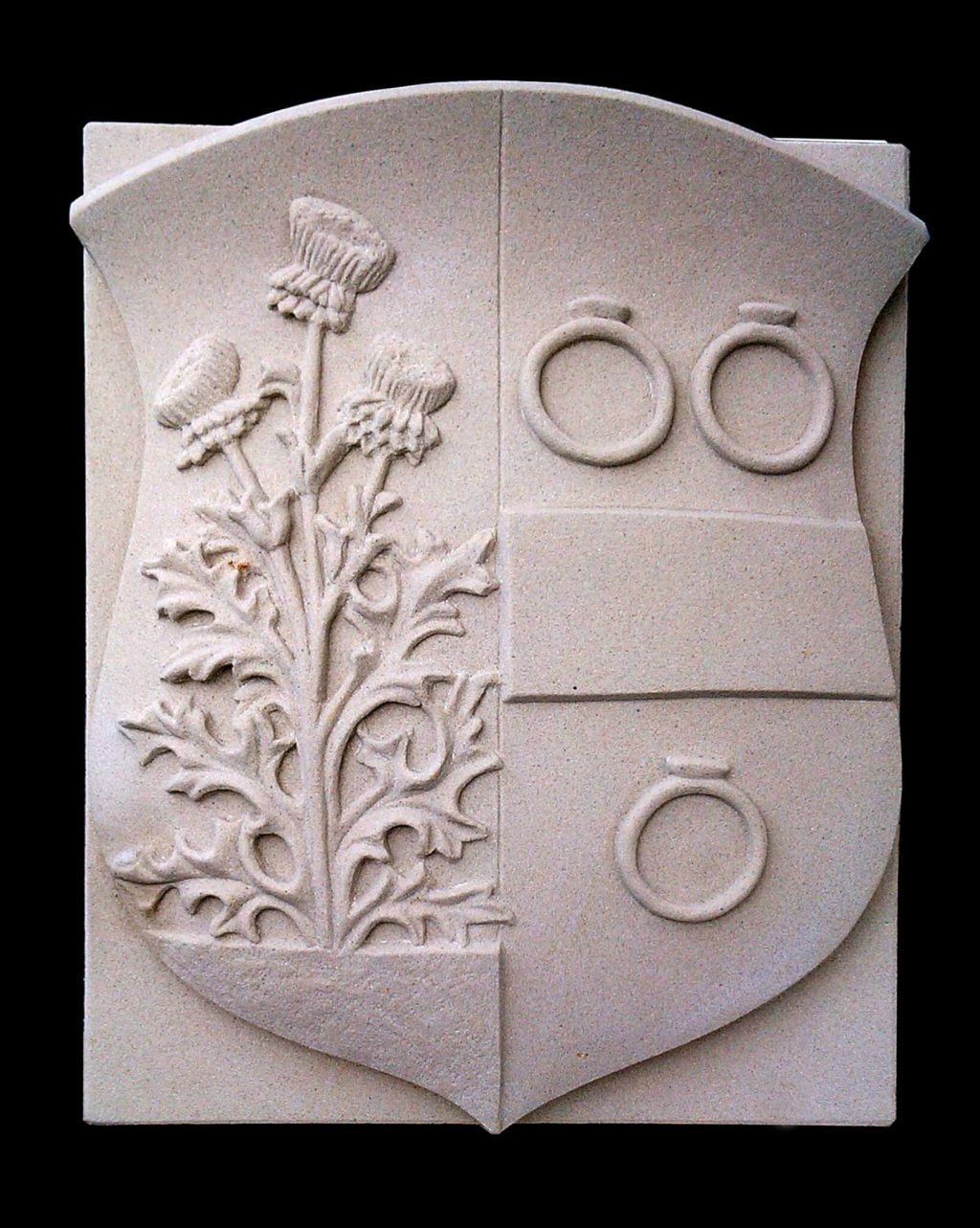
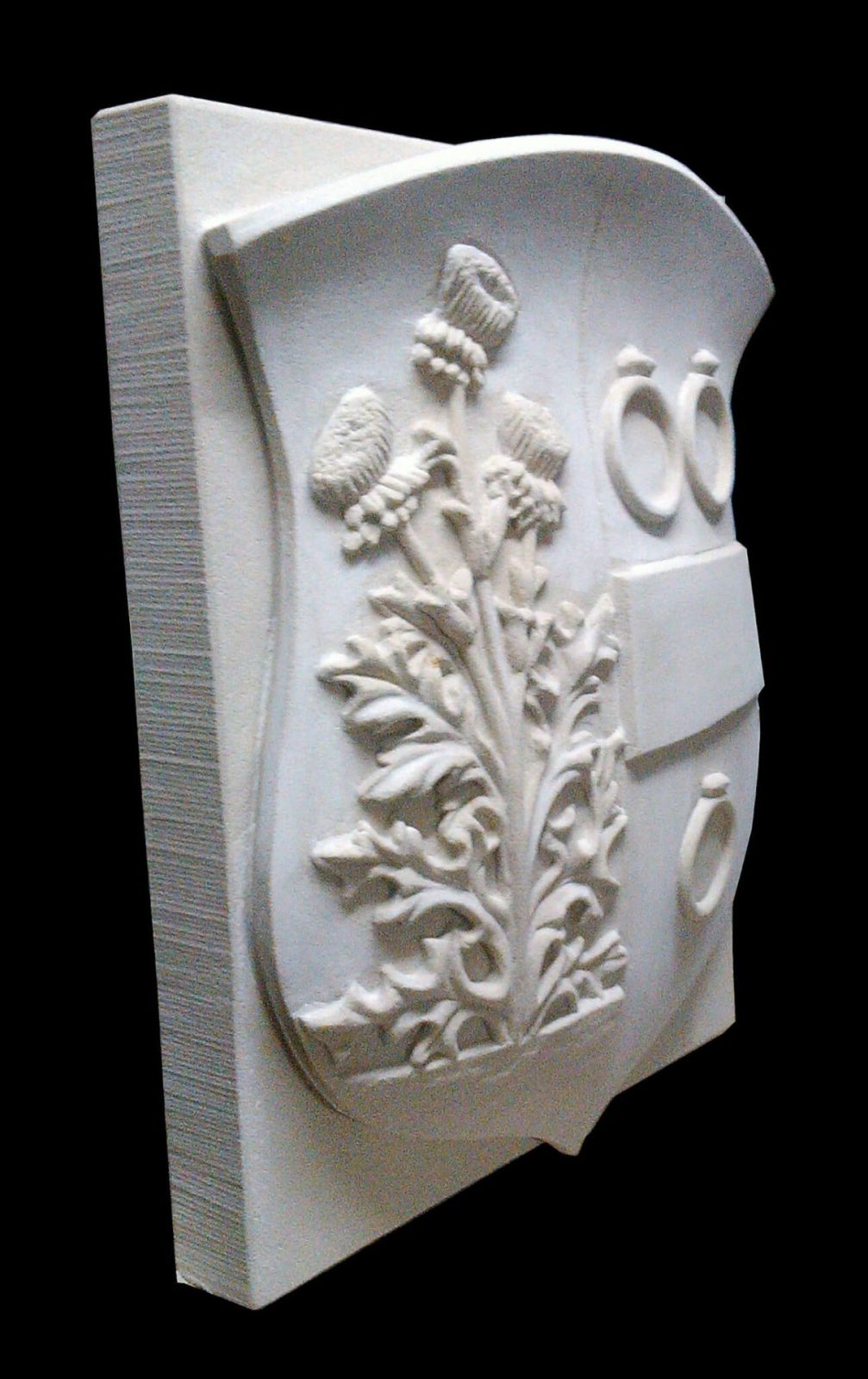
On this blog you can find many kinds of reliefs find I made in stone over the years, plus some family crests, which actually fall under reliefs as well. A relief differs from a 3D sculpture in that it bridges the gap between a drawing and a complete sculpture. A drawing takes place in the flat surface, and can, just as a photograph can, display all kinds of thing that aren't possible in a sculpture: a cloud, lighting, a reflection, a flying bird…
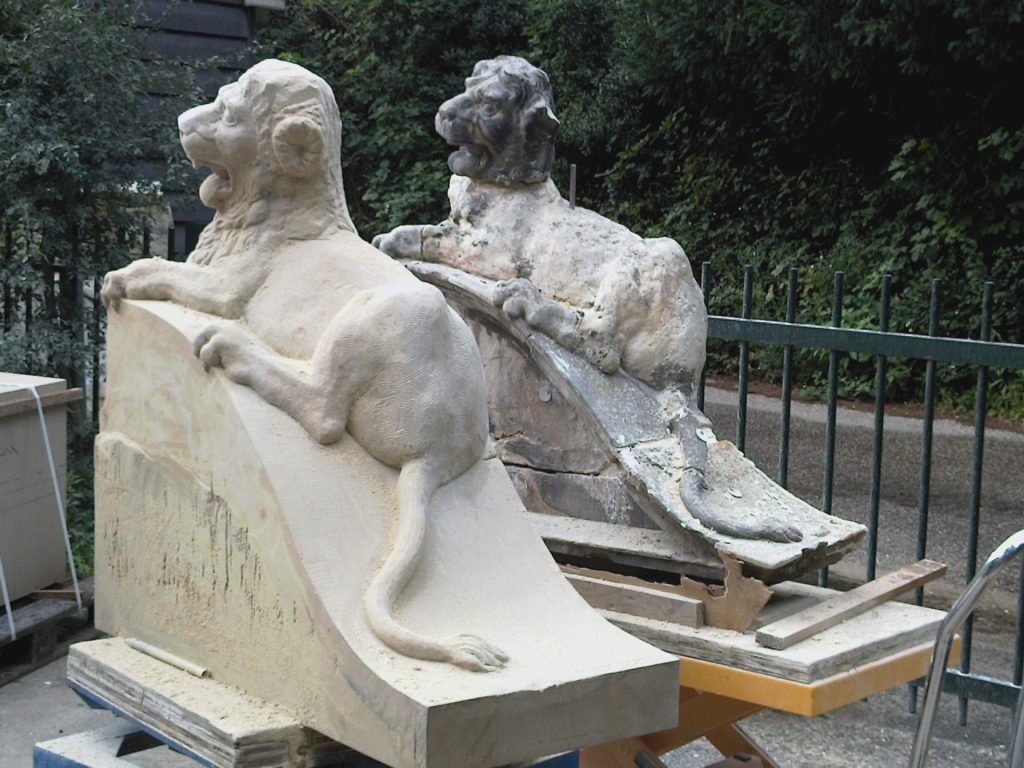
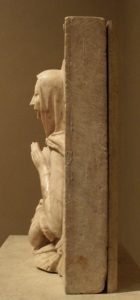
A spatial sculpture is tangible, has a certain dimension, and especially can been seen and touched from all sides. A good piece of sculpture therefore preferably has something interesting to offer on all sides. A relief is situated halfway between these two: it could depict clouds, but a reflection becomes a bit more difficult, and lighting is even trickier, but on the other hand it is tangible, and can sometimes almost be viewed in the round…. but not always!
The difference between high relief and bas-relief
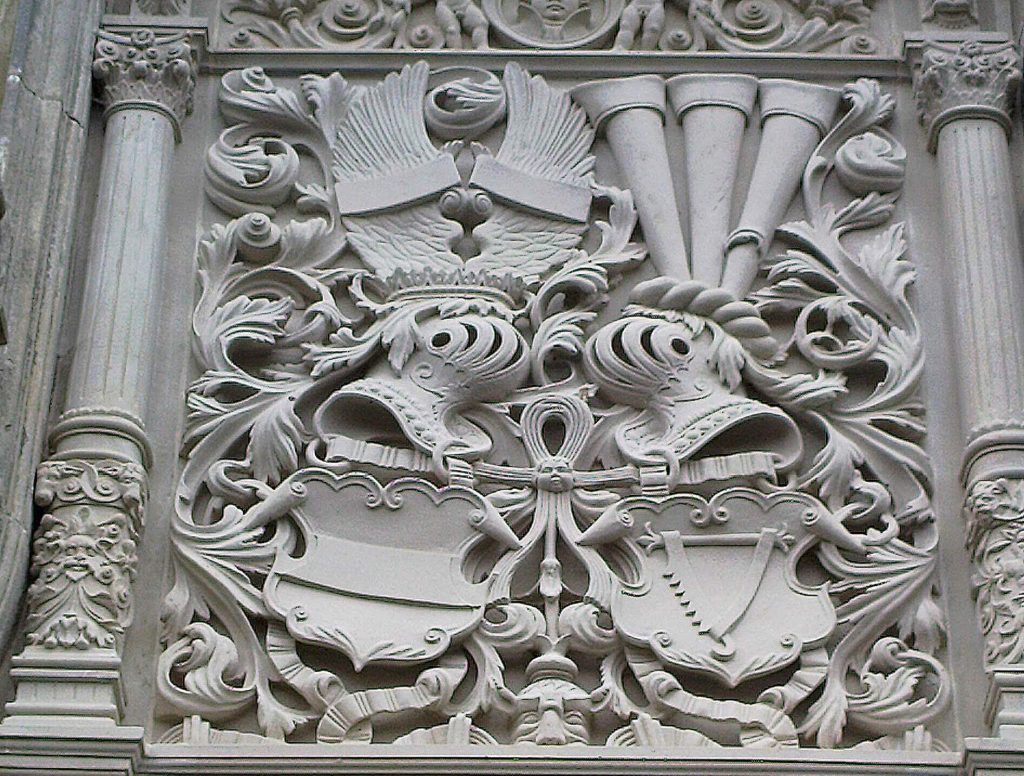
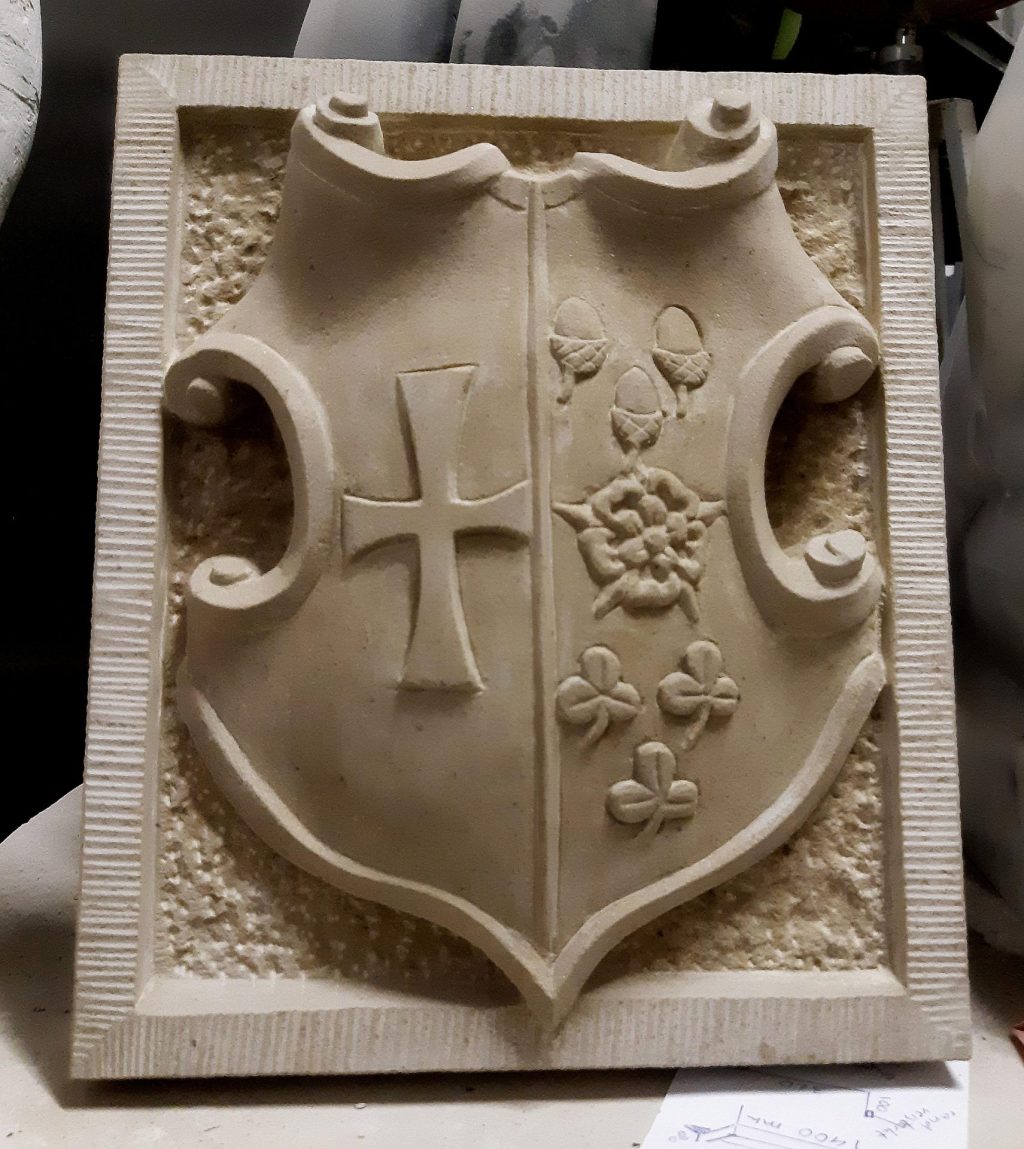
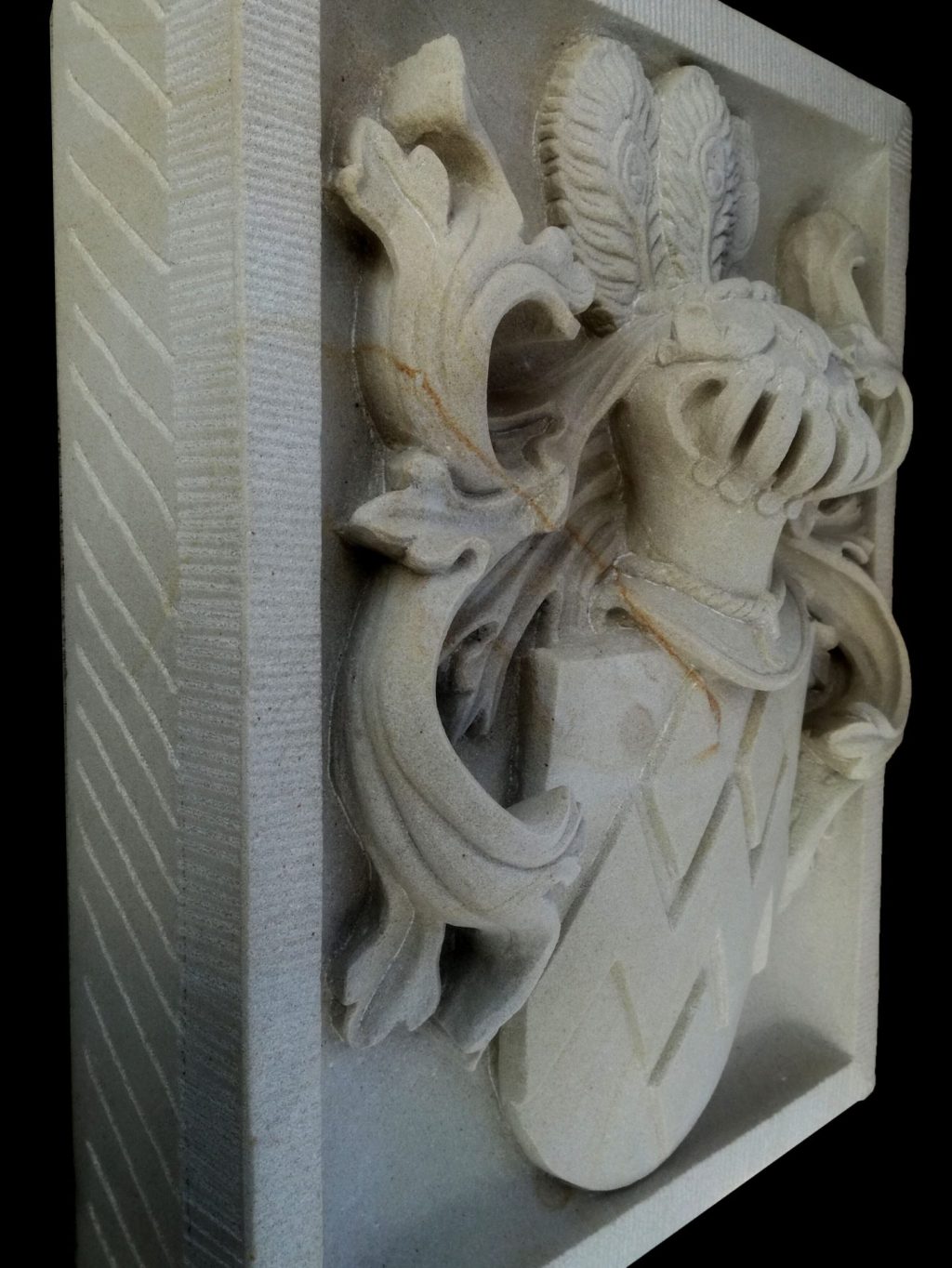
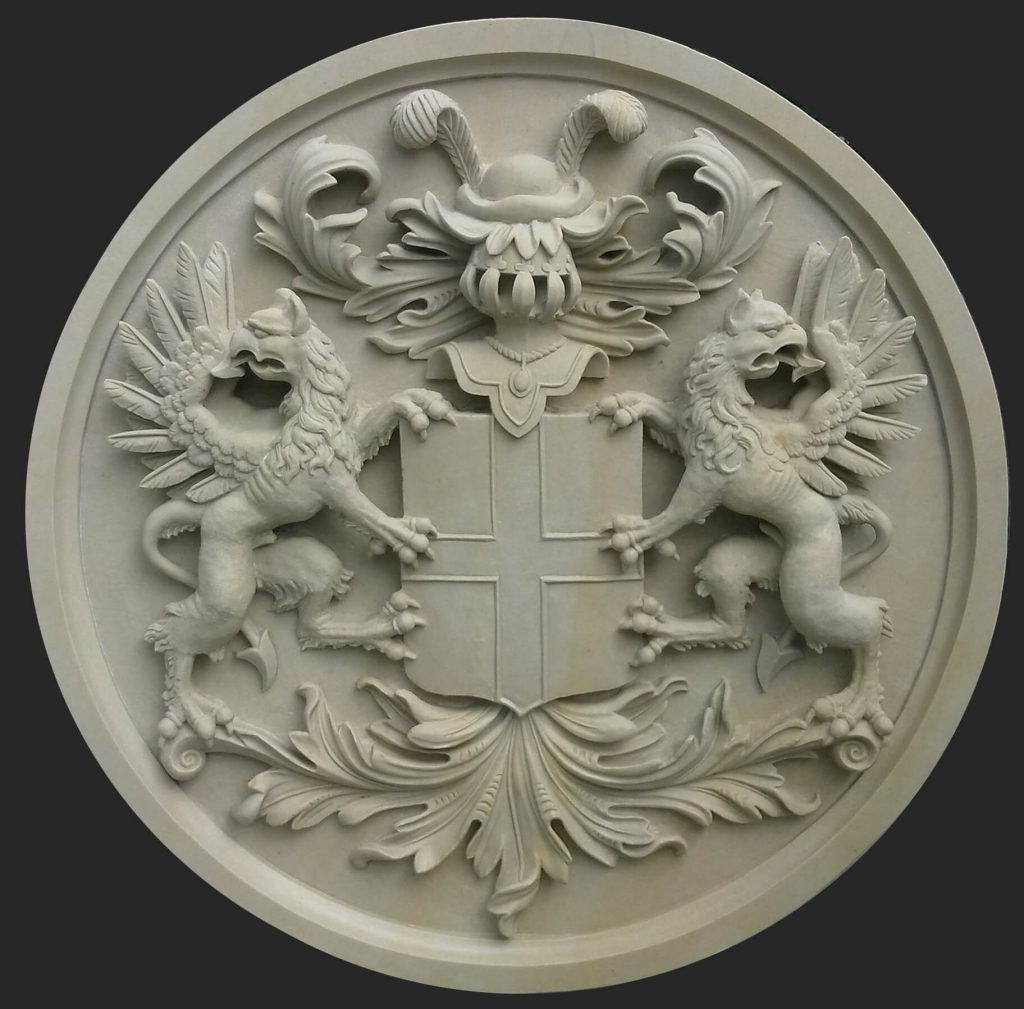
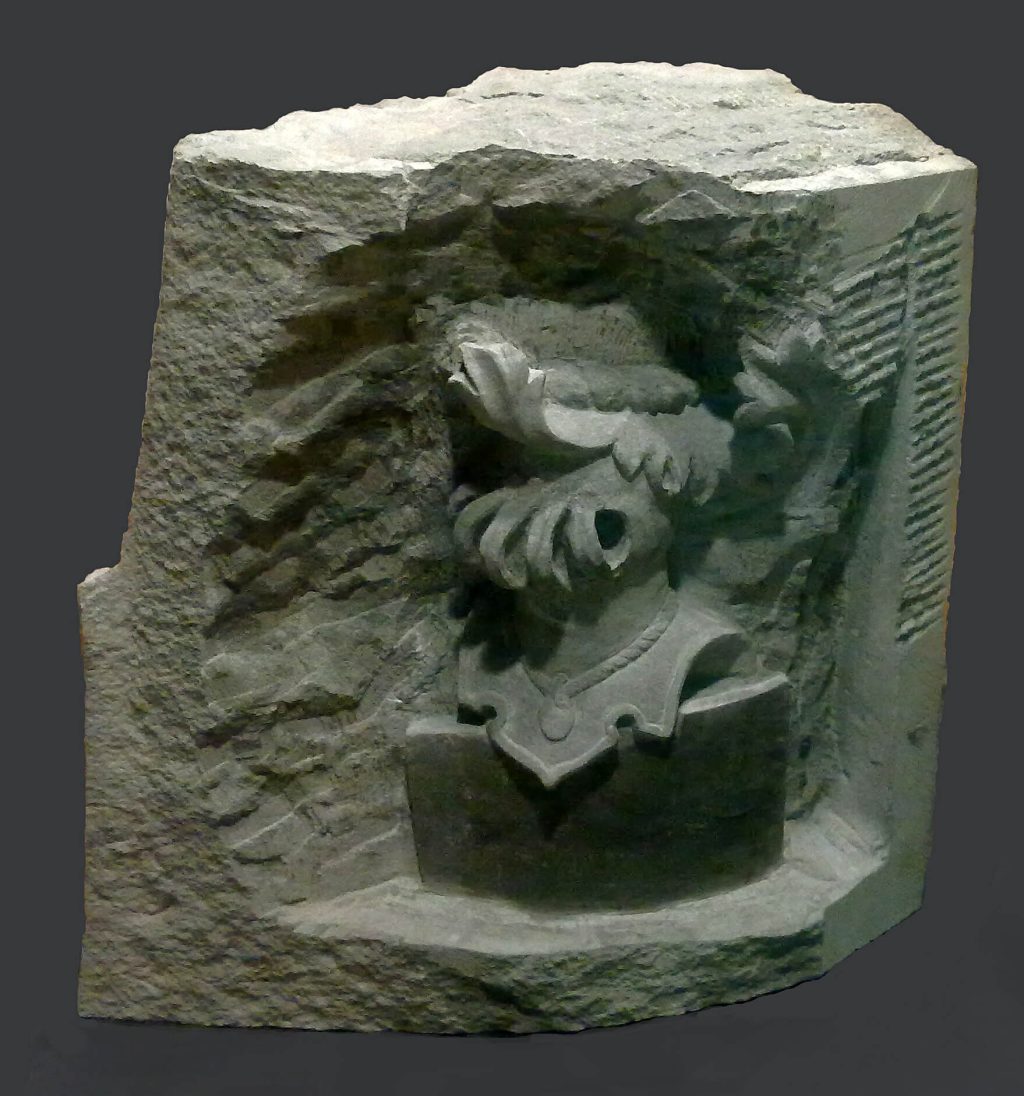
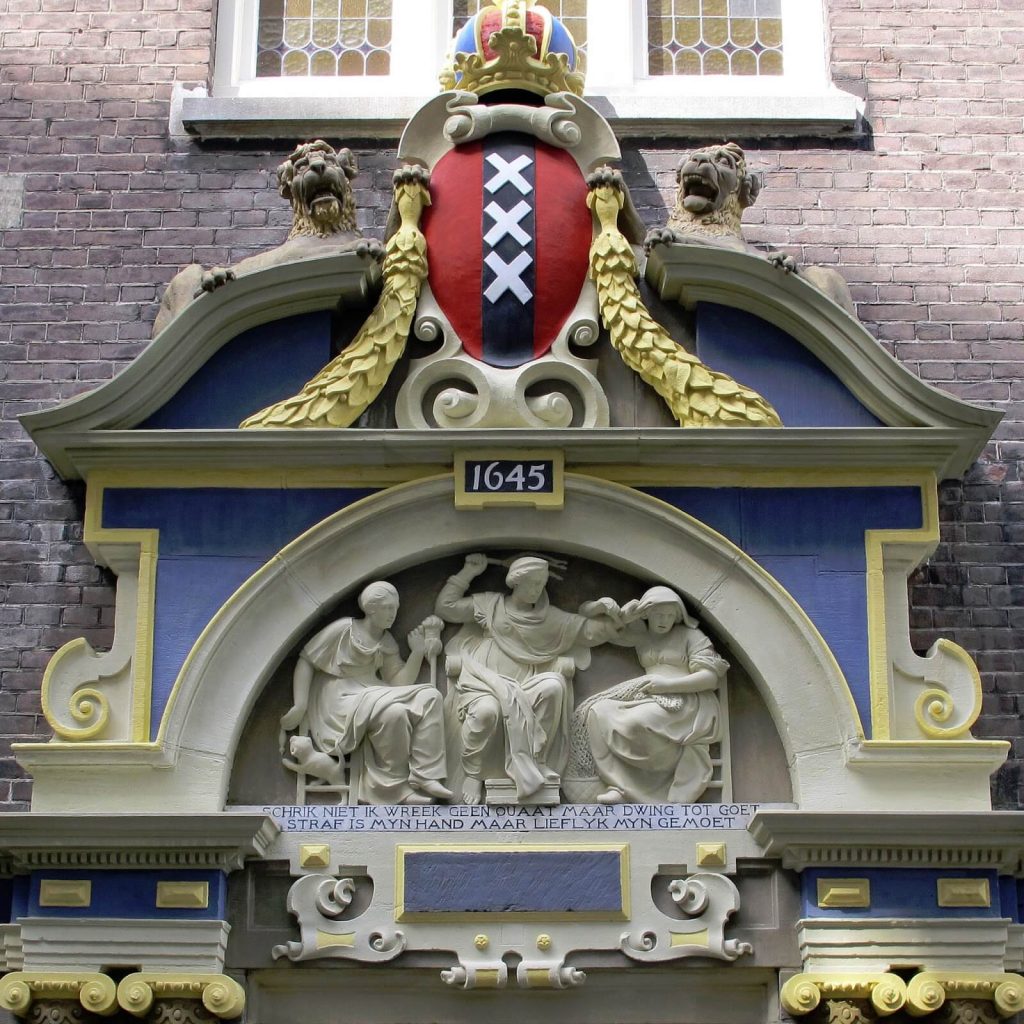
A distinction is often made between high relief and bas-relief. The first is almost as if a complete spatial sculpture is placed against a flat background, and the second is more of a flat depiction that is carved shallowly out of the material. Actually, the distinction between these two terms are not very important to know, except that a relief can be worked out very flat, or very spatial. Personally, I find a relief with a lot of differences in depth of carving the most interesting, but of course that type will also be more expensive, because it takes a little bit more material and a lot more work.
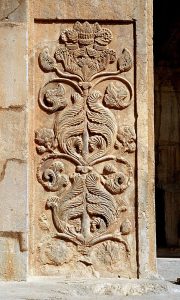
A coat of arms in stone made by a sculptor
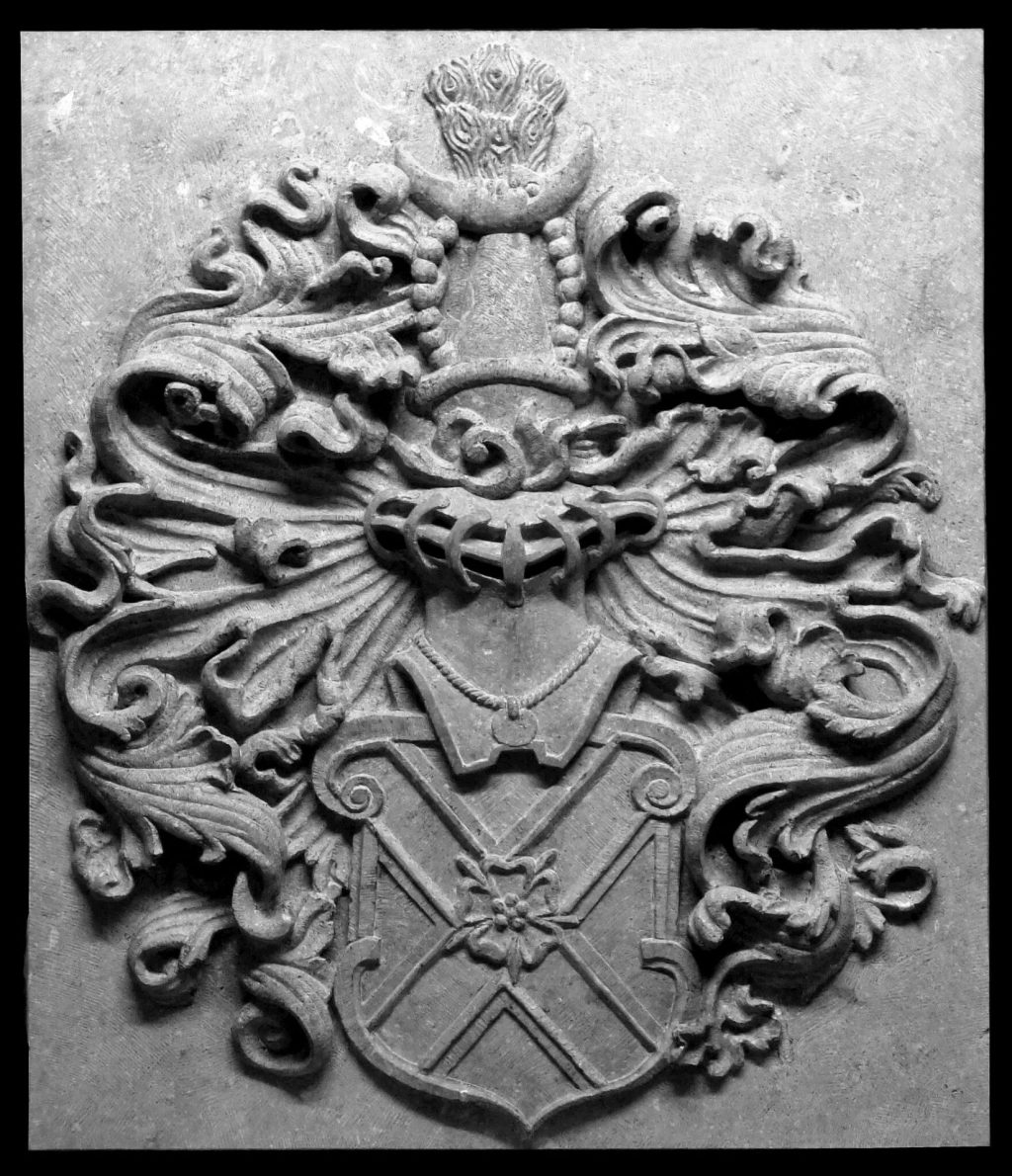
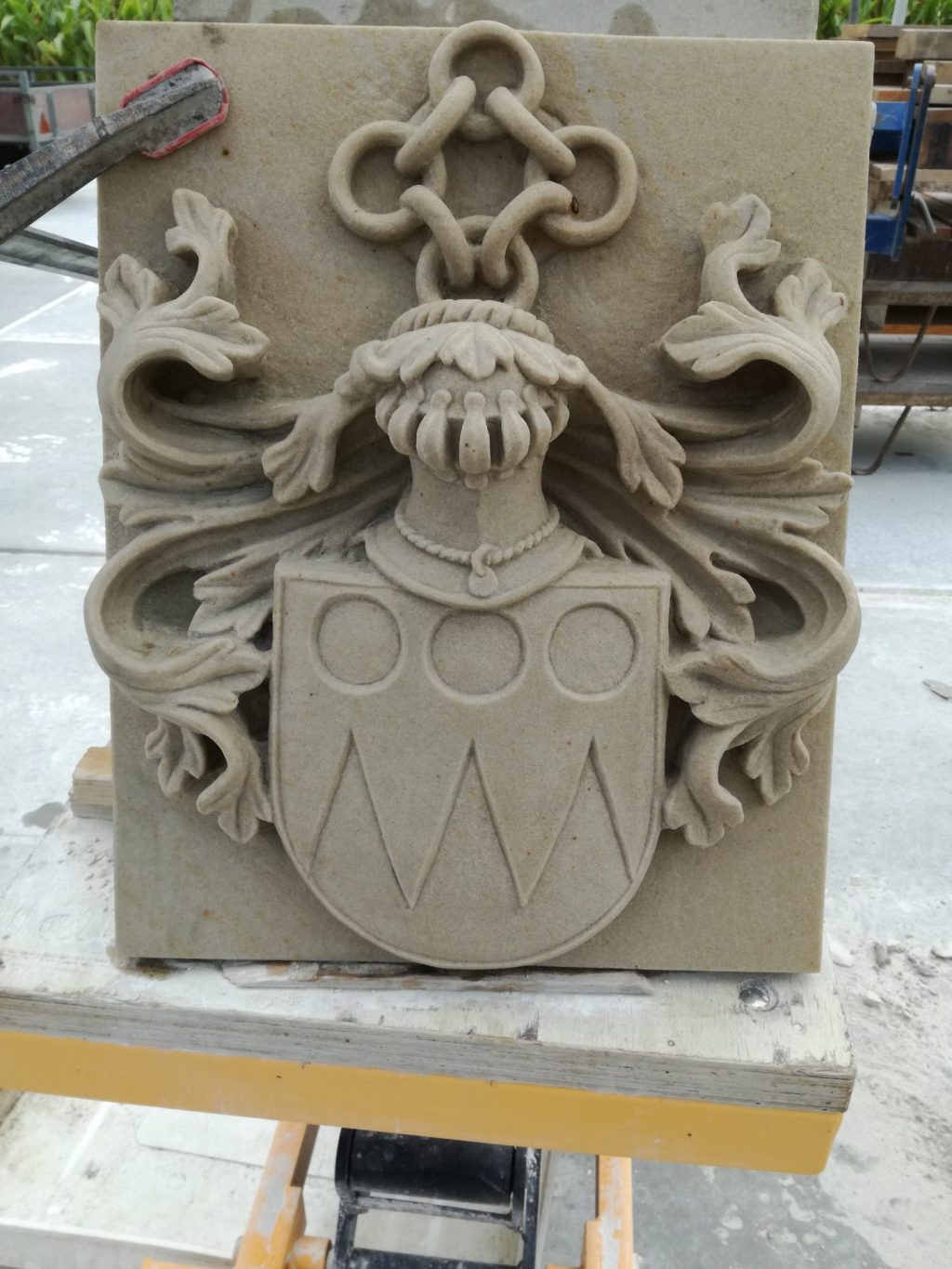
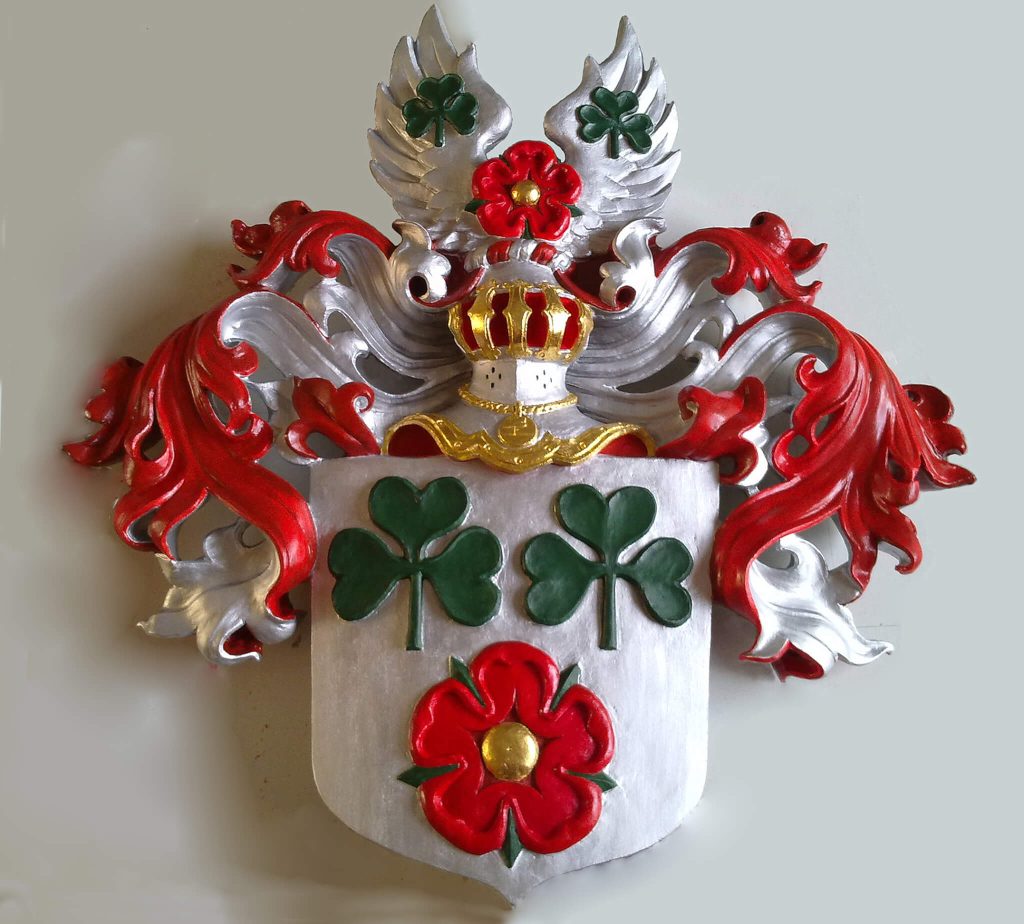
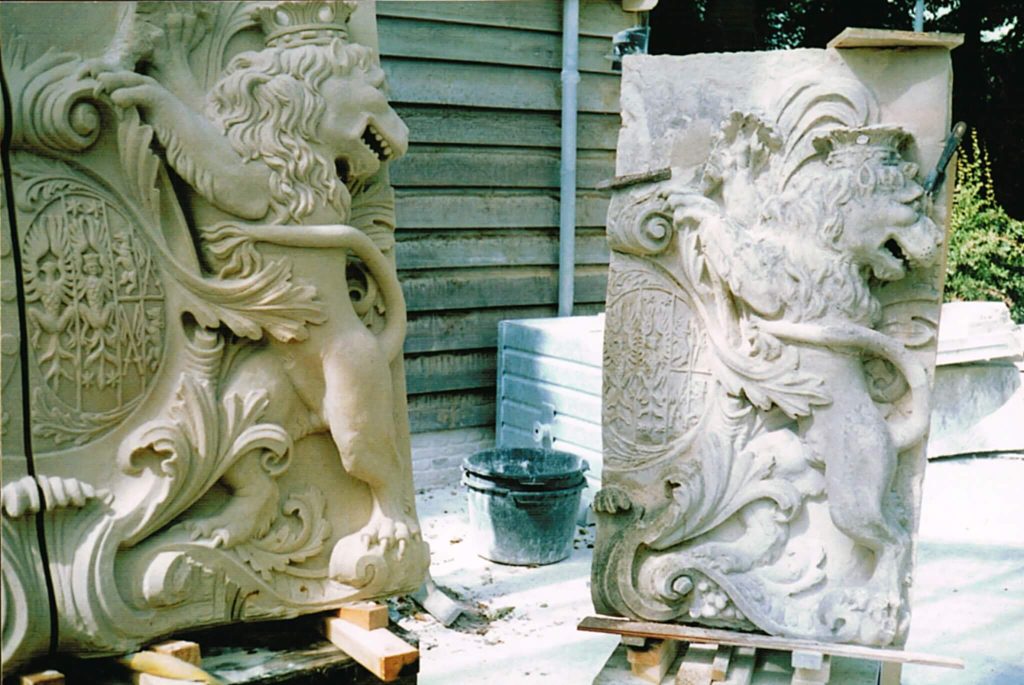
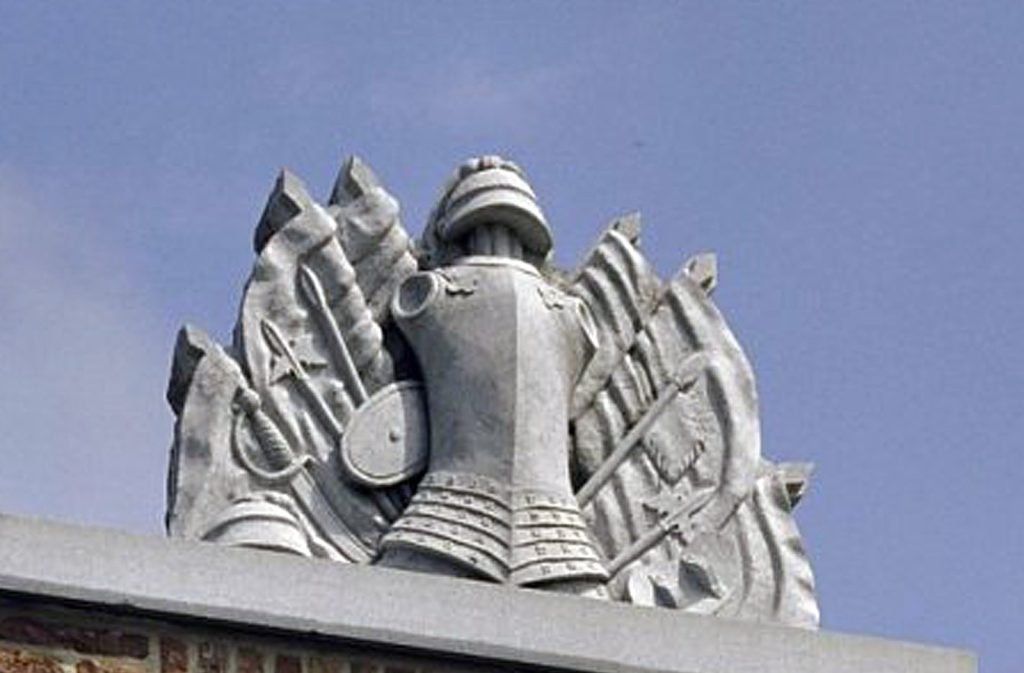
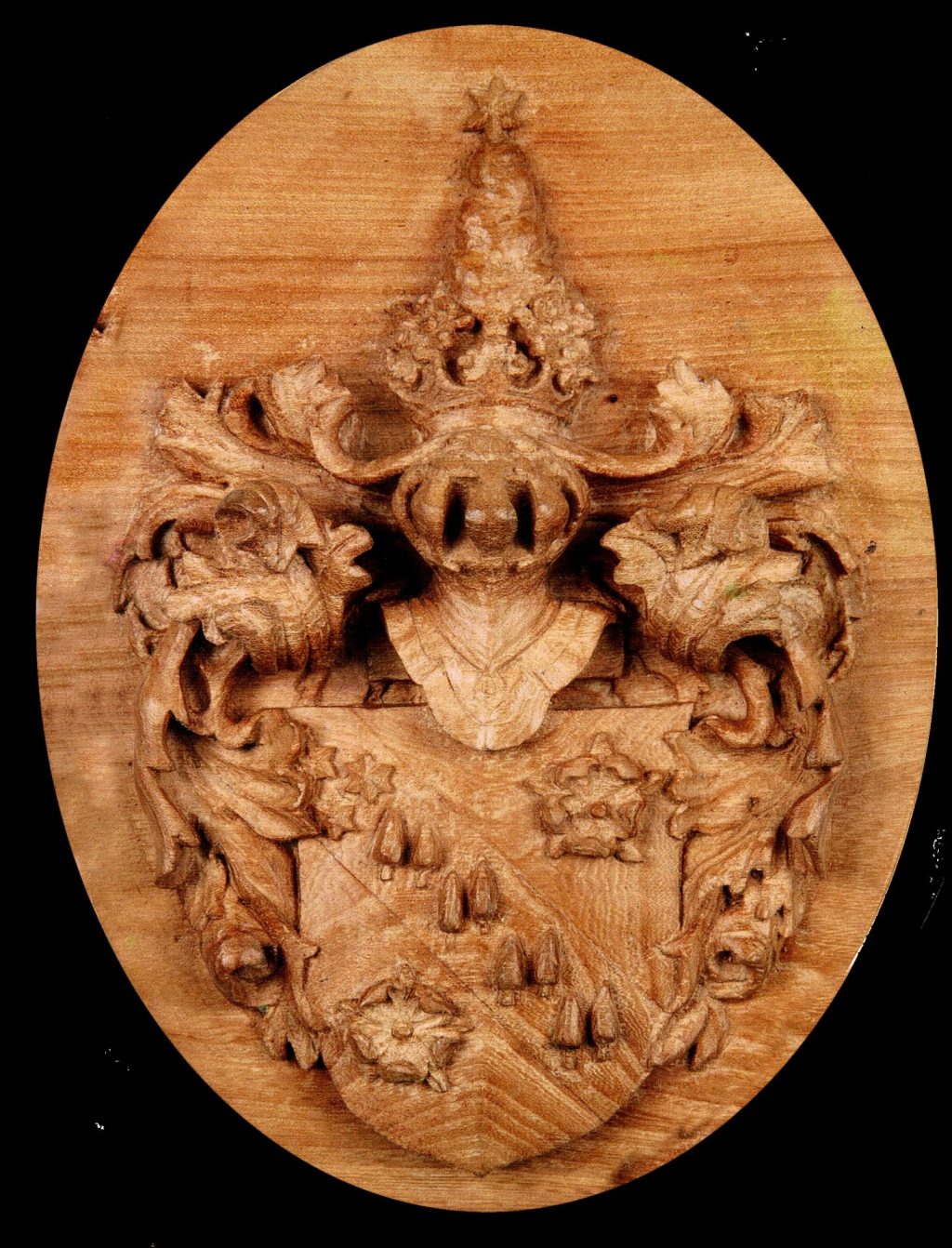
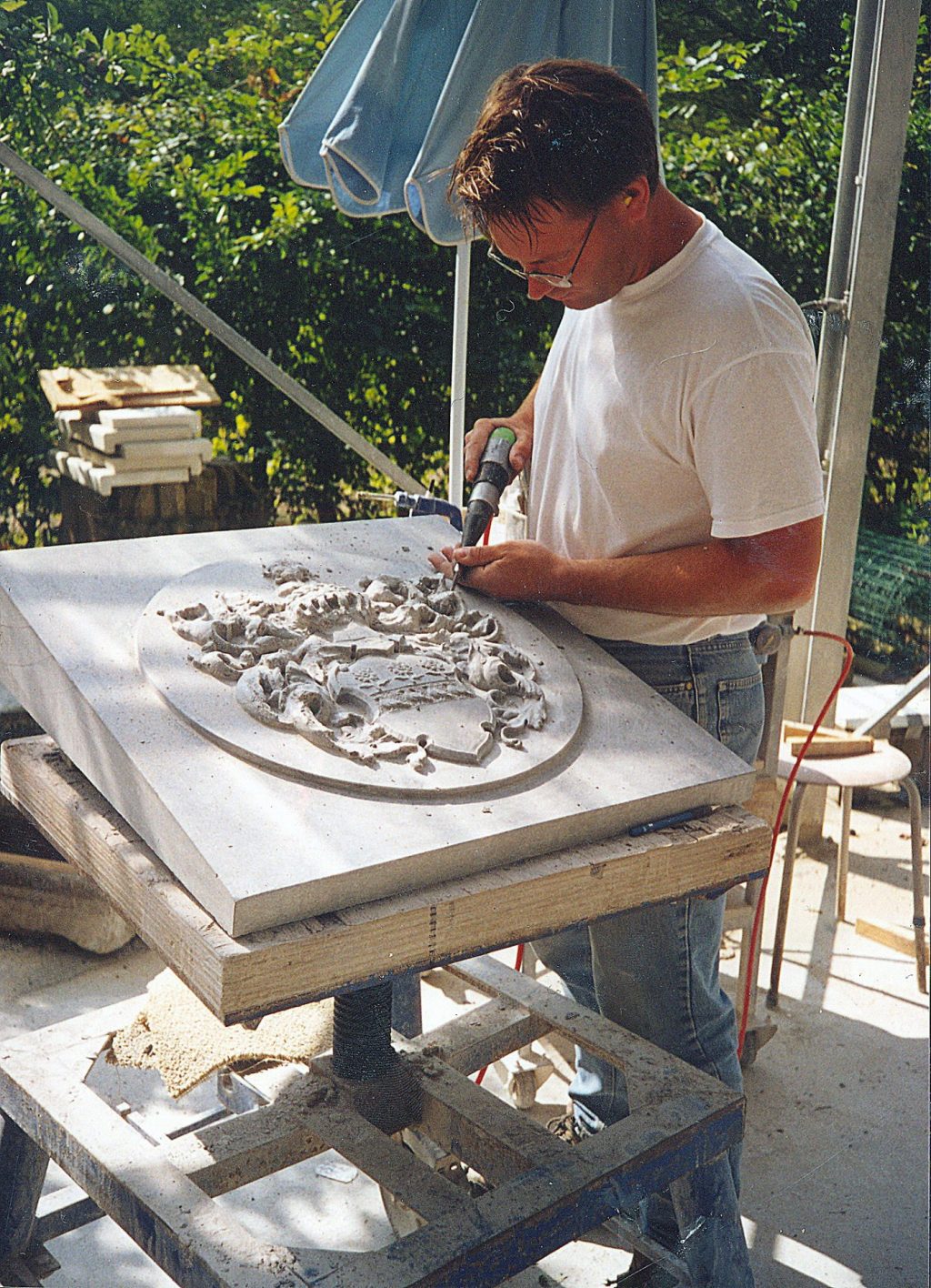
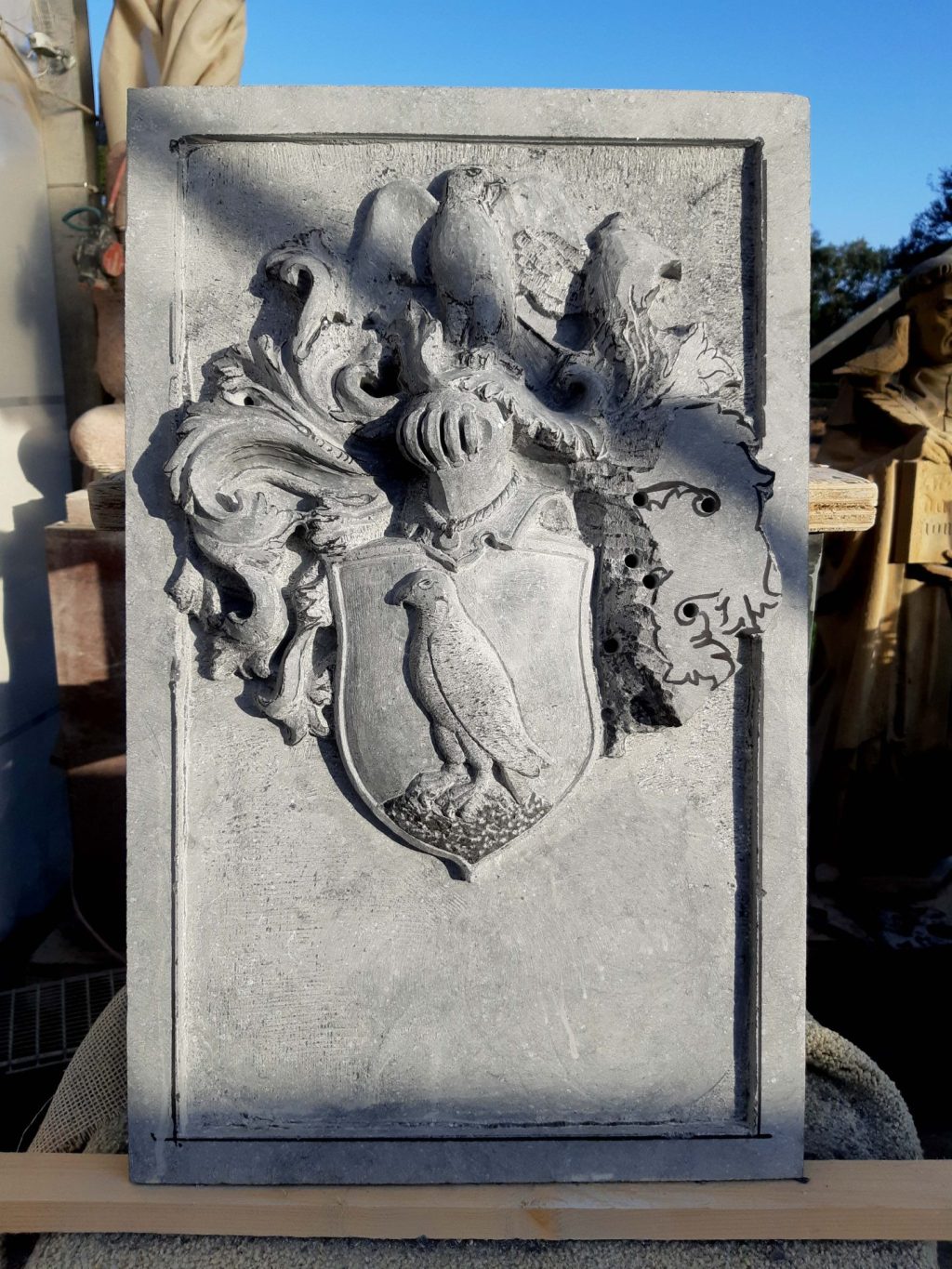
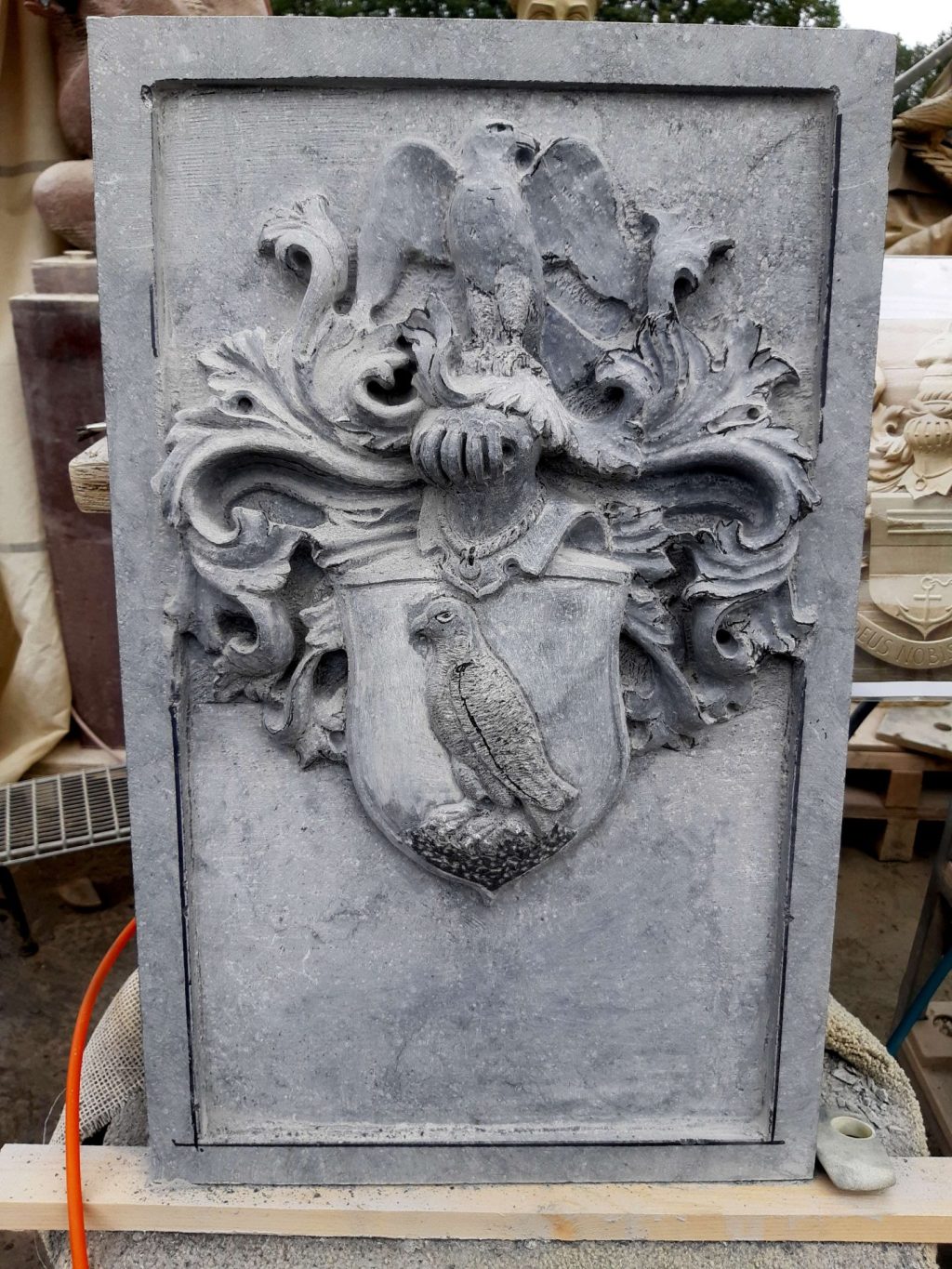
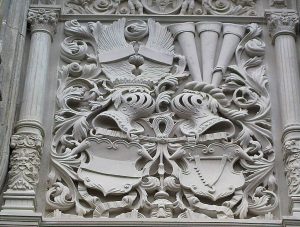
That spatial thinking comes natural to a sculptor. As a sculptor, I always look for the expression and movement in the picture, and I try to bring some tension and liveliness to it. That's why I often tend to choose for the more voluminous shapes. I could also work out the picture a bit more shallow and then all lines are neatly carved, but it lacks the movement in the mantling and the rounded shapes of the helmet and shield.
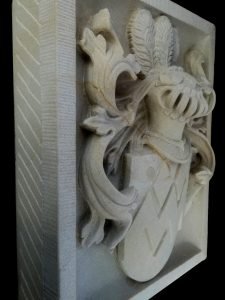
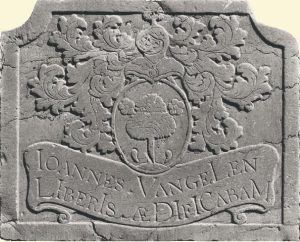

Therefore, the costs will be higher

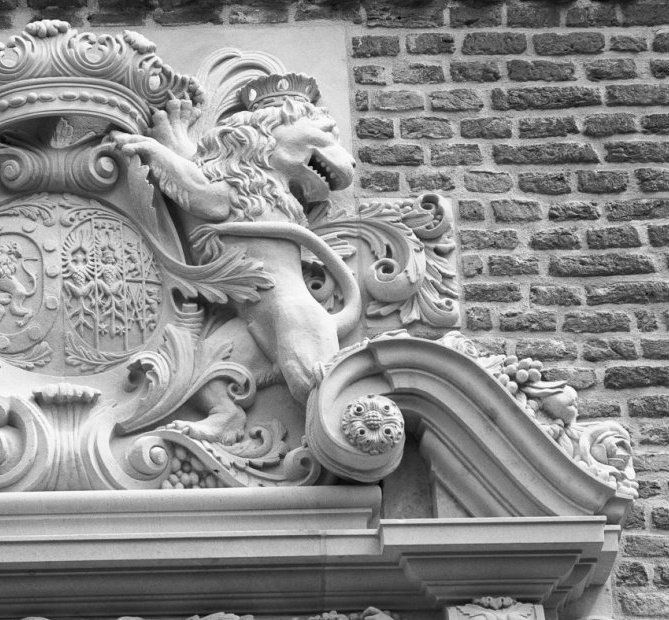
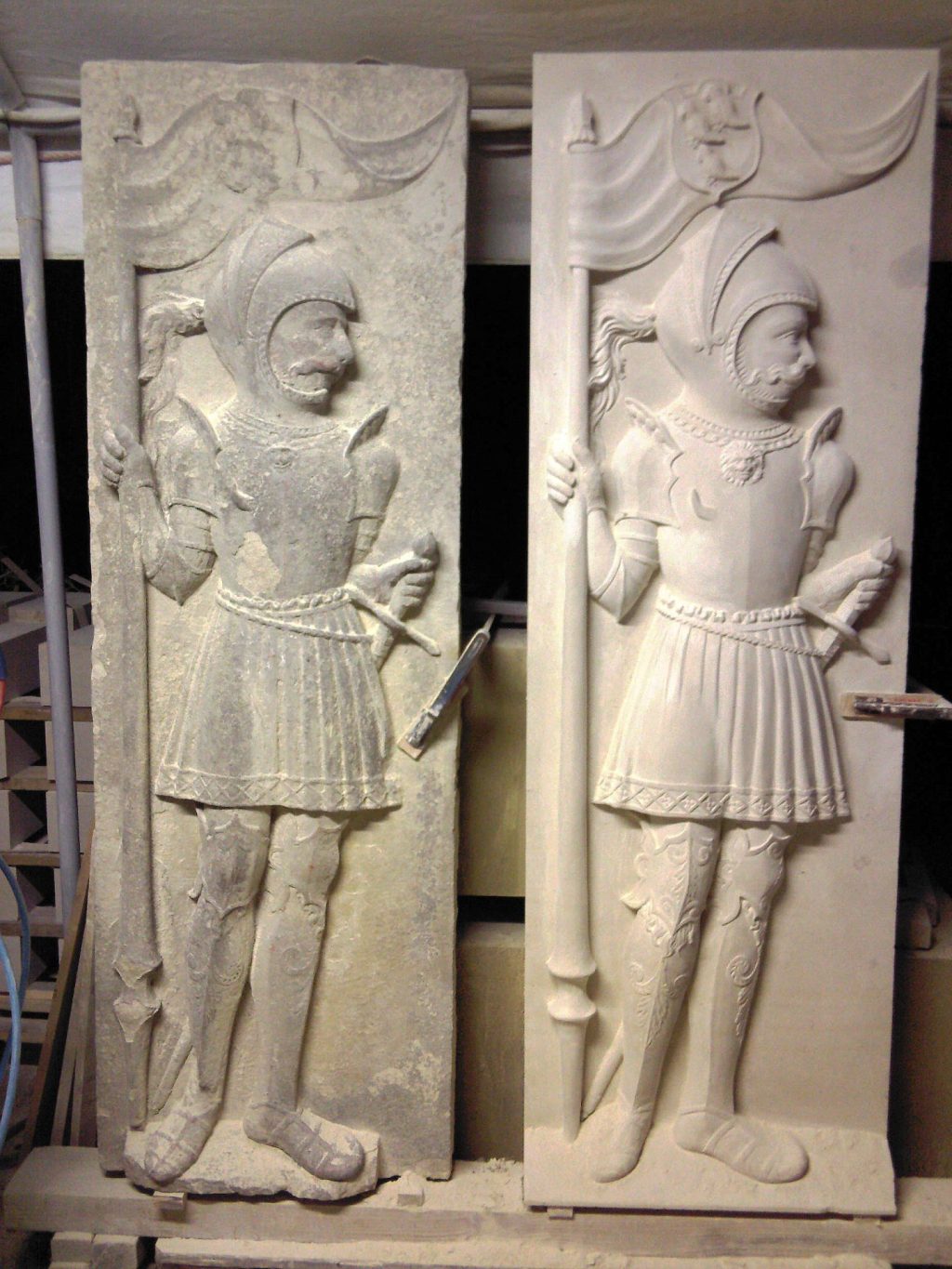
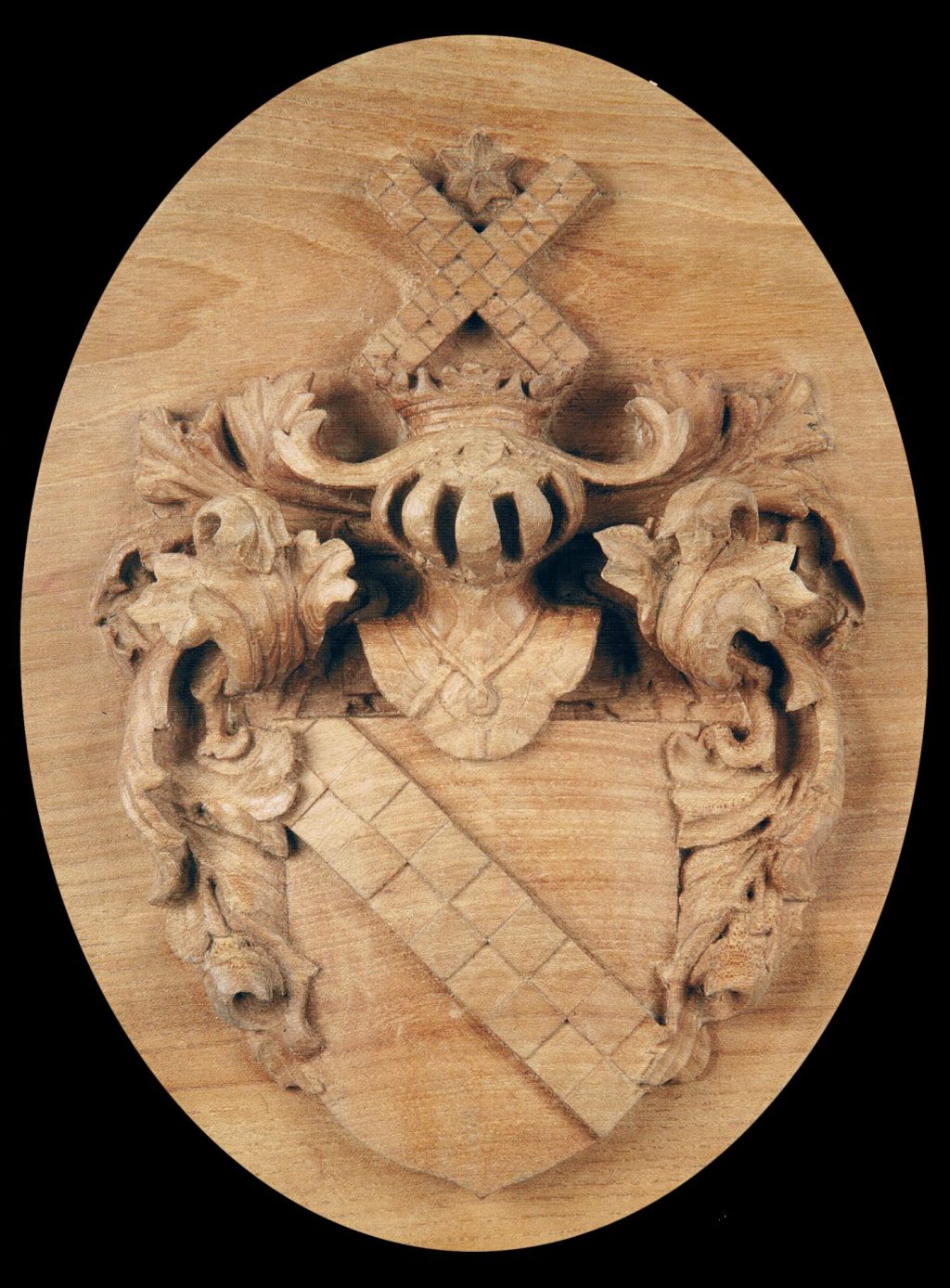
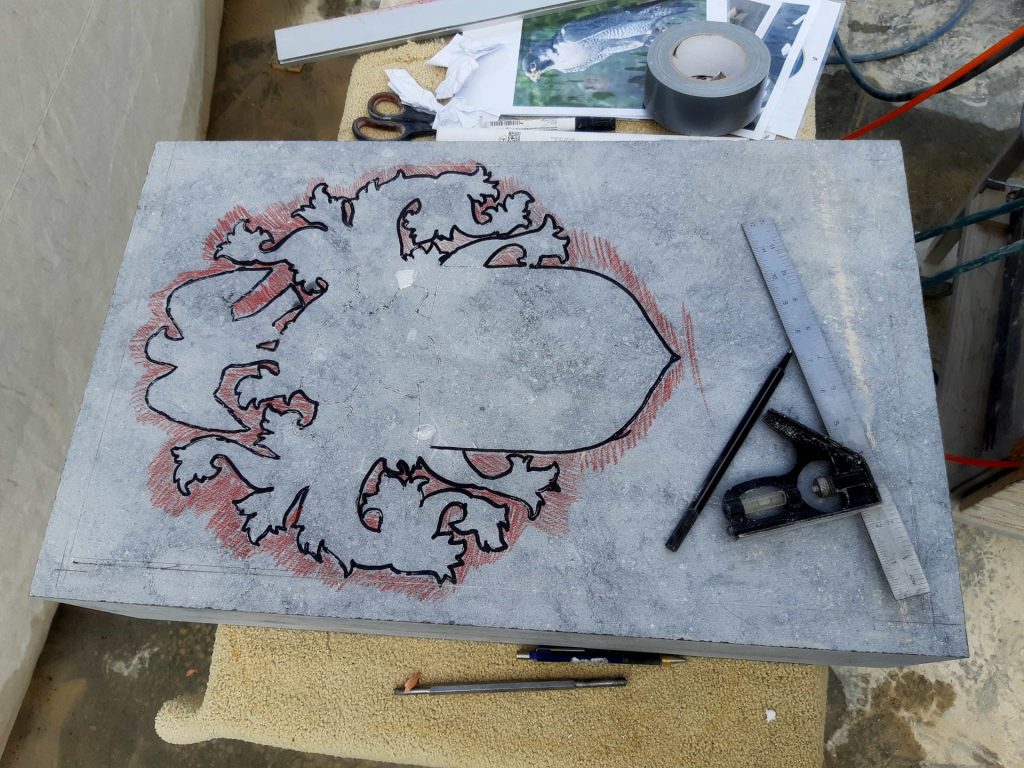
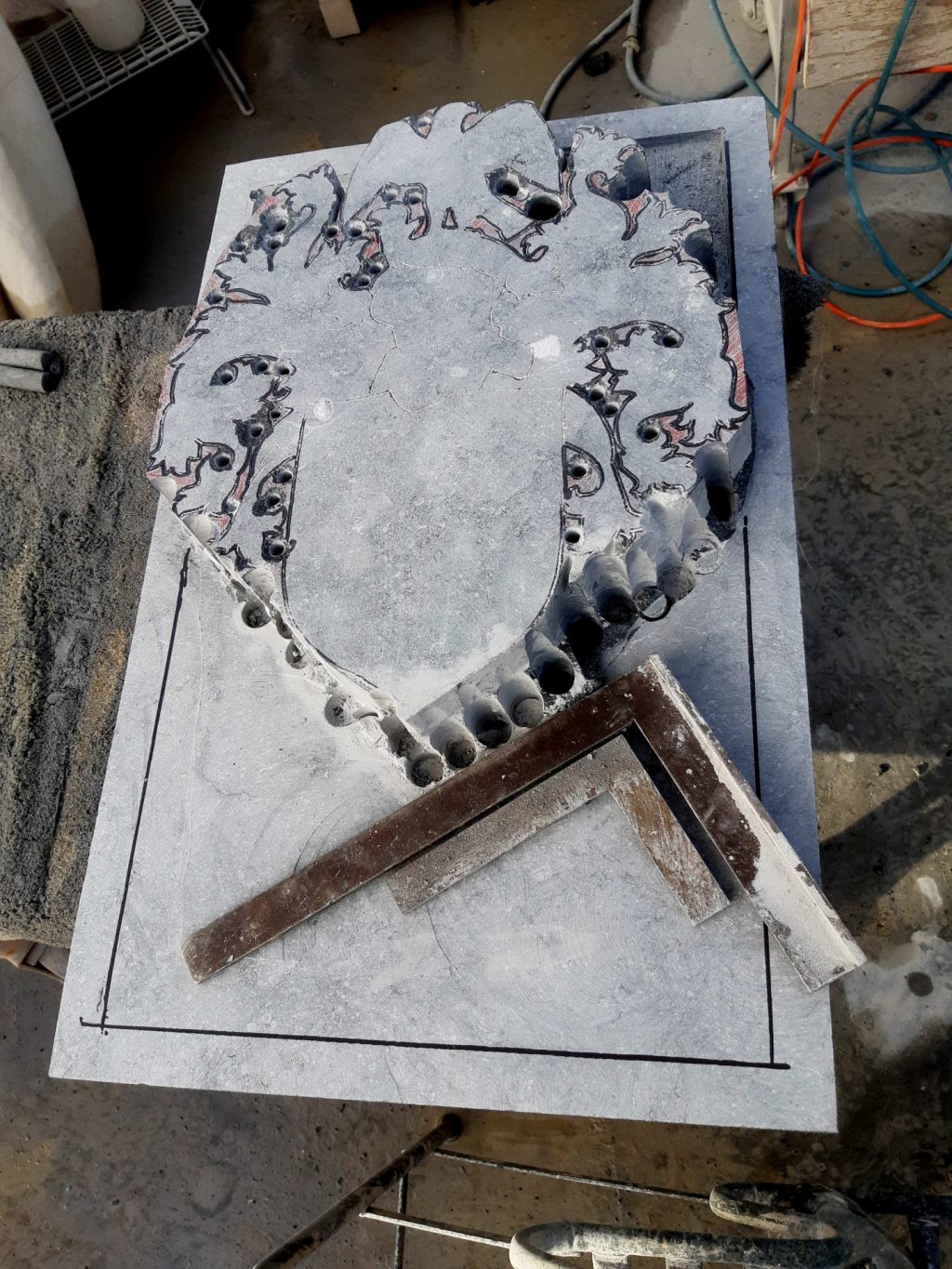
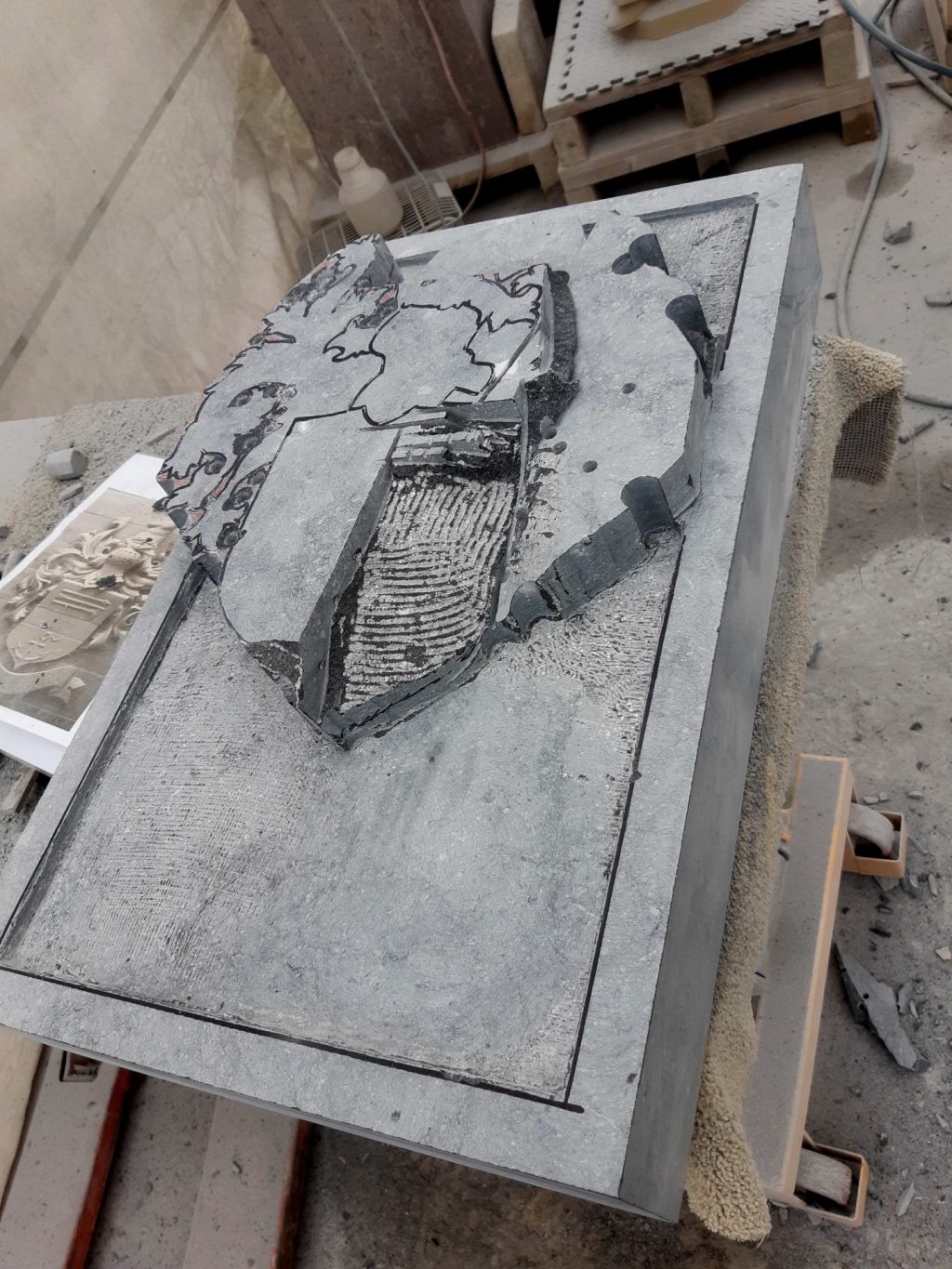
So when I compare the two images above, the difference is clear to see. One takes a few days to make, and the other takes a few weeks. That piece of stone will not be much more expensive, that stays about the same. So it will be just what you want: if you want a simple flat image, then that will have a certain price. If you'd prefer a more voluminous looking carving, then that would have a different price tag to it.
A clear view of my approach to carving a family crest in stone can be found in most blog posts on this topic, but perhaps the next link is clearest in this case: A sandstone coat of arms with deep relief.