• Three flying buttresses finished- a retrospect

    flying buttresses with the apostles and musicians

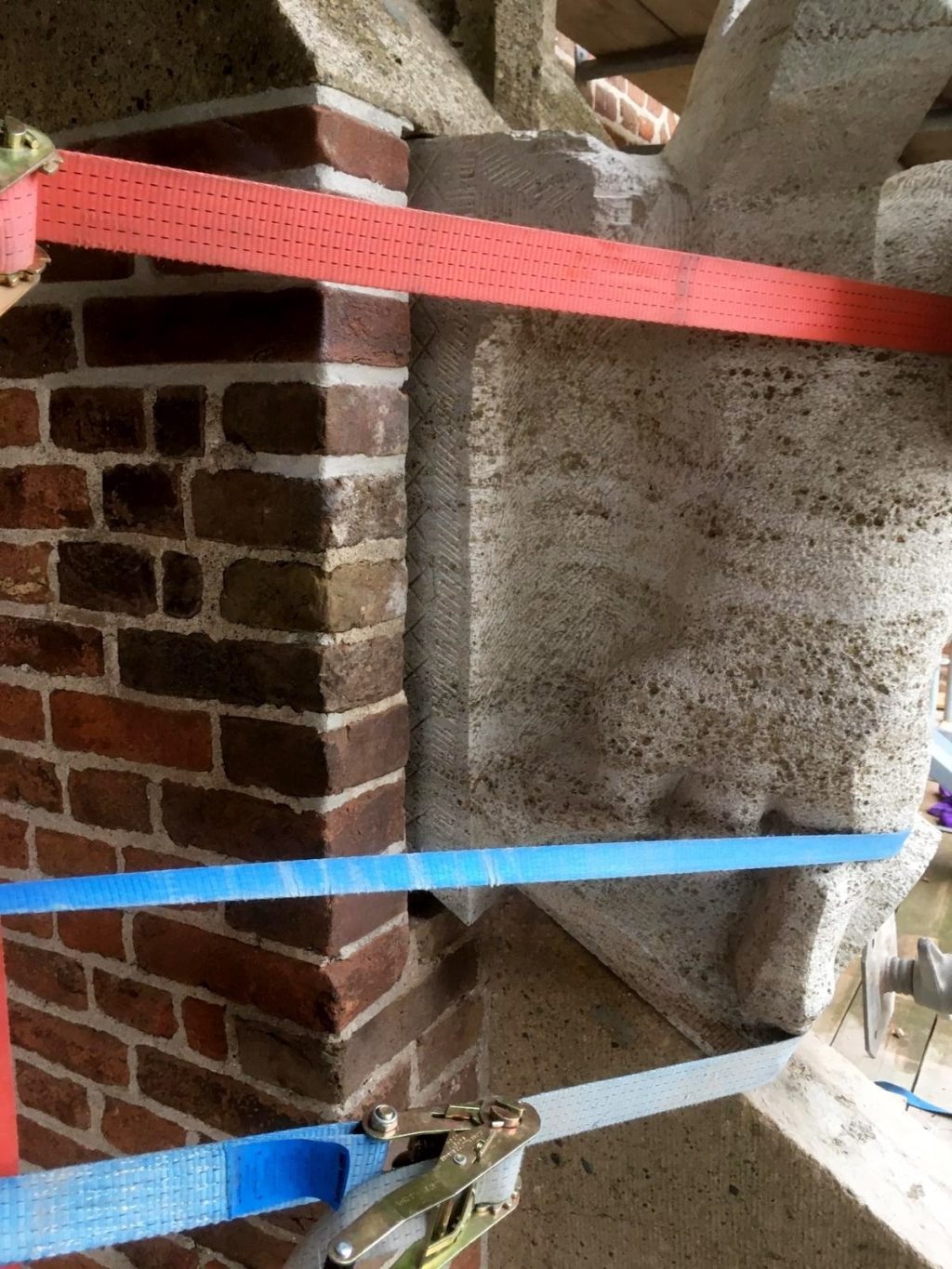
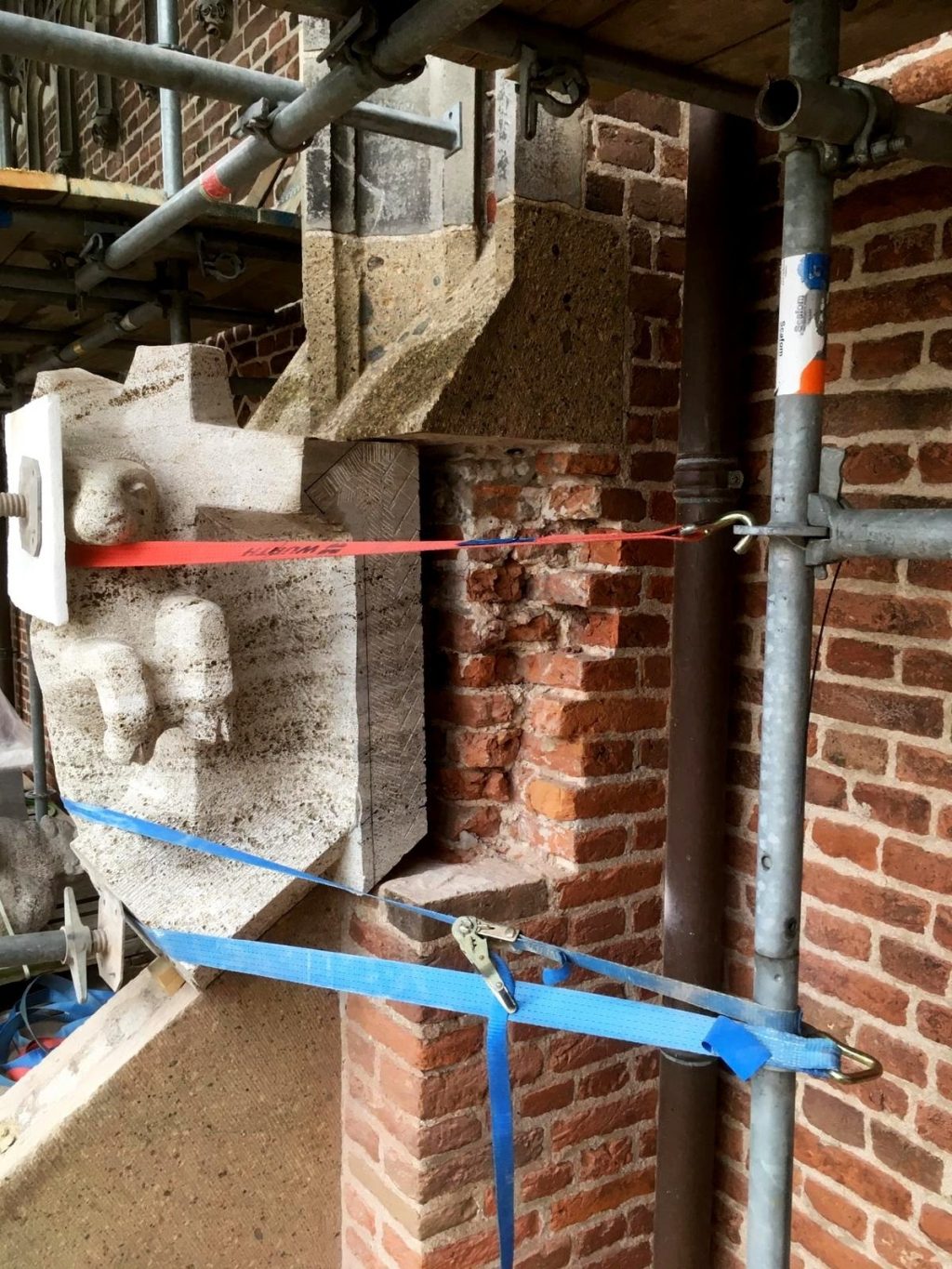
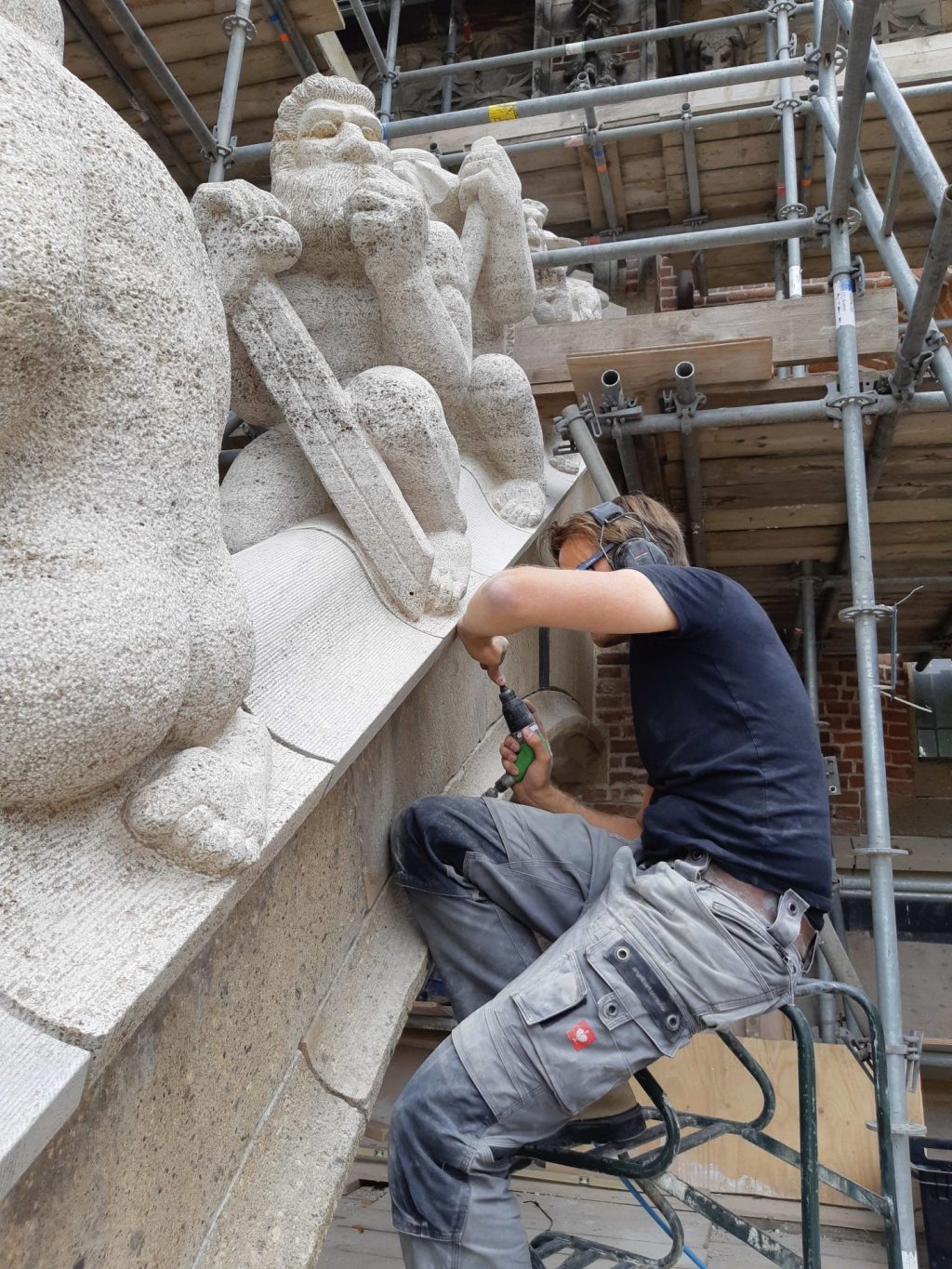
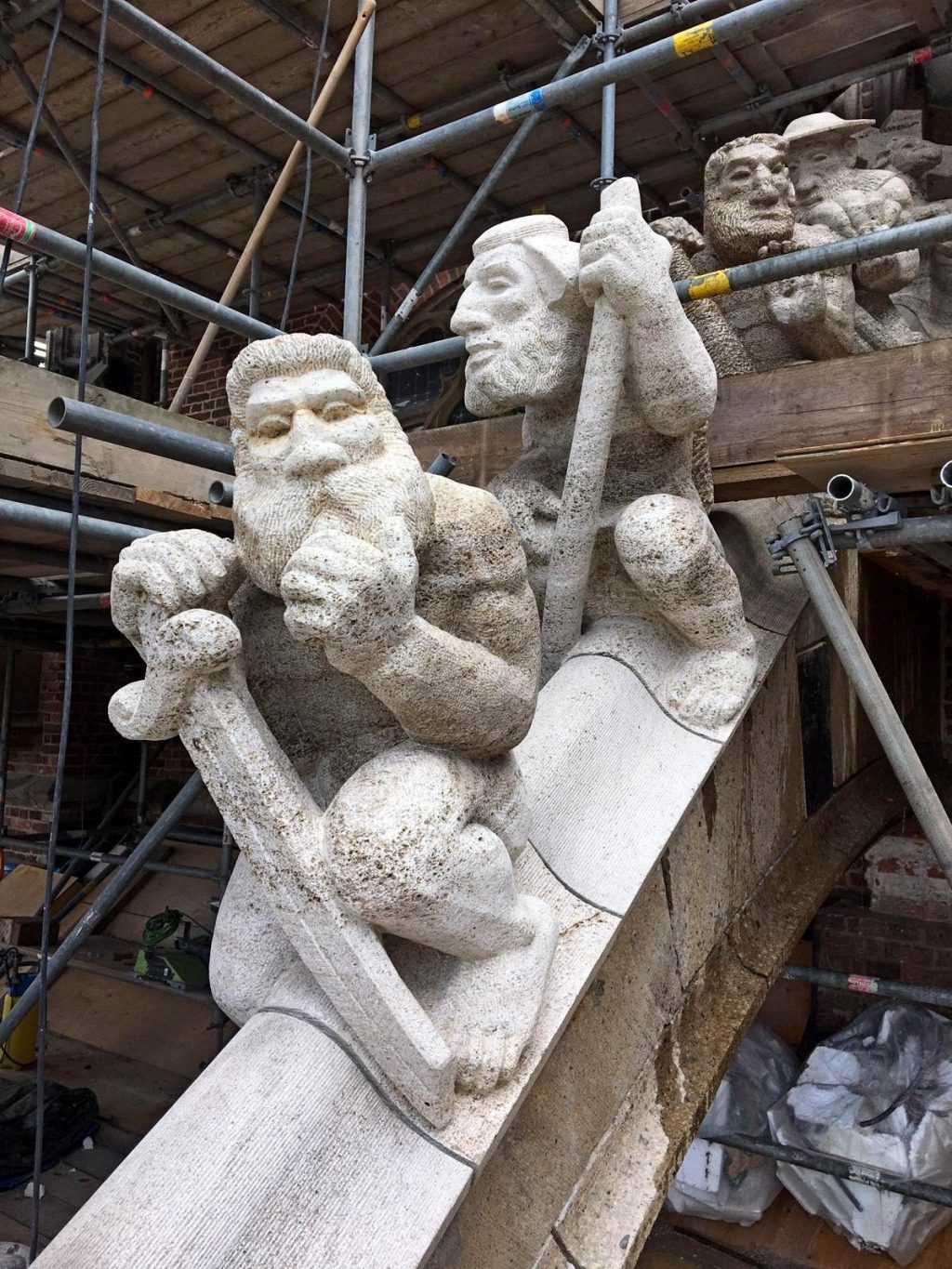
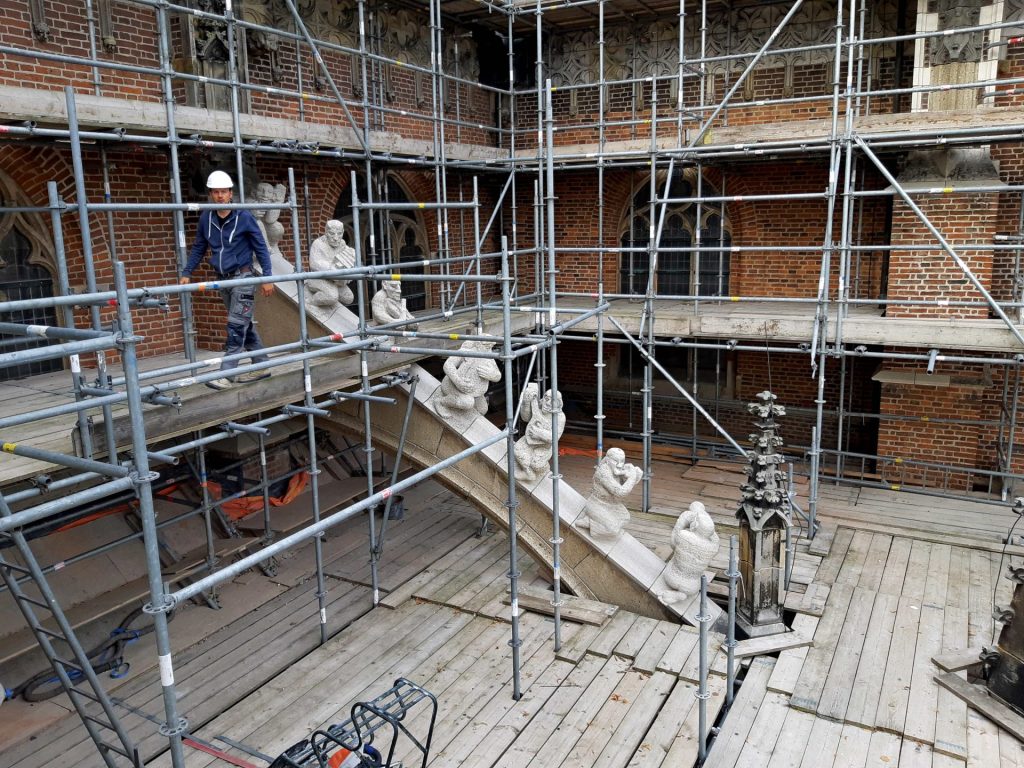
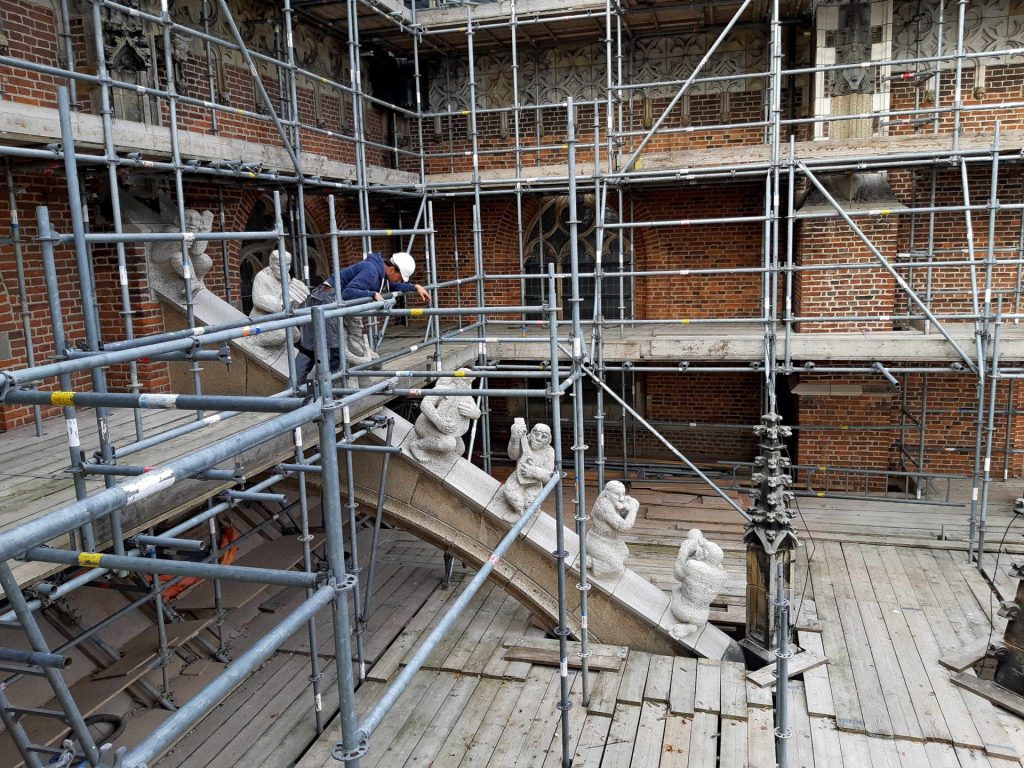
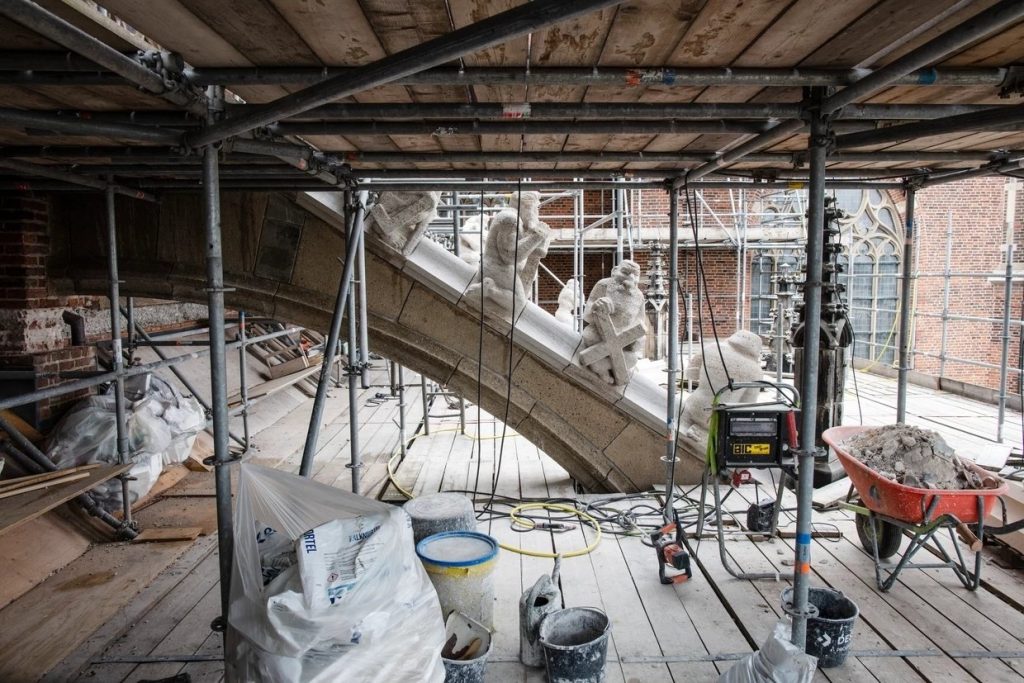
    My colleague Jelle Steendam recently forwarded a number of photos. In the meantime we'd already completed quite a number of flying buttress figurines as well again, and usually we would be going to St. Eusebius's Church in Arnhem (the Netherlands) again to match up the carved pieces on site for a good connection. That work is also called according however, but as this time Stide and Jelle had carved the top two flying buttress statues, they were the ones who needed to adjust the flying buttresses to the church. We had already left some leeway because we knew it wasn't going to fit perfectly, but this time it was quite a lot of work. Yet Jelle still managed to find time to take some nice pictures.

    Seven sins

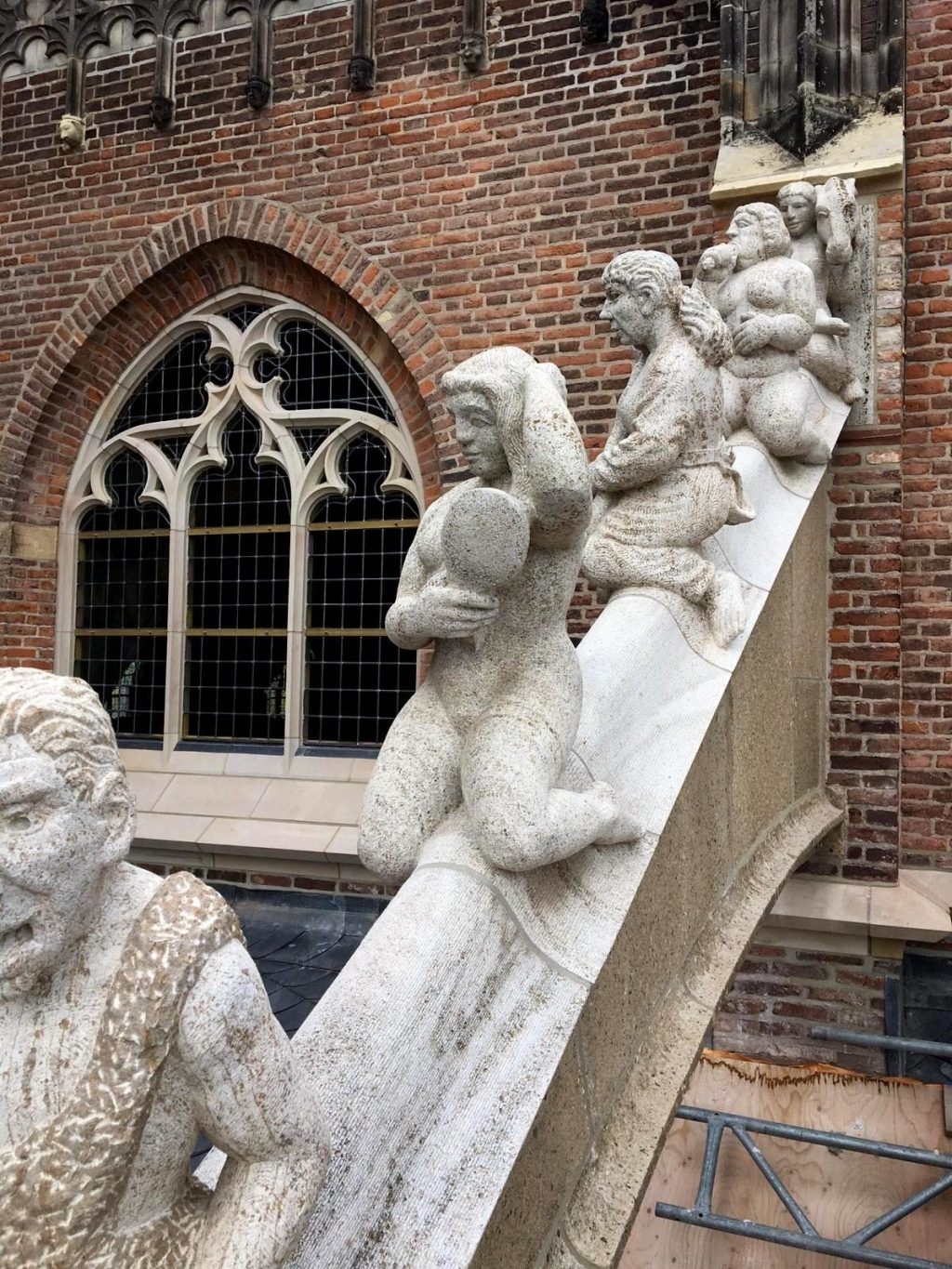
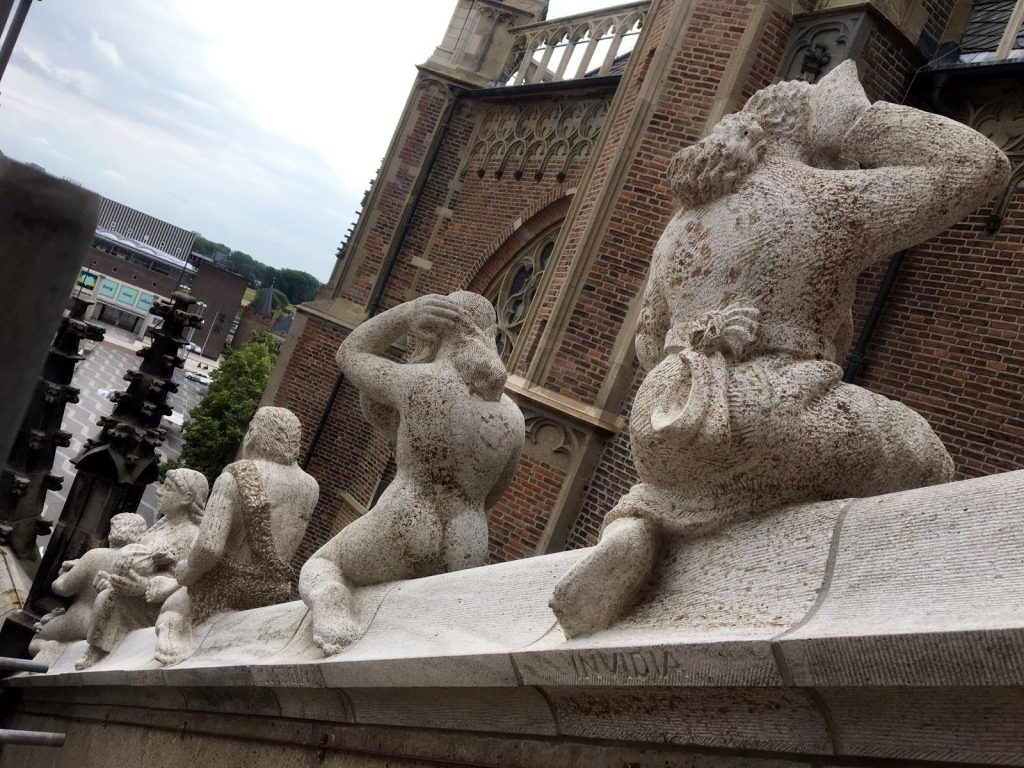
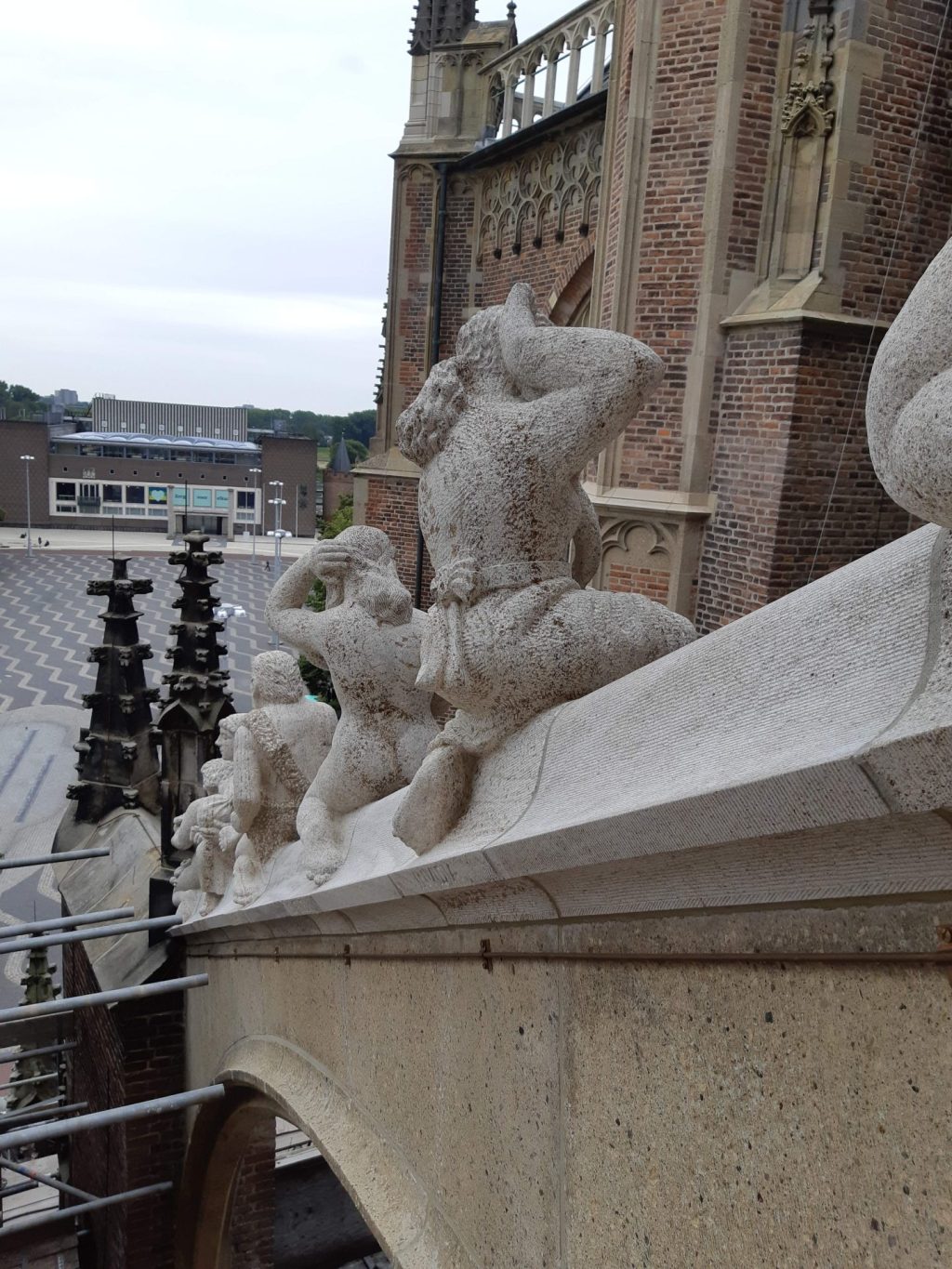
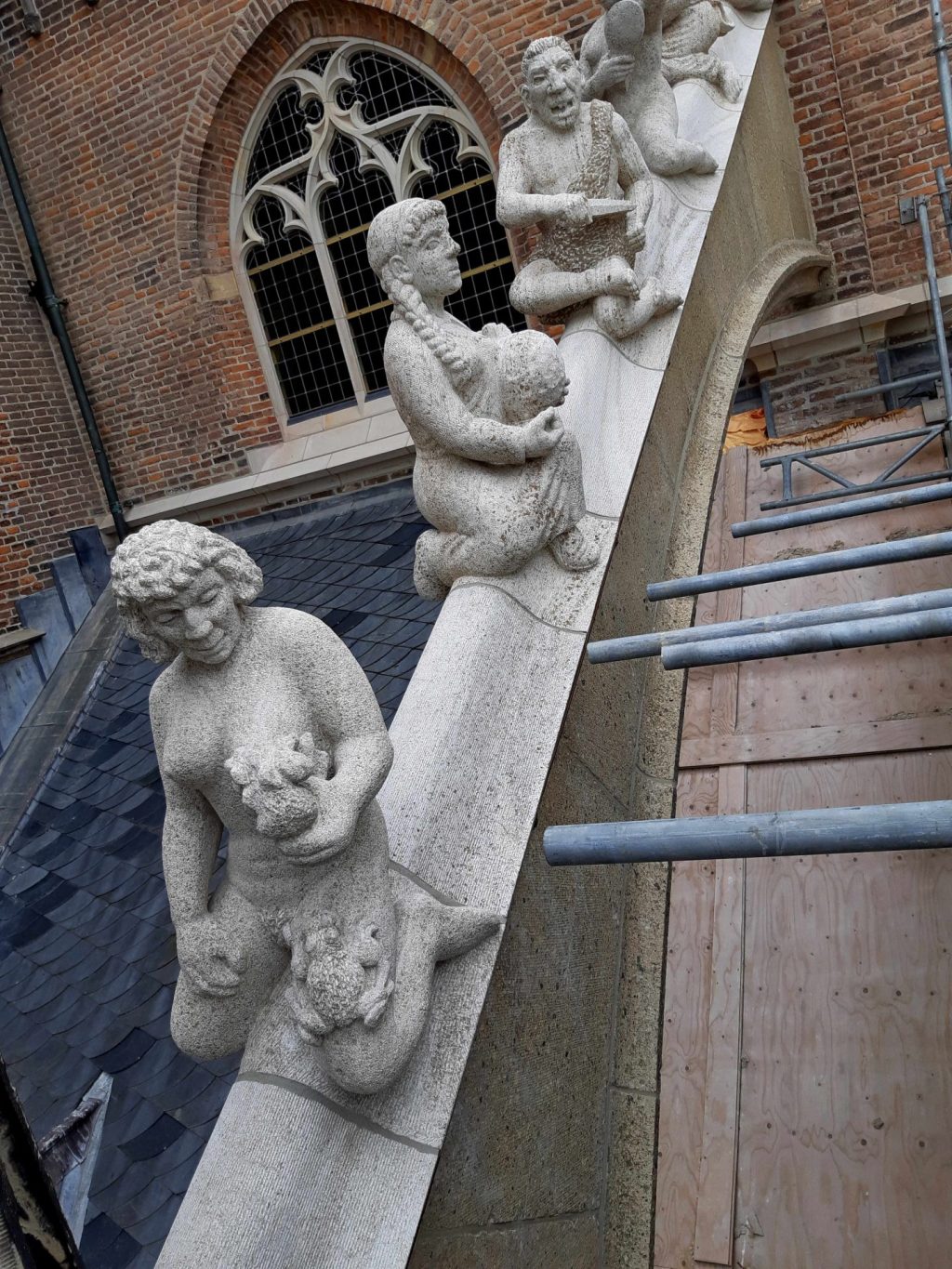
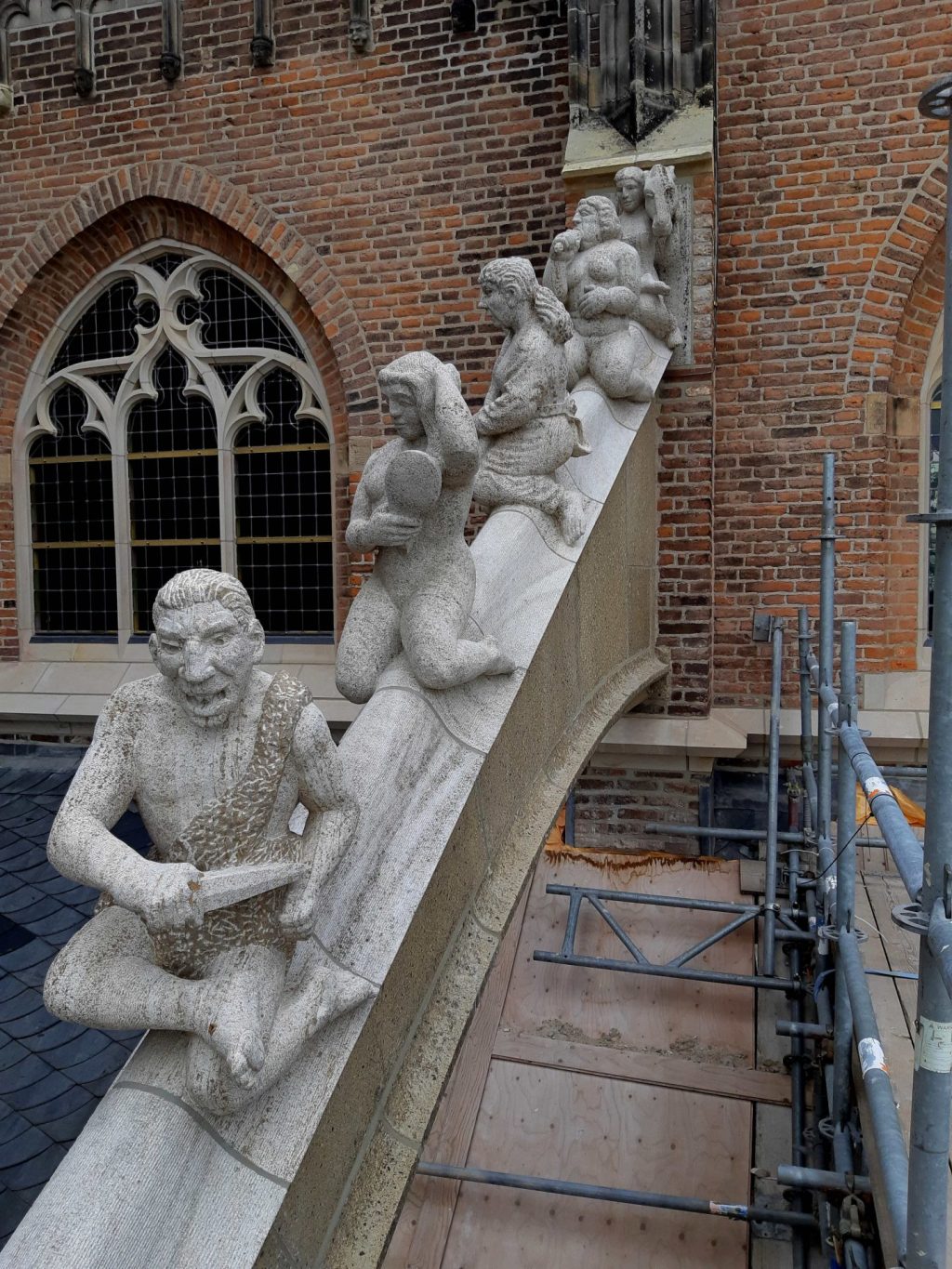
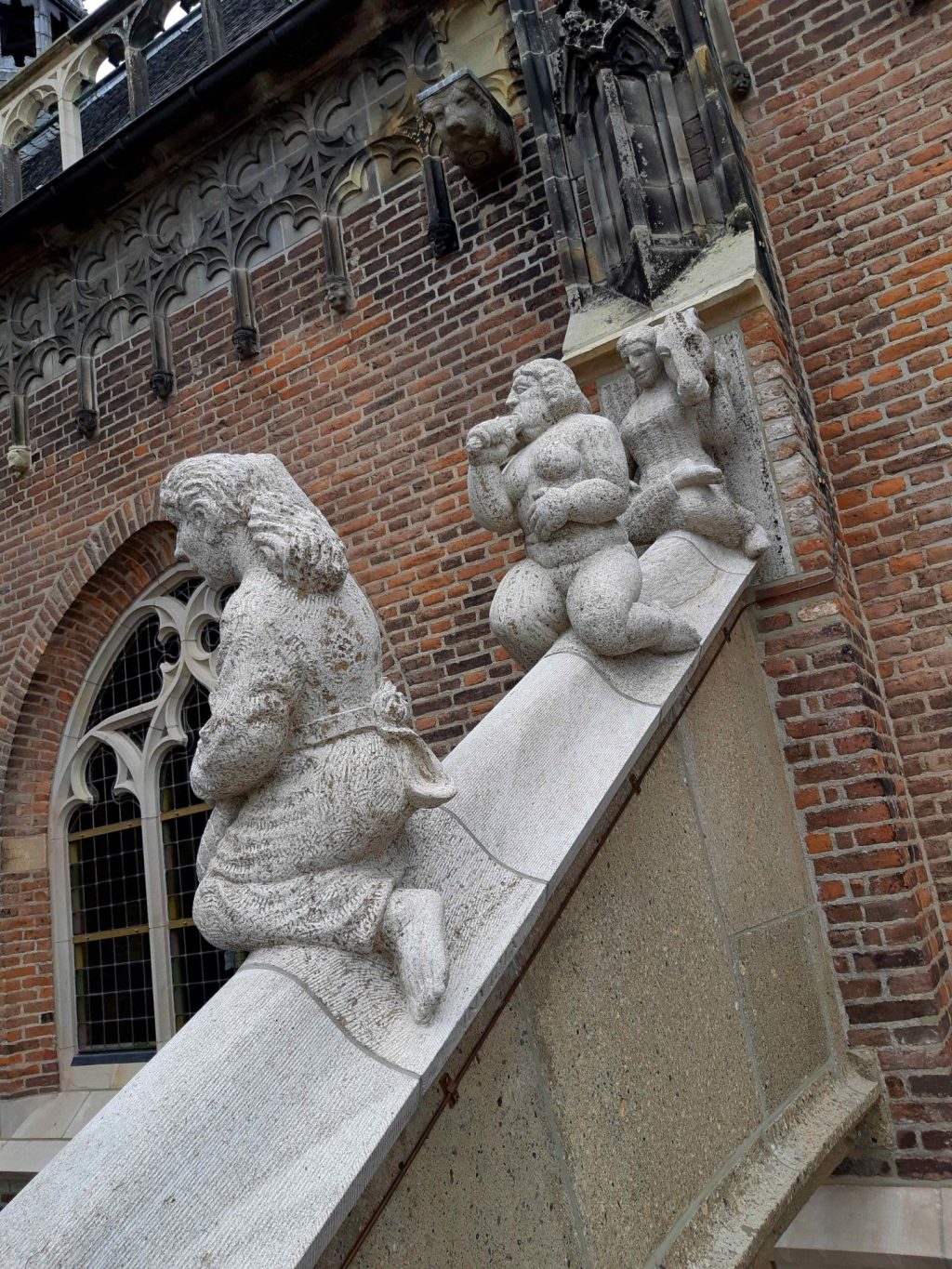
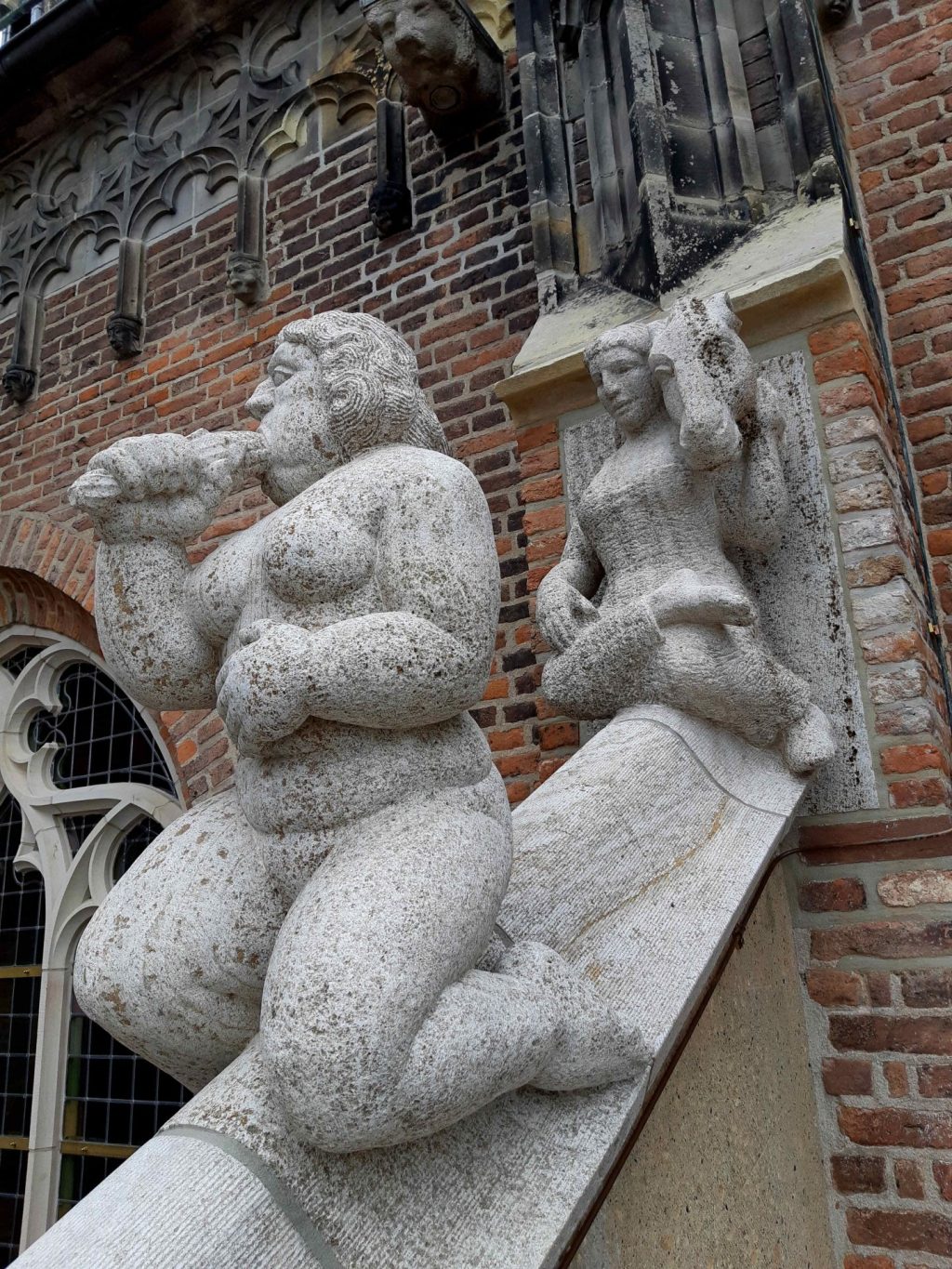
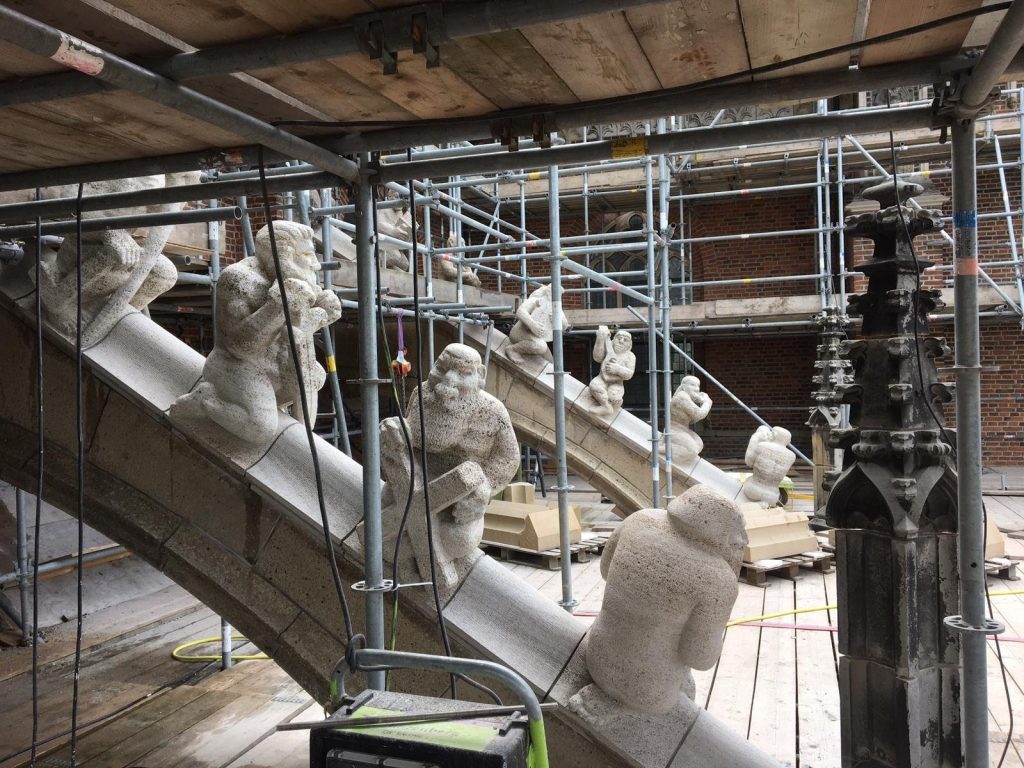
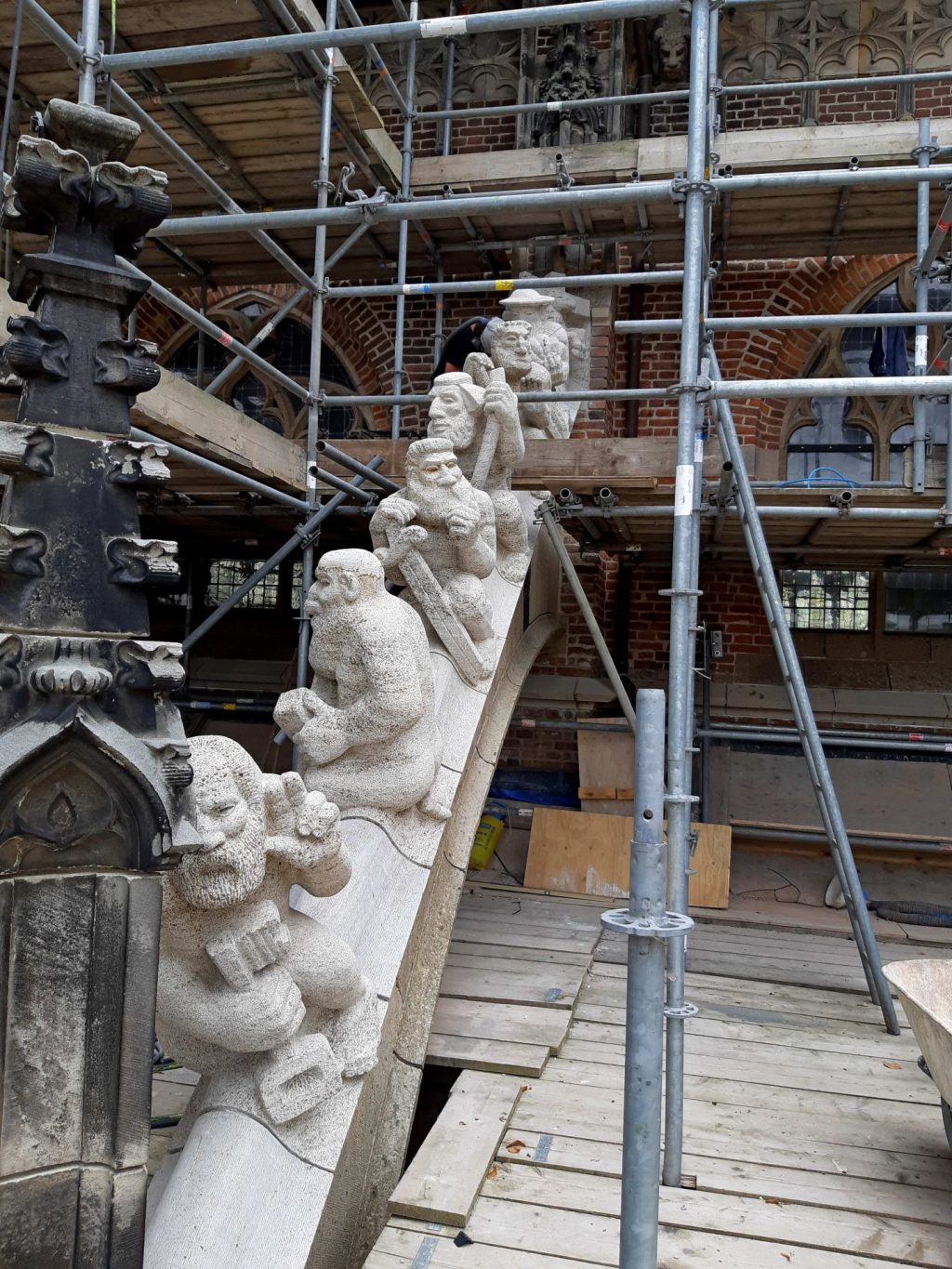
    flying buttress with the seven sins

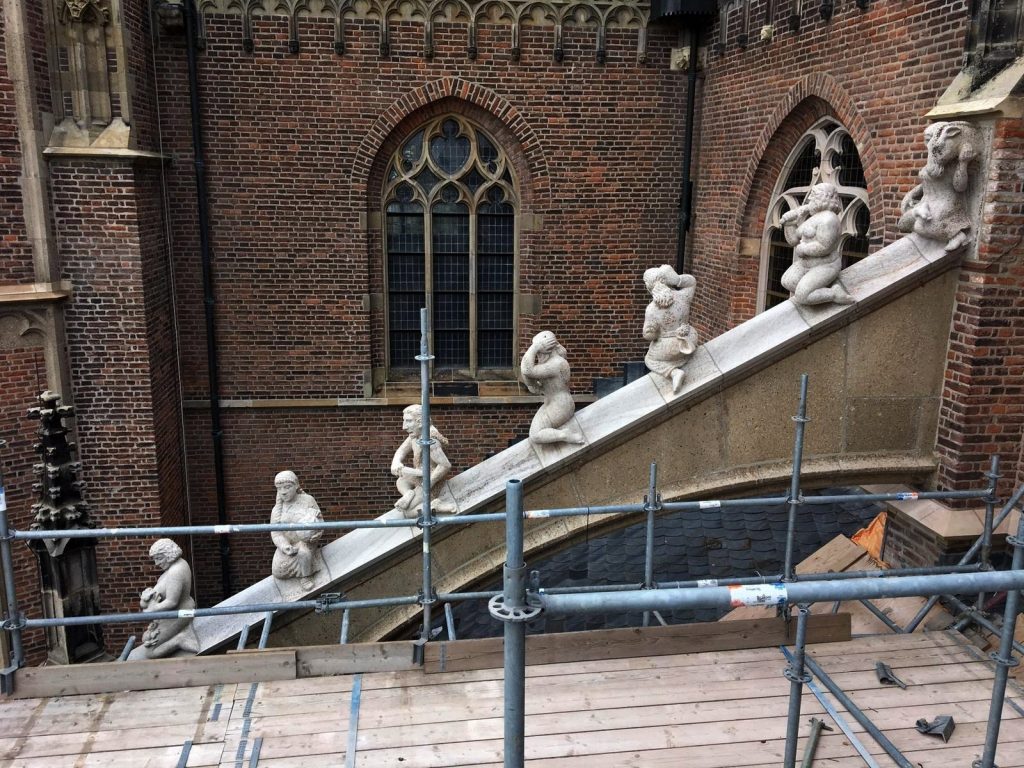
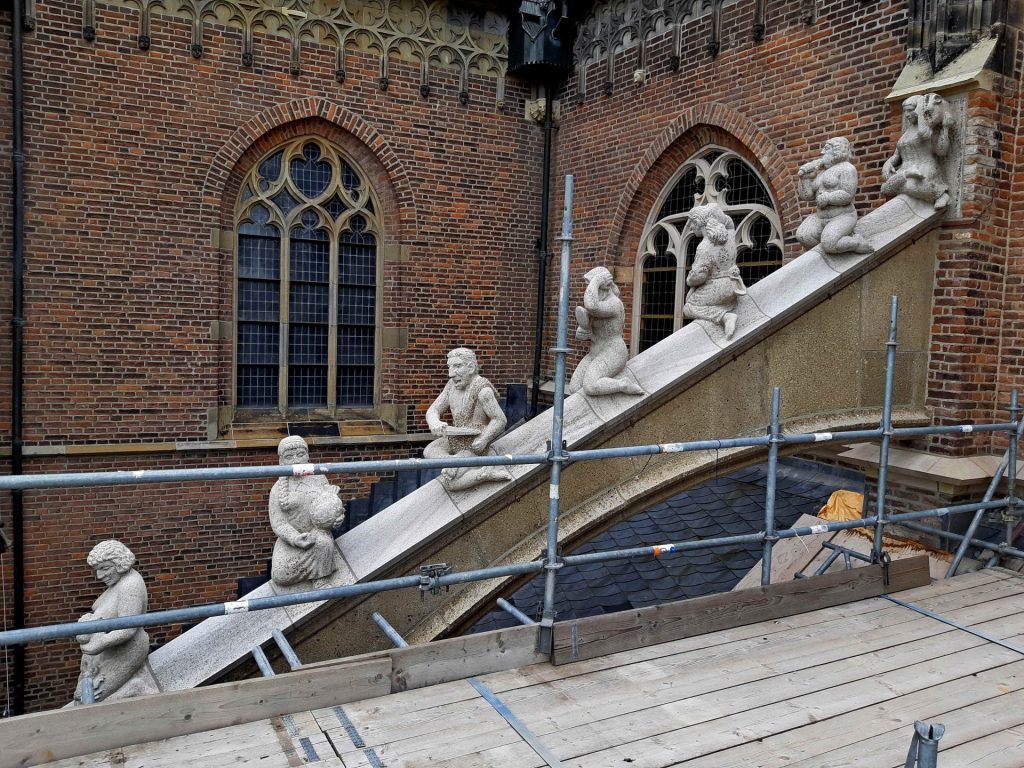
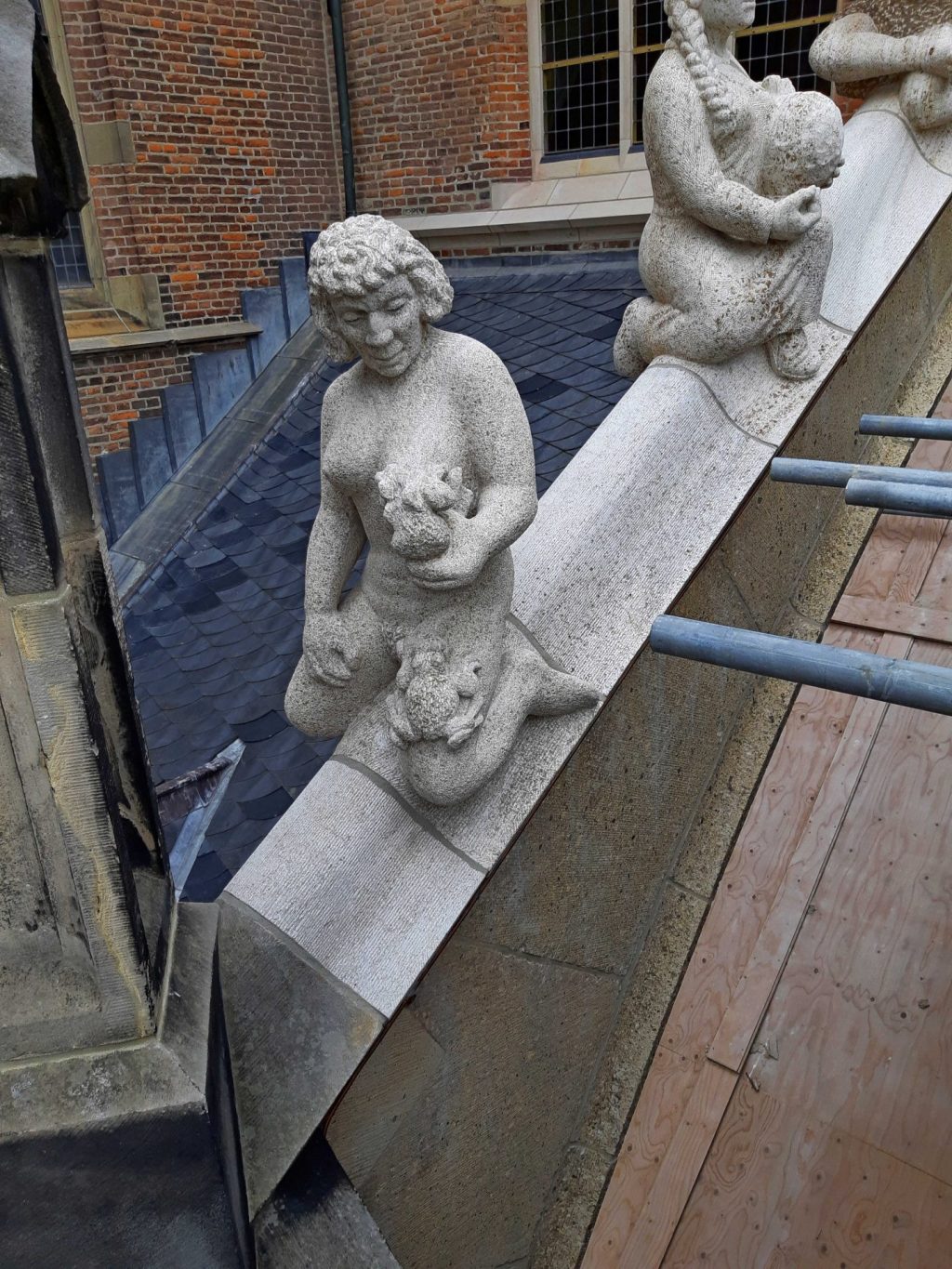
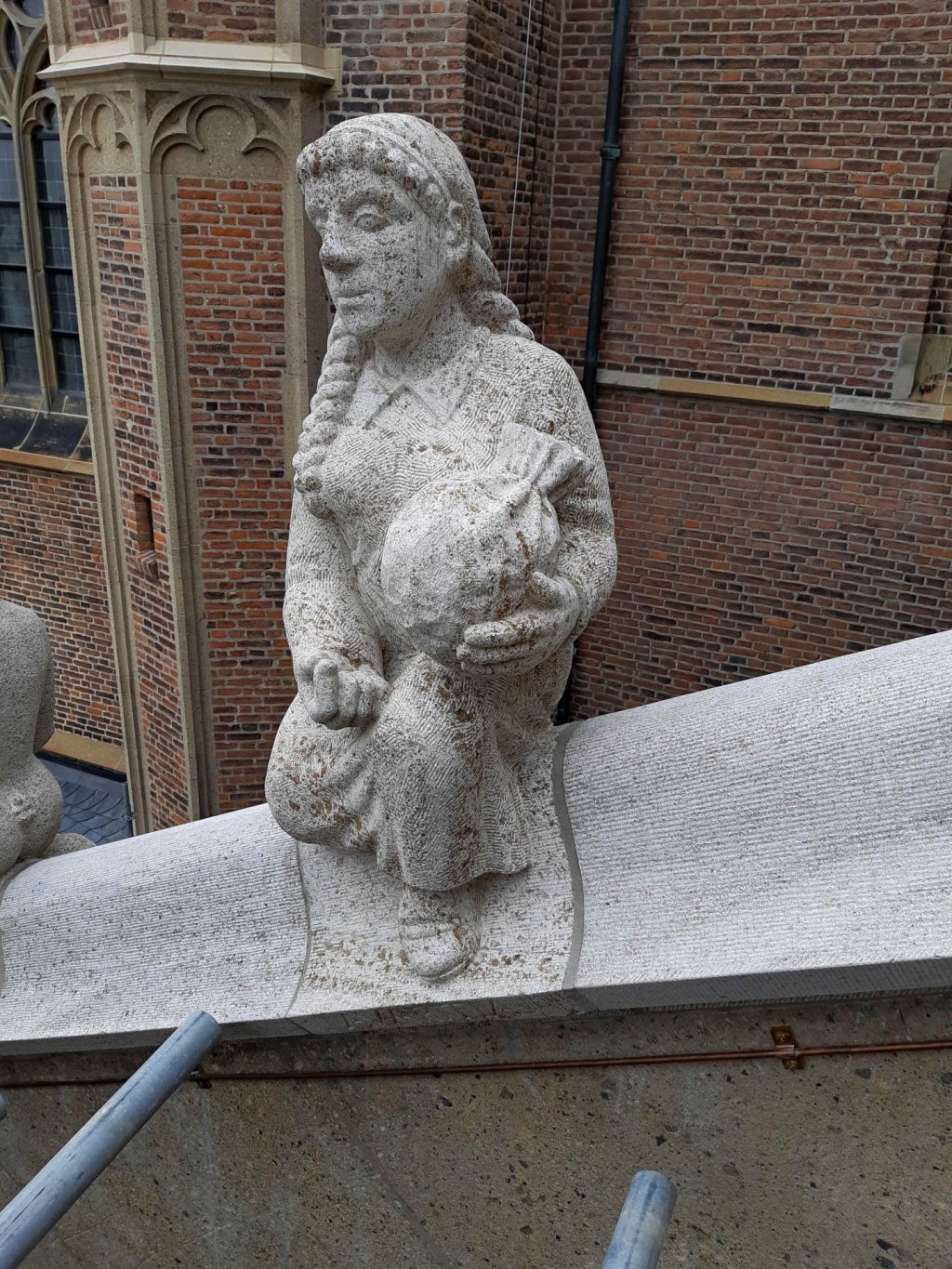
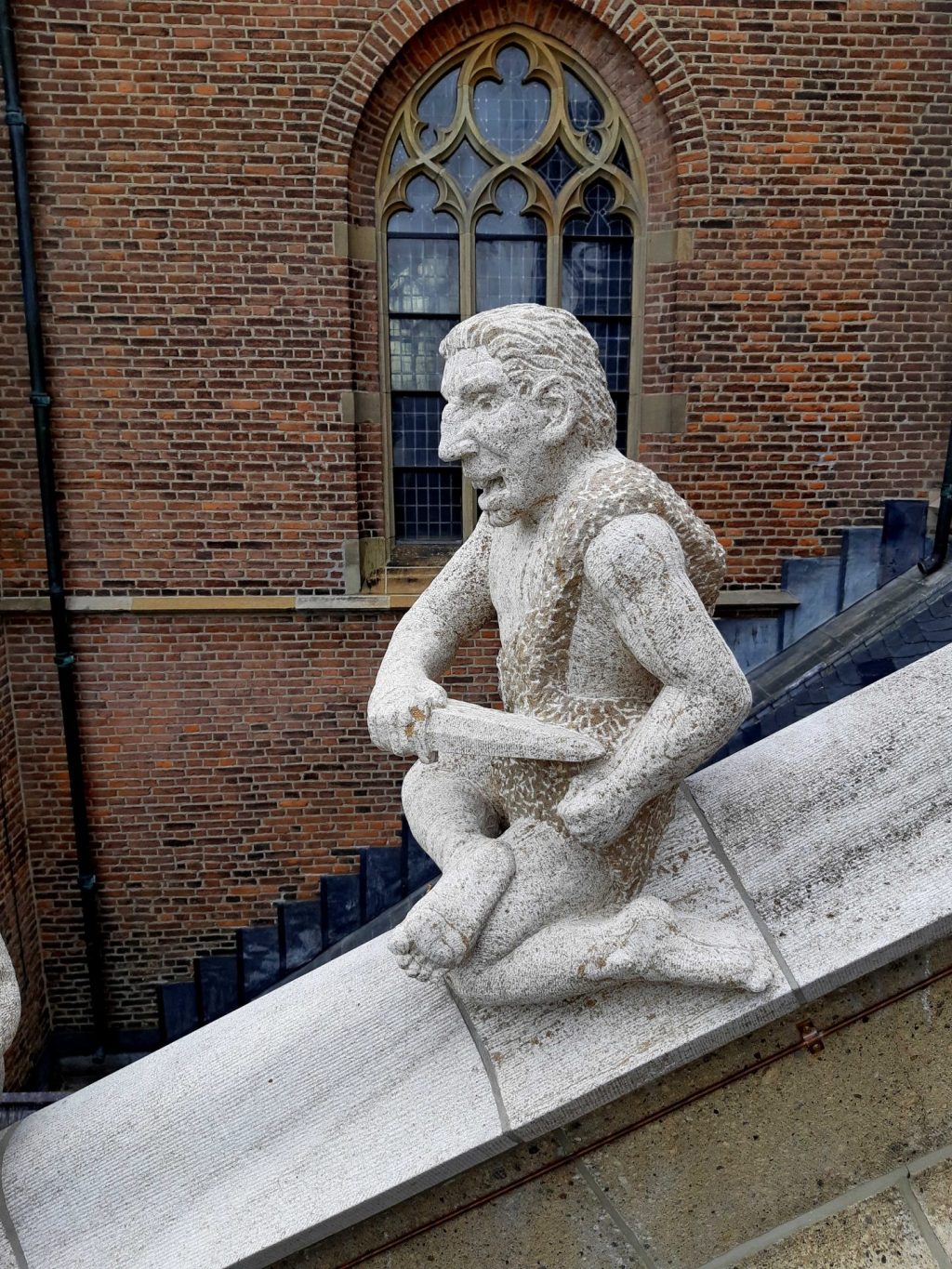
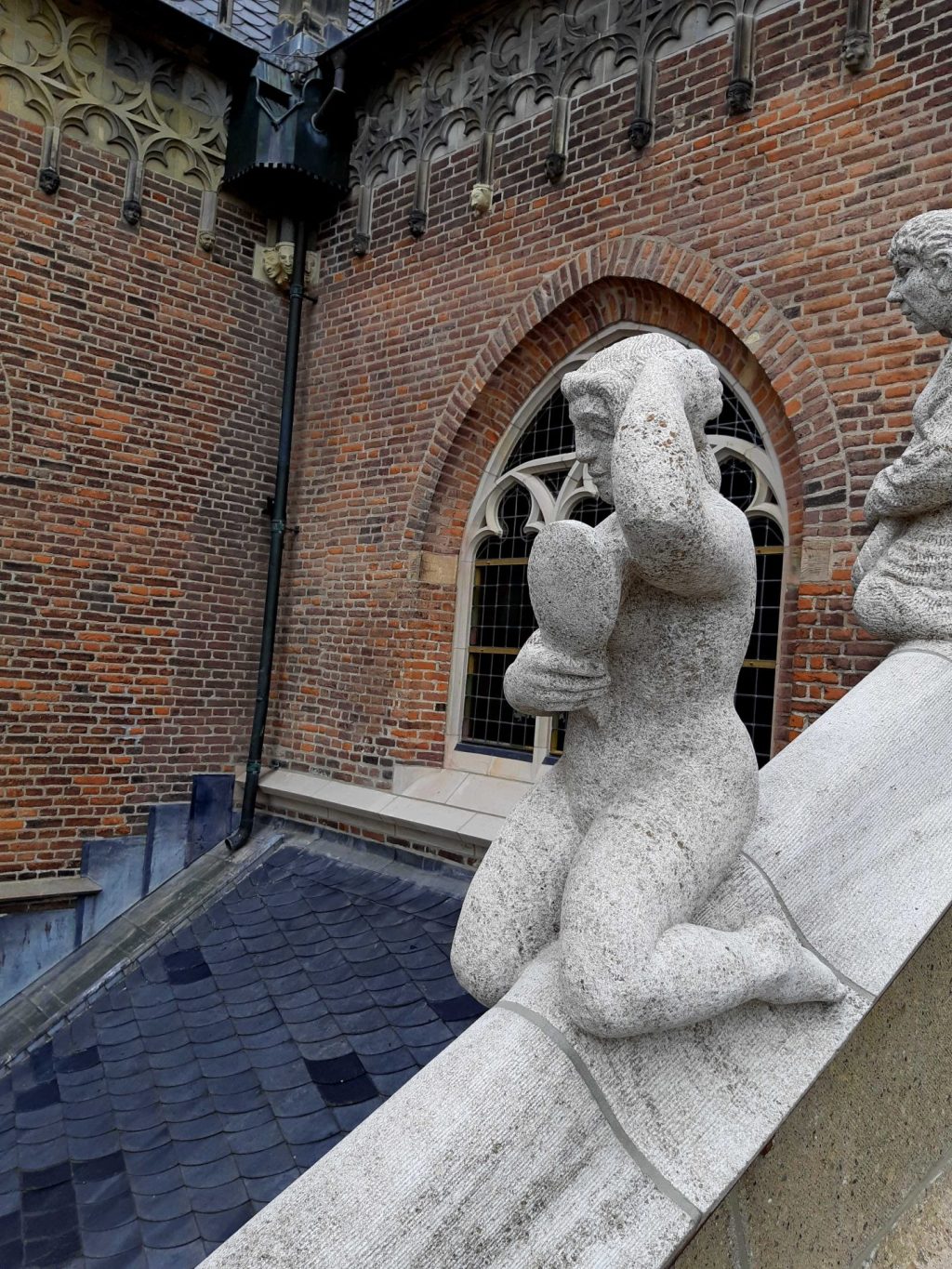
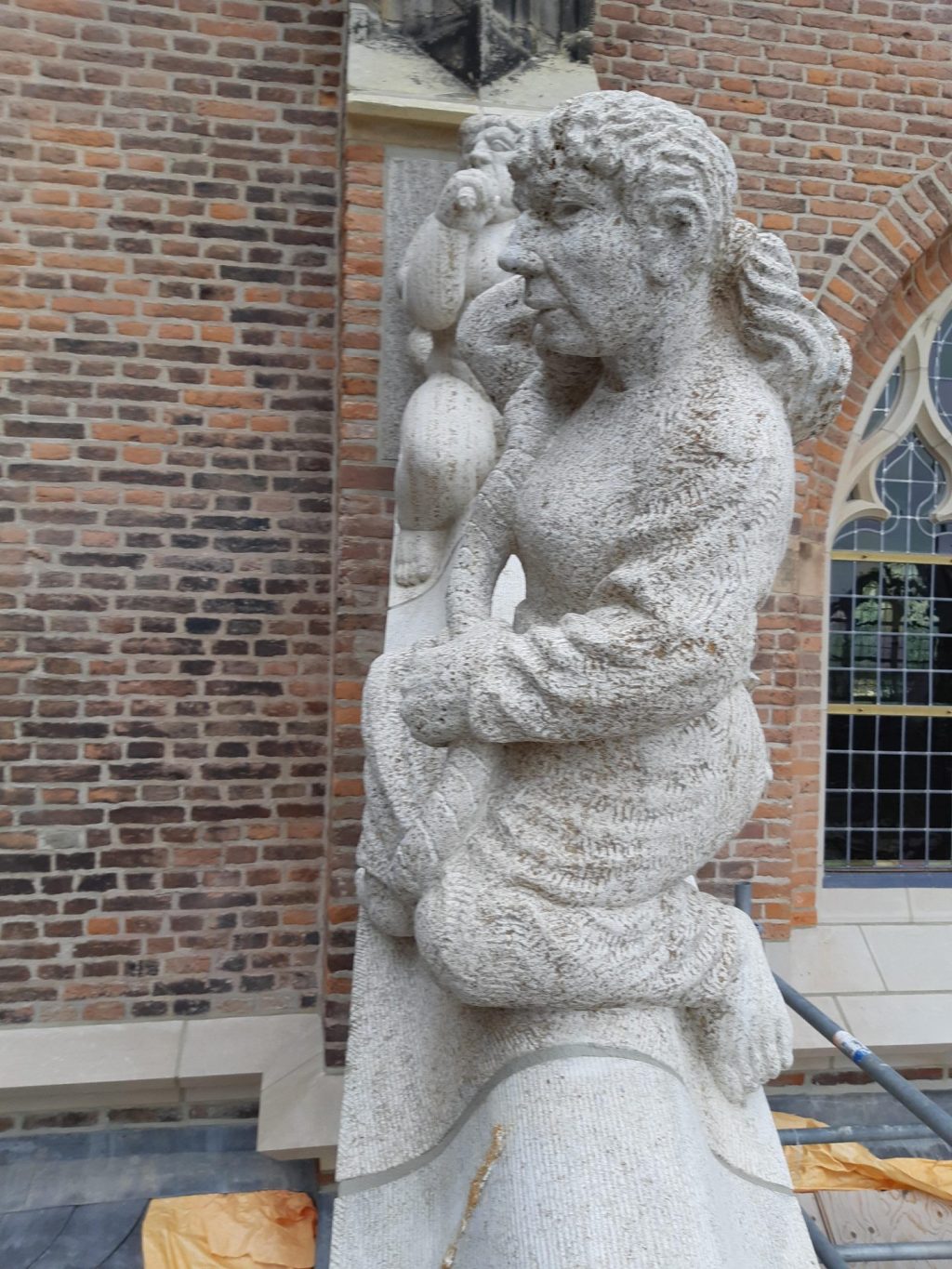
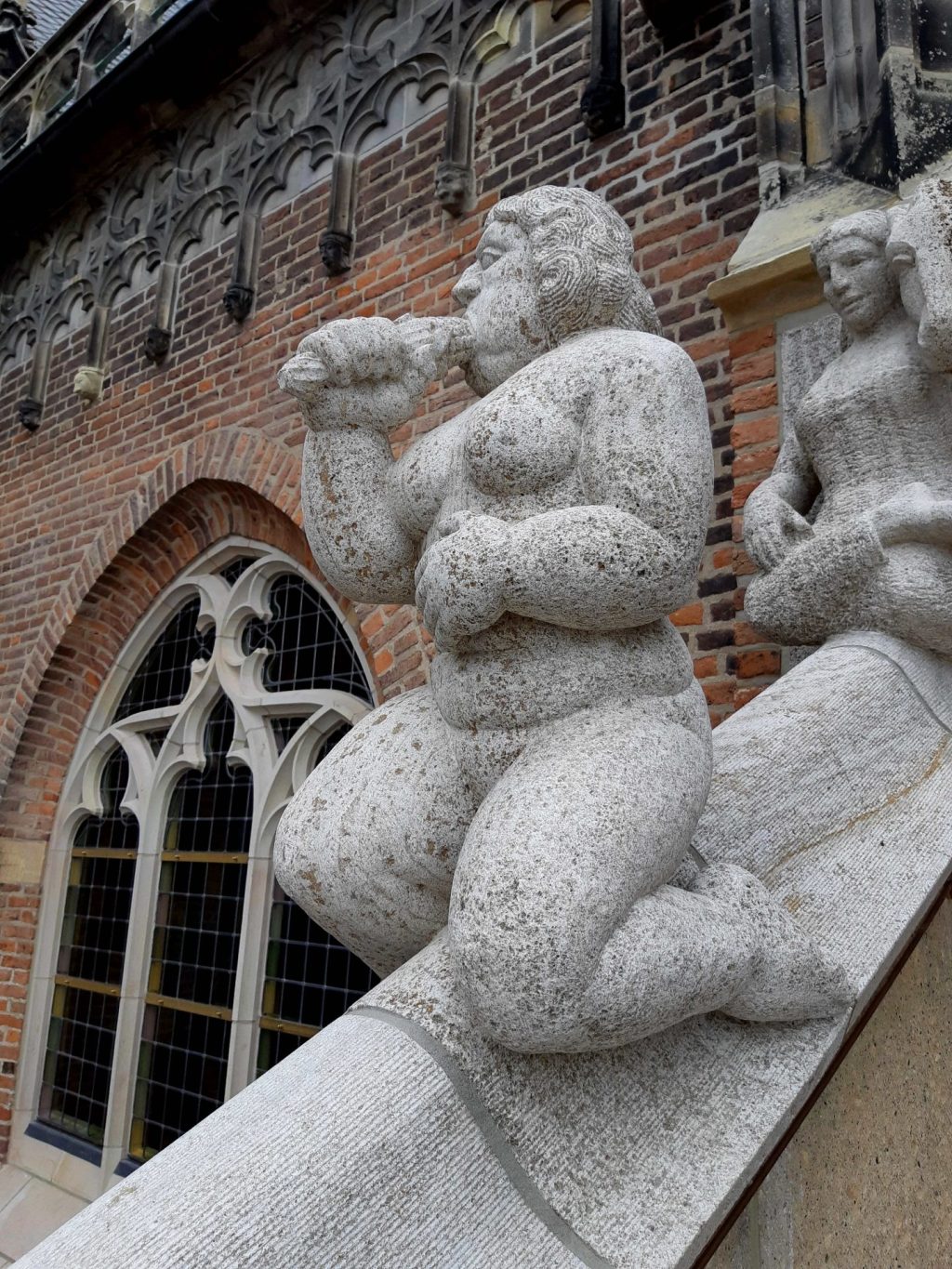
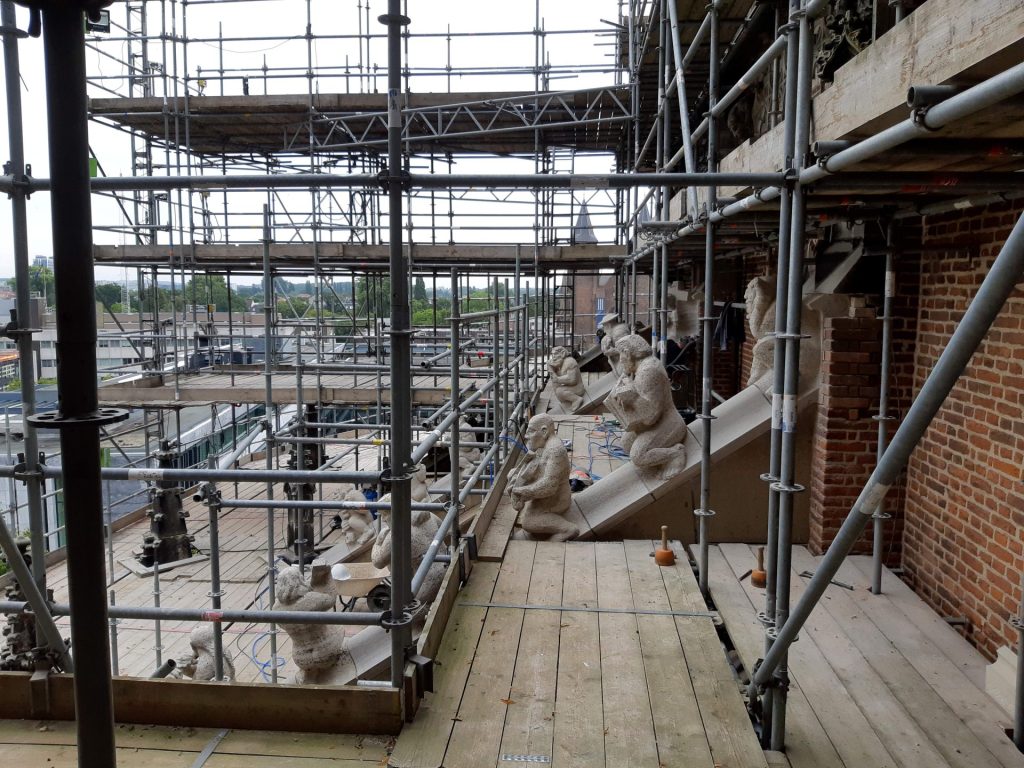
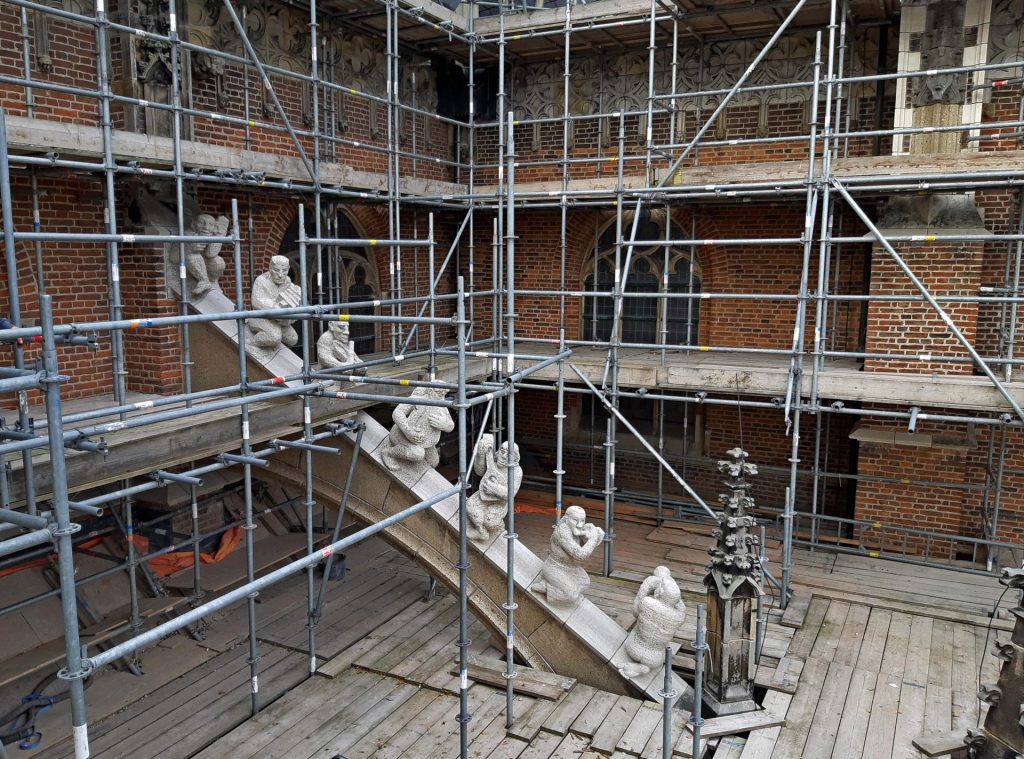
    The sculptures of The Seven Sins in the park. But there was not much to be adjusted, so I didn't need to drop by for this. That's why I was happy with Jelle's photos of these flying buttresses, so I can finally see how they look. It's become a very lively, and expressive set! From bottom to top we can see Lust (copy carved by Stide), Avarice (copy by Jelle), the Anger (copy carved by me), Vanity (Jelle), Envy (Stide), Gluttony (Jelle) and Idleness (Koen). They are sitting nicely and varied on the arch and each one has its own attribute, such as the toads at Lust's chest, the money pouch of Avarice, the Knife of Anger, the mirror of Vanity, the snake at the ear of the gossiping Envy and the workhorse of the lazy Idleness.

    Six Apostles

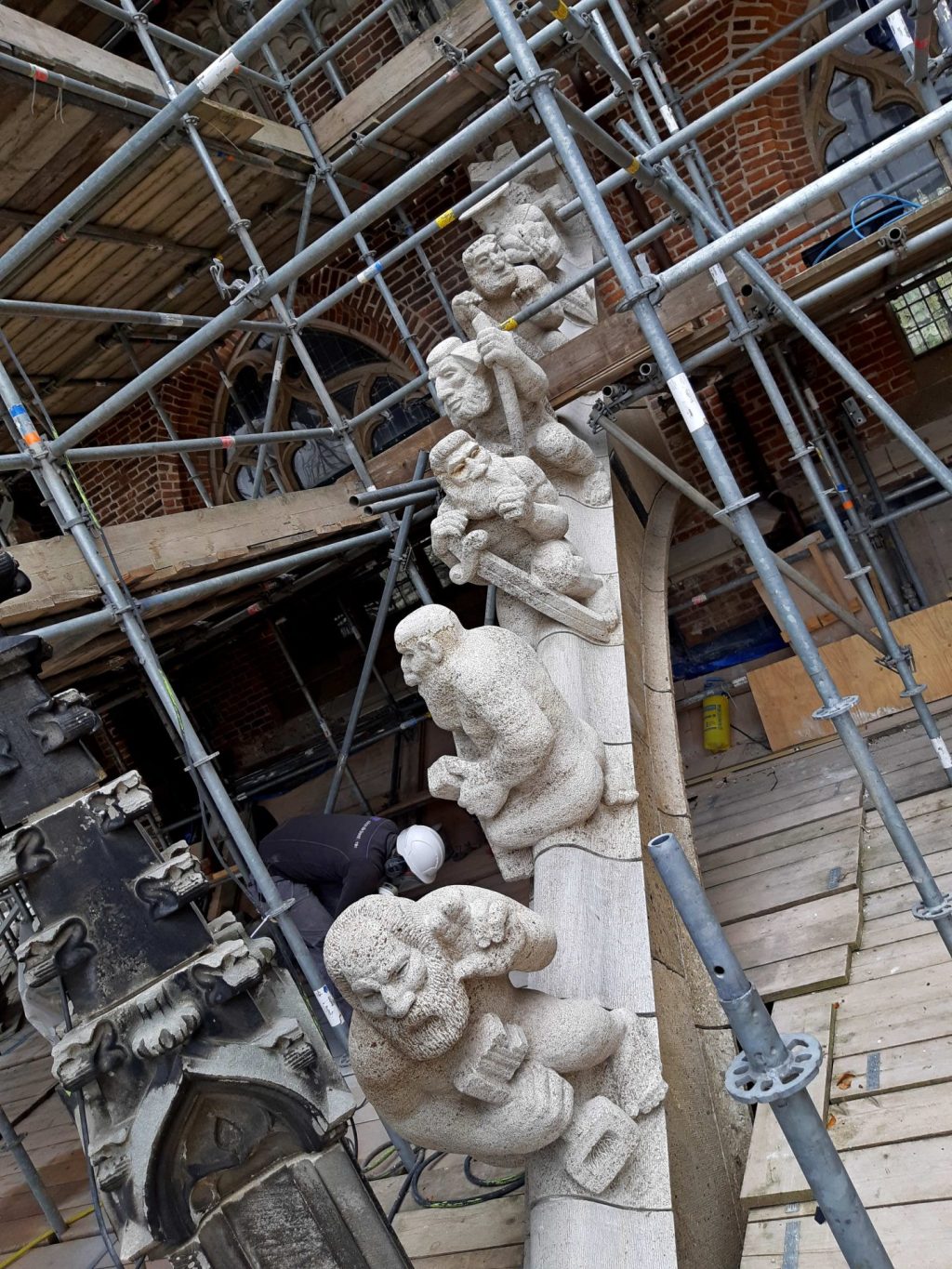
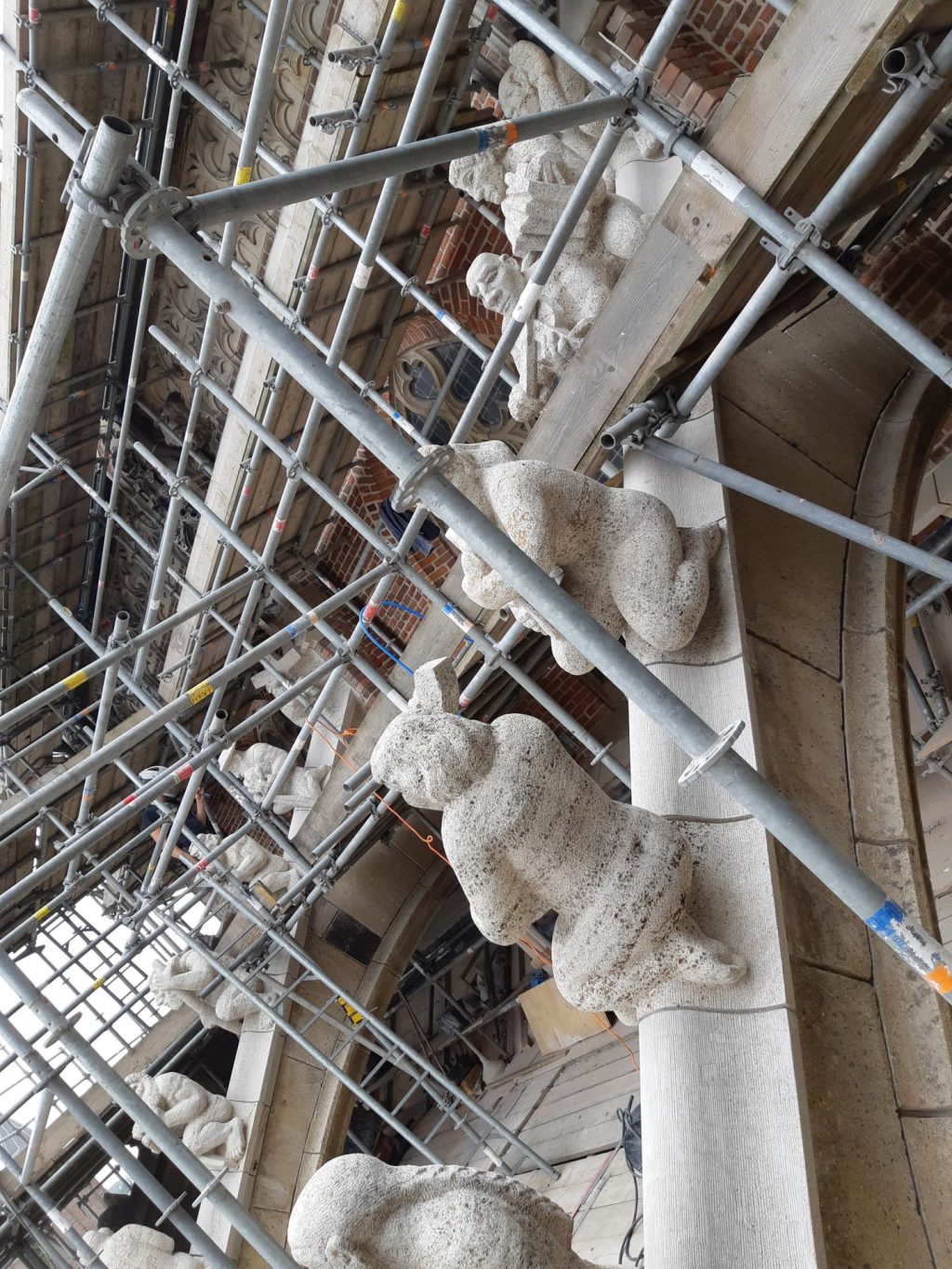
    flying buttress with the Apostles

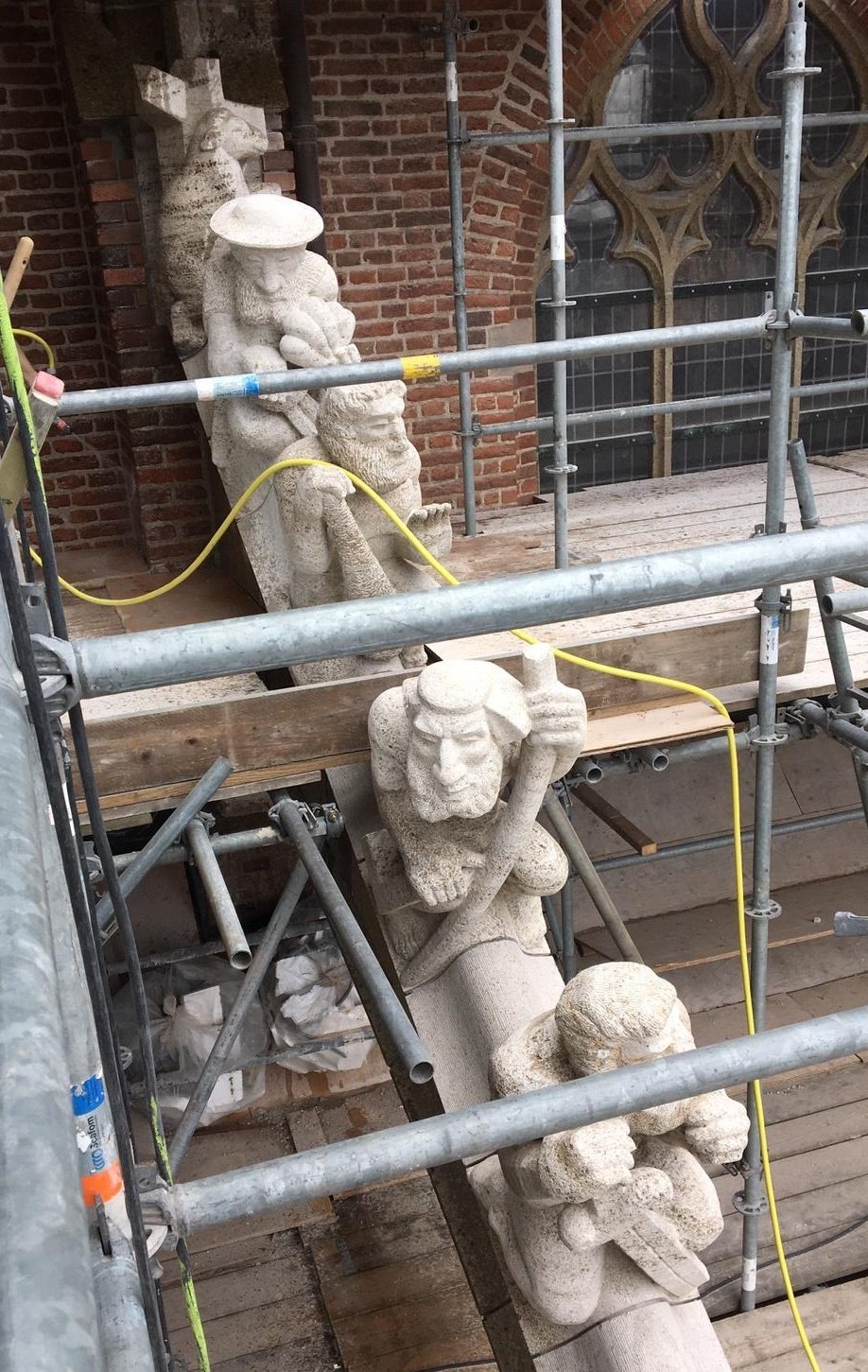
    The six Apostles also each had their own attribute: from bottom to top we can see St. Peter with the key (copy by Stide), St. Andrew with St. Andrew's cross (copied by me), St. Paul with a sword (Jelle), St. Thomas with staff and set square (Jelle), St. James the Lesser with a club (Koen) and St. James the Greater with sword and scallop (Koen). At the top, the Divine Lamb holds the cross (copy made by Jelle). You can read more about the theme of these flying buttresses in this blog article↑.

    Six musicians

    adjusting the fit of the sculpture of Lamb of God from the arch with the apostles

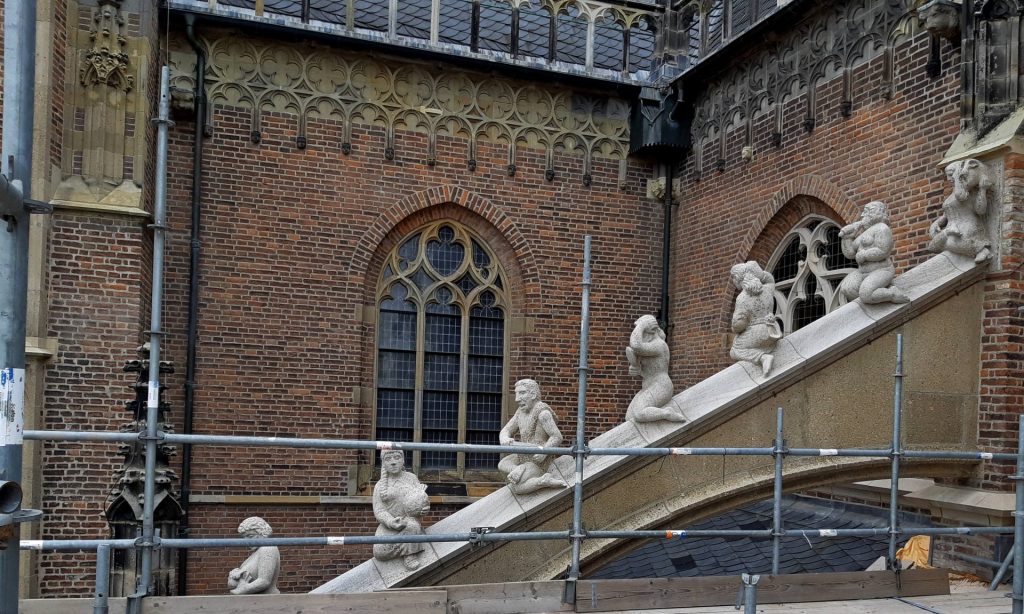
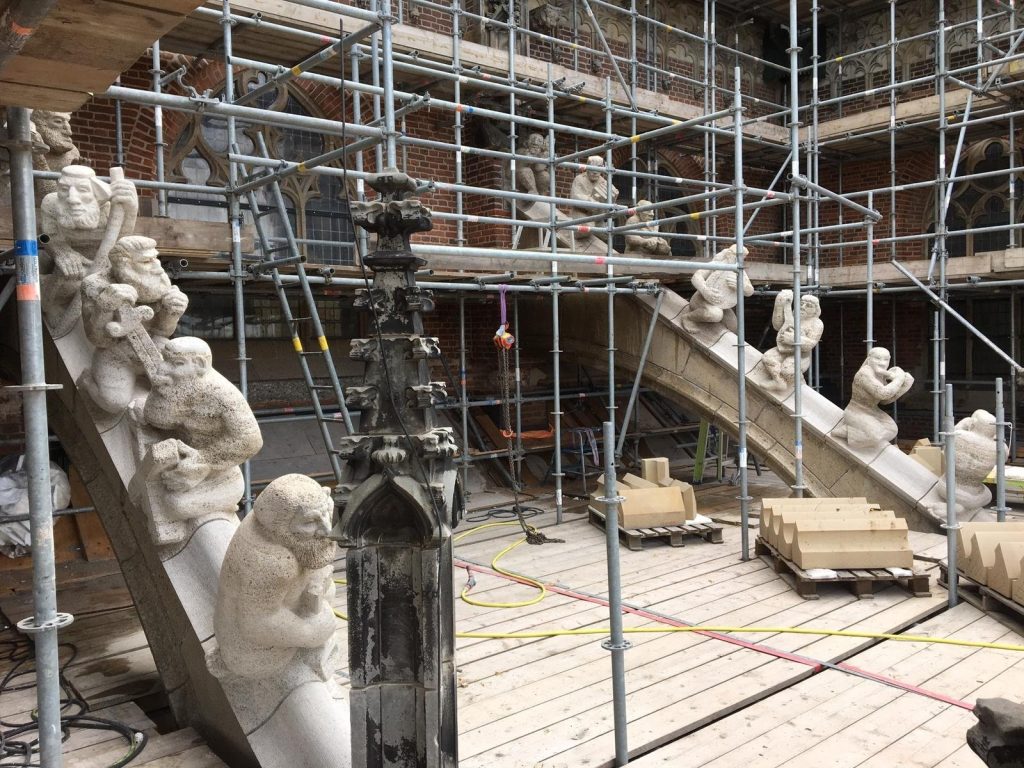
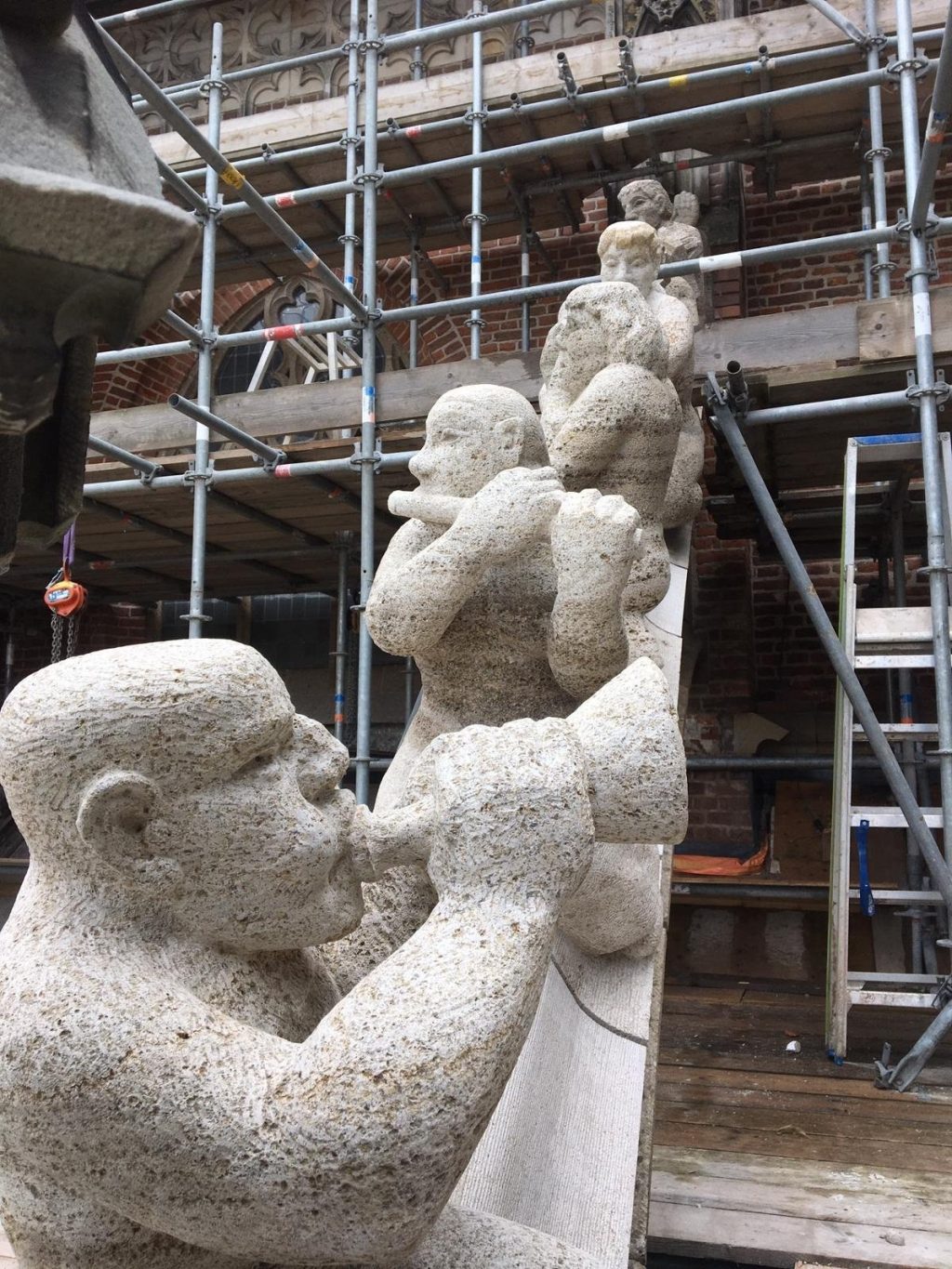
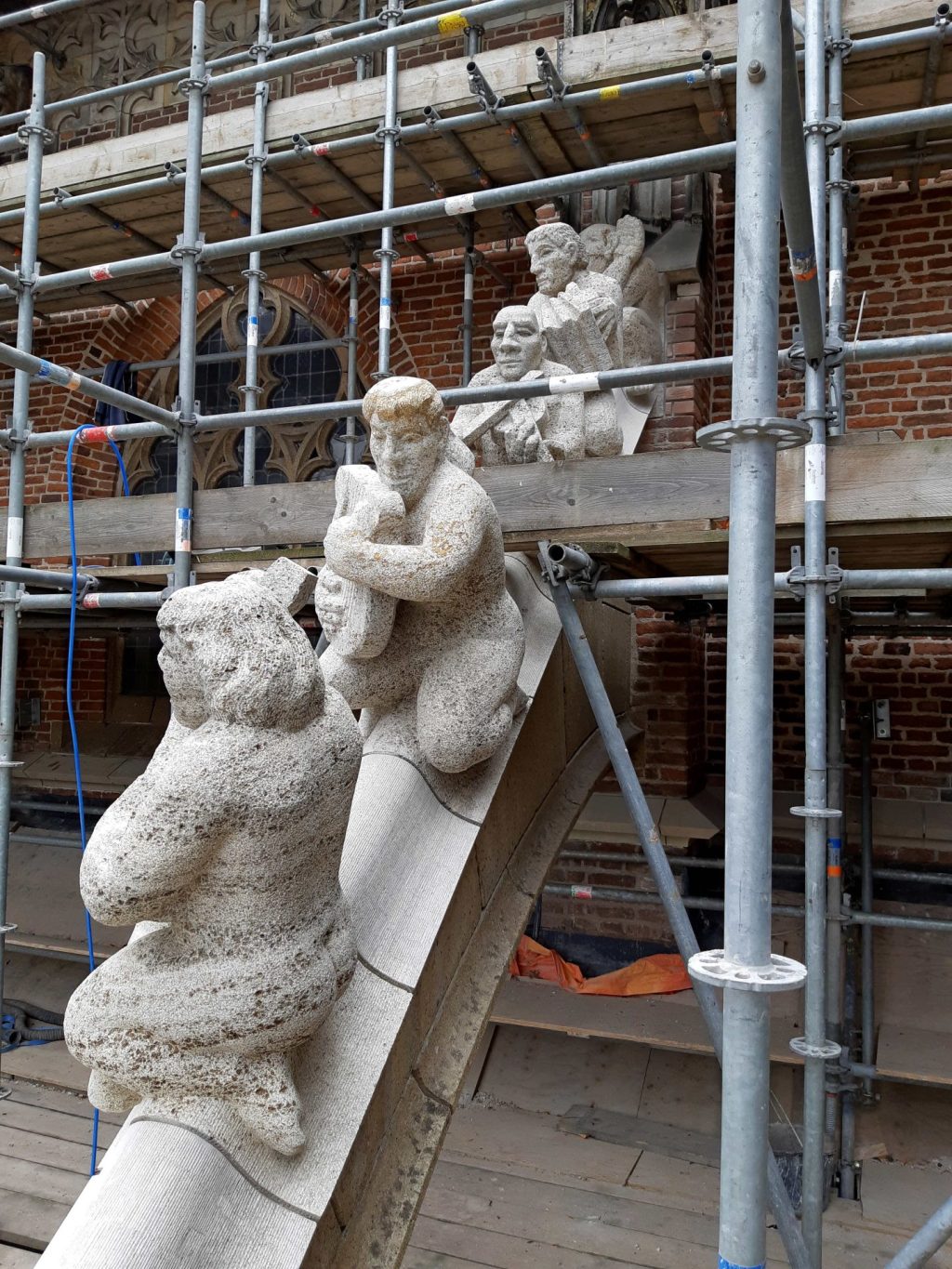
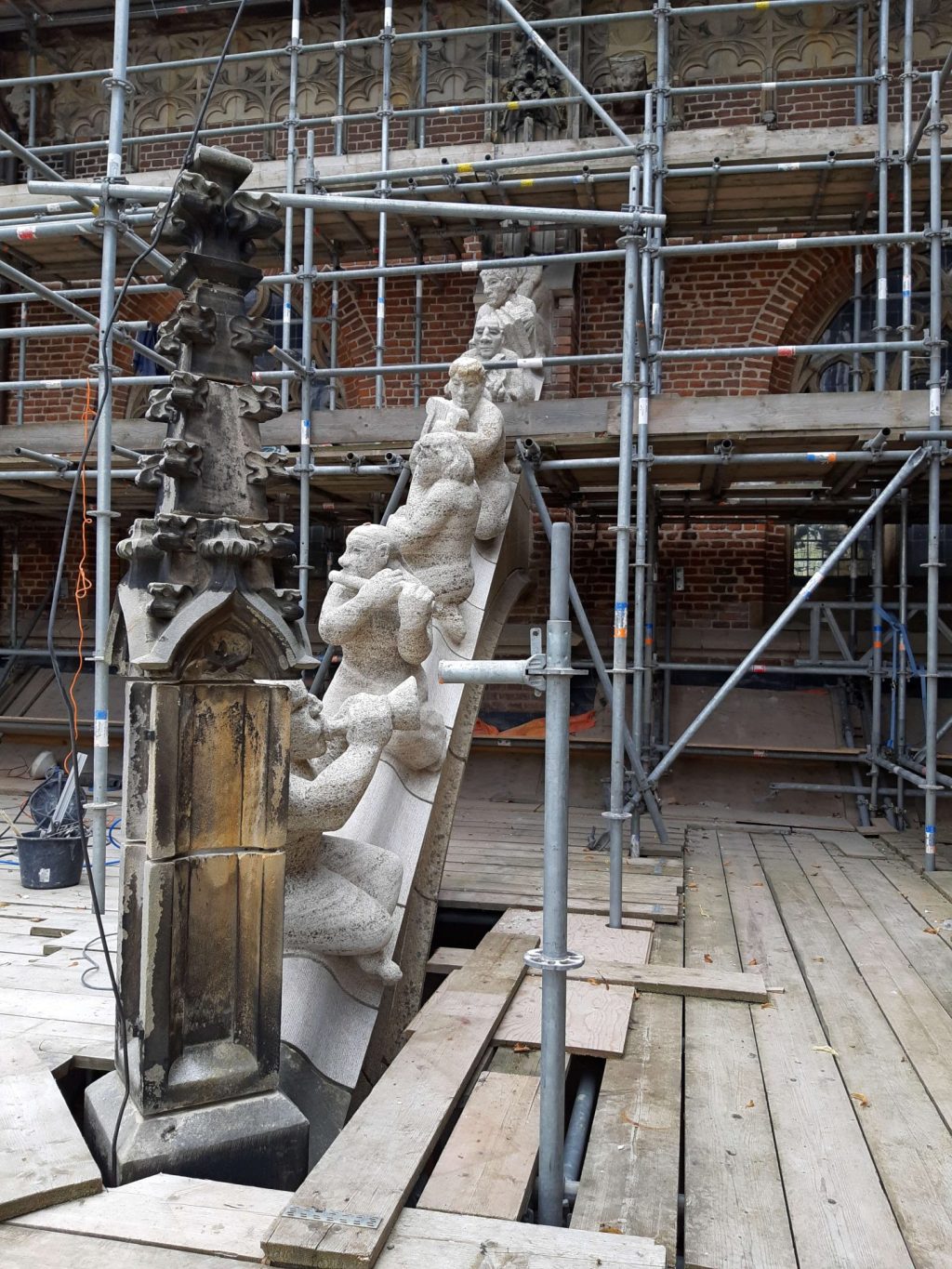
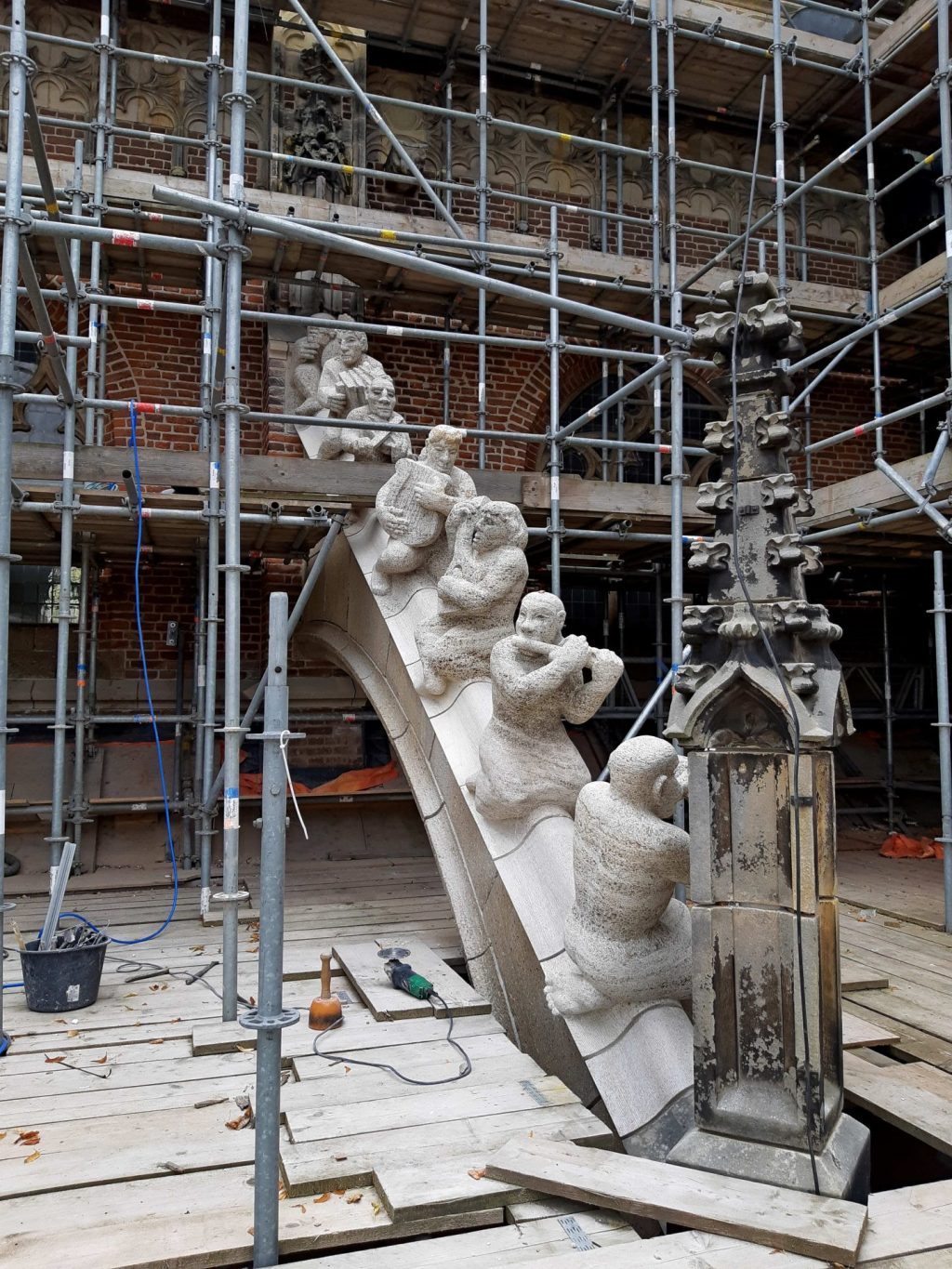
    The last arch visited this day, was the group of musicians from arch no. 16.

    From bottom to top we can see the trumpet player (Stide), the flutist (Koen), the lute player (Jelle), the woman with the lyre (Jelle), the violinist (Jelle), the man with the accordion (Koen) and the man listening, with his hand to his ear. Stide had carved this last statue and so he was the one to adjust the connection to the church itself. Read more about these flying buttresses under this link↑.

    It should be all over the newspapers
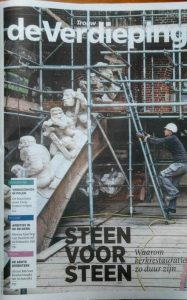
    newspaper article in Trouw

    In the same period an article appeared in a daily newspaper Trouw about this restoration (click on the image to read it online). The article points out how more and more ecclesiastical buildings are losing their religious function in this day and age and that ever more often a suitable destination needs to be found for them. That also makes it difficult to find sponsors for a very expensive restoration. People no longer have an affinity with the old position and power of the church in society.

    Yet people often do still feel connected to the iconic buildings themselves. And the sculptures on them then become the ambassadors of the building. The playful flying buttress sculptures by Van Kuilenburg in particular are the elements that touch the visitors and invite them to get acquainted. In this way, we still have an important function for the city, as sculptors!

    Not all the money goes to the sculptors….

    Now it appears in the newspaper article as if this restoration costs 32 million euros because there are so many sculptures on the church. That the sculptors use up the lion's share of this restoration. I have to disappoint you, unfortunately that is not the case. There are 96 flying buttress figurines as well. Make it easy for math and say there are 100 figurines, and add another 100 for the tower. 200 in total. If we would use up say 20 million out of the total restoration sum, that would be 100.000 euros per sculpture? You'll understand that this is not true. That would be very easy money for a few weeks of work.

    No, we only use up a fraction of this amount. There are still many other items that are much more expensive, such as windows, roof, floor, and scaffolding. Fortunately, the sculptures are the most prominent part of the church, so in that aspect, we are certainly worth millions.

    Update 29-8-2020 : added some finishing touches

    Last Tuesday, Jelle and I went back for a day to do some extra accordion work on the underlying profiles. That also gave me the opportunity to take another series of photos of these three arches myself. I added them to the gallery.

     

    To the next flying buttress image →

  • Gratefulness is the fruit of all the seeking-1

    Jan van Velzen, 1 month before his death

    In memory of my father Jan van Velzen

    sculptor Jan van Velzen in 1992

    On Sunday 19 January 2020, at 1:14 a.m. , my father Jan van Velzen. passed away. He was also a sculptor, an artist, but above all someone who practiced the art of life. This is evident from his sayings, of which the title of this blog post was one that I had never heard of him before. He made this statement in the last days before his death, a period in which he looked back on his life, full of gratitude and love.

    Jan van Velzen was by no means a woolly kind of person. He had been a small scale farmer and flower bulb grower and worked hard all his life.

    A poor hamlet

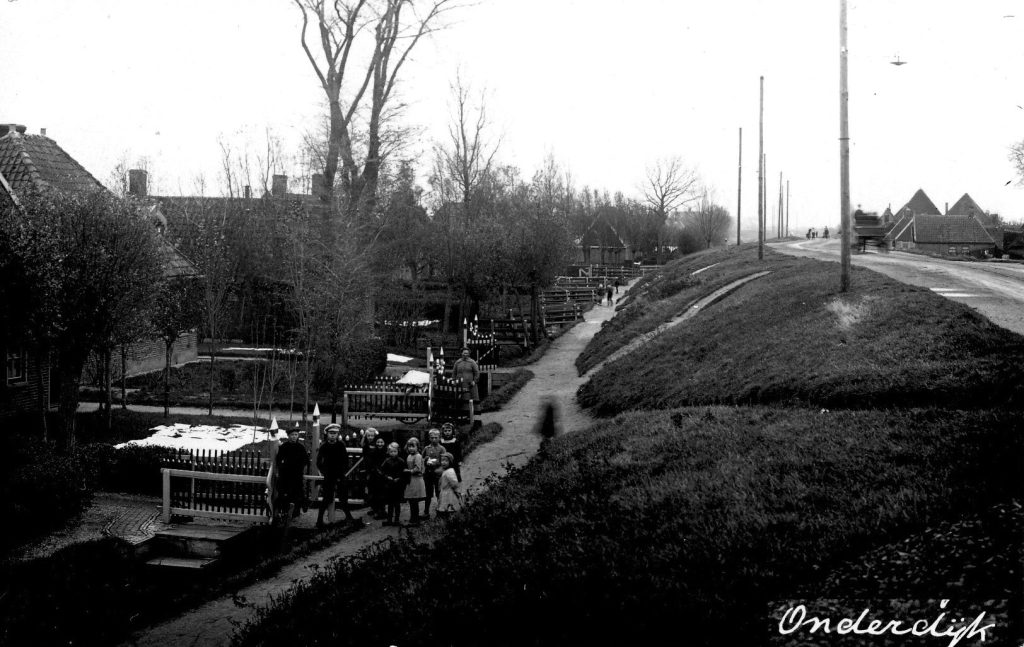
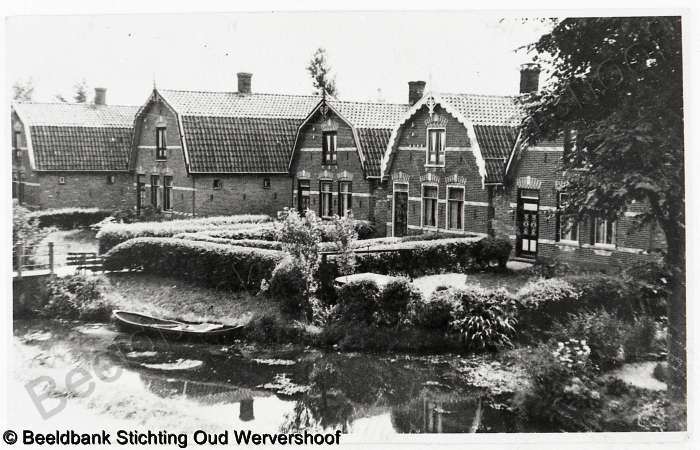
    Onderdijk, lower path with canal
    old photo of the village Onderdijk

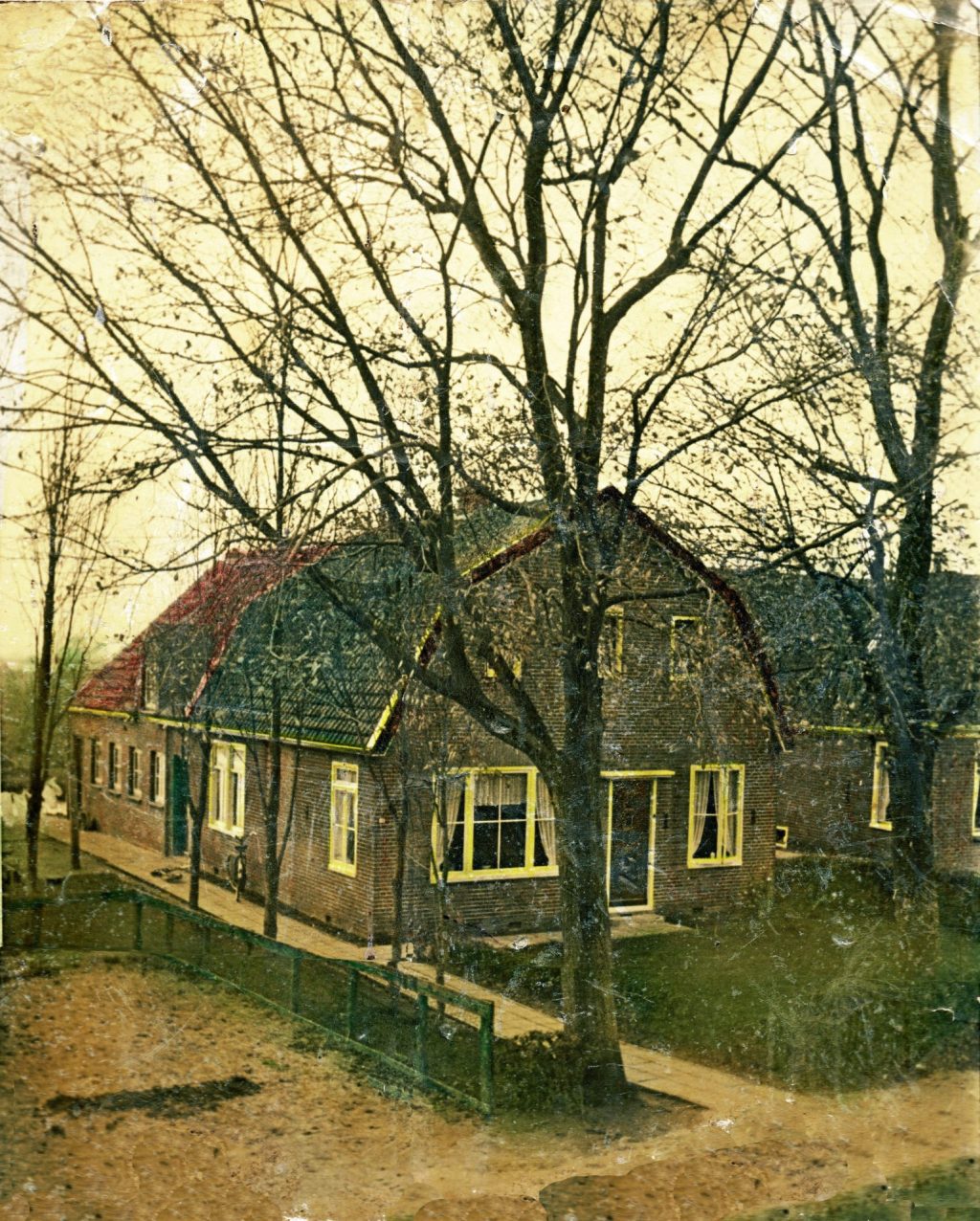
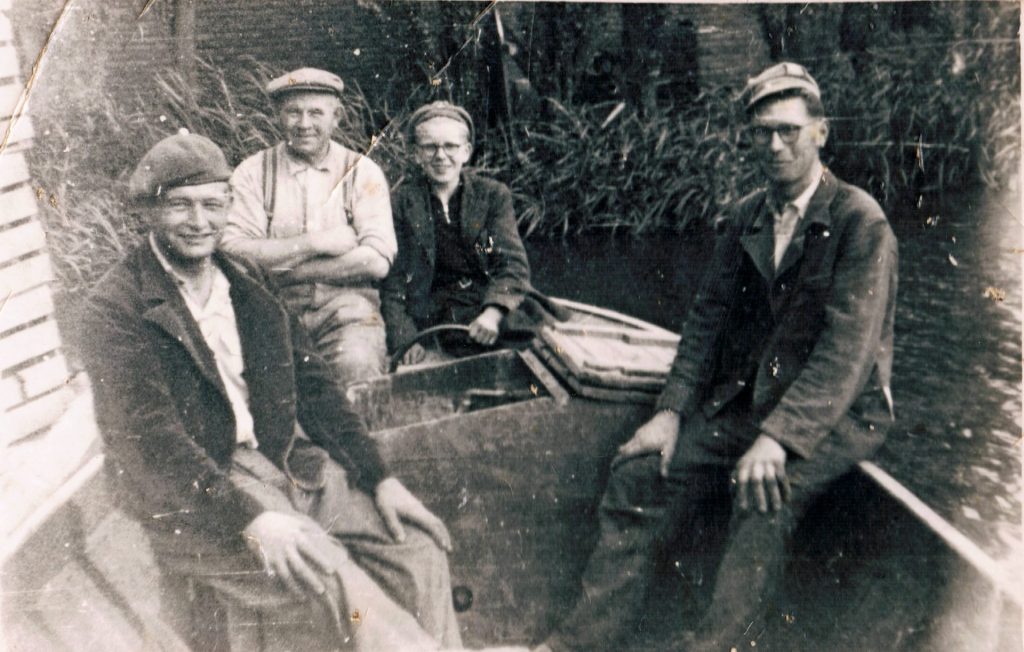
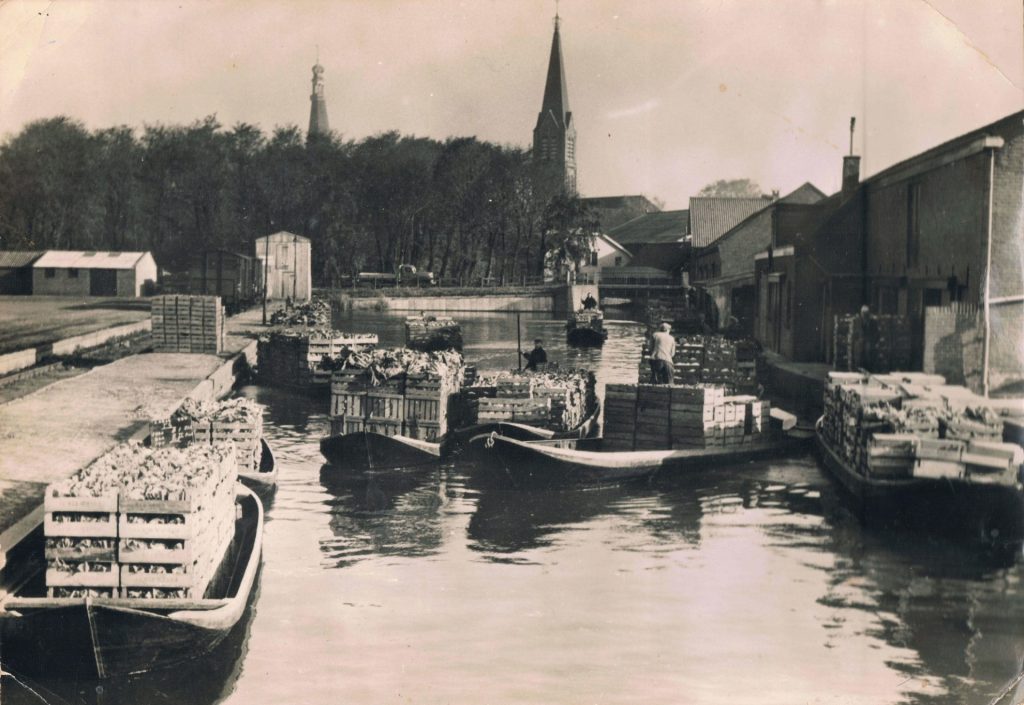
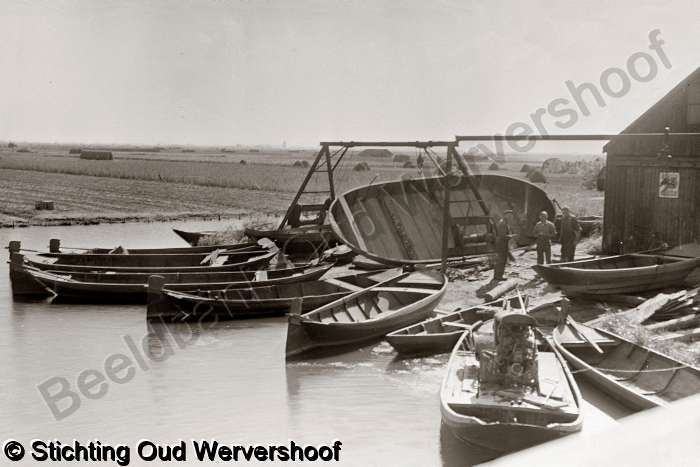
    Onderdijk in 1931 was a poor West Frisian linear settlement village in North Holland. It lay on either side of a high dike and many houses had their own bridge over the canal to the foot of the dike. His father, also called Jan van Velzen, was like most of the villagers a market gardener or small plot farmer, who sailed with a barge to his piece of land across the lake to grow onions, cabbage, carrots, red beets, tulips and potatoes. After the harvest, the boat also carried their produce to the sailing auction in Medemblik.

    Longing for beauty

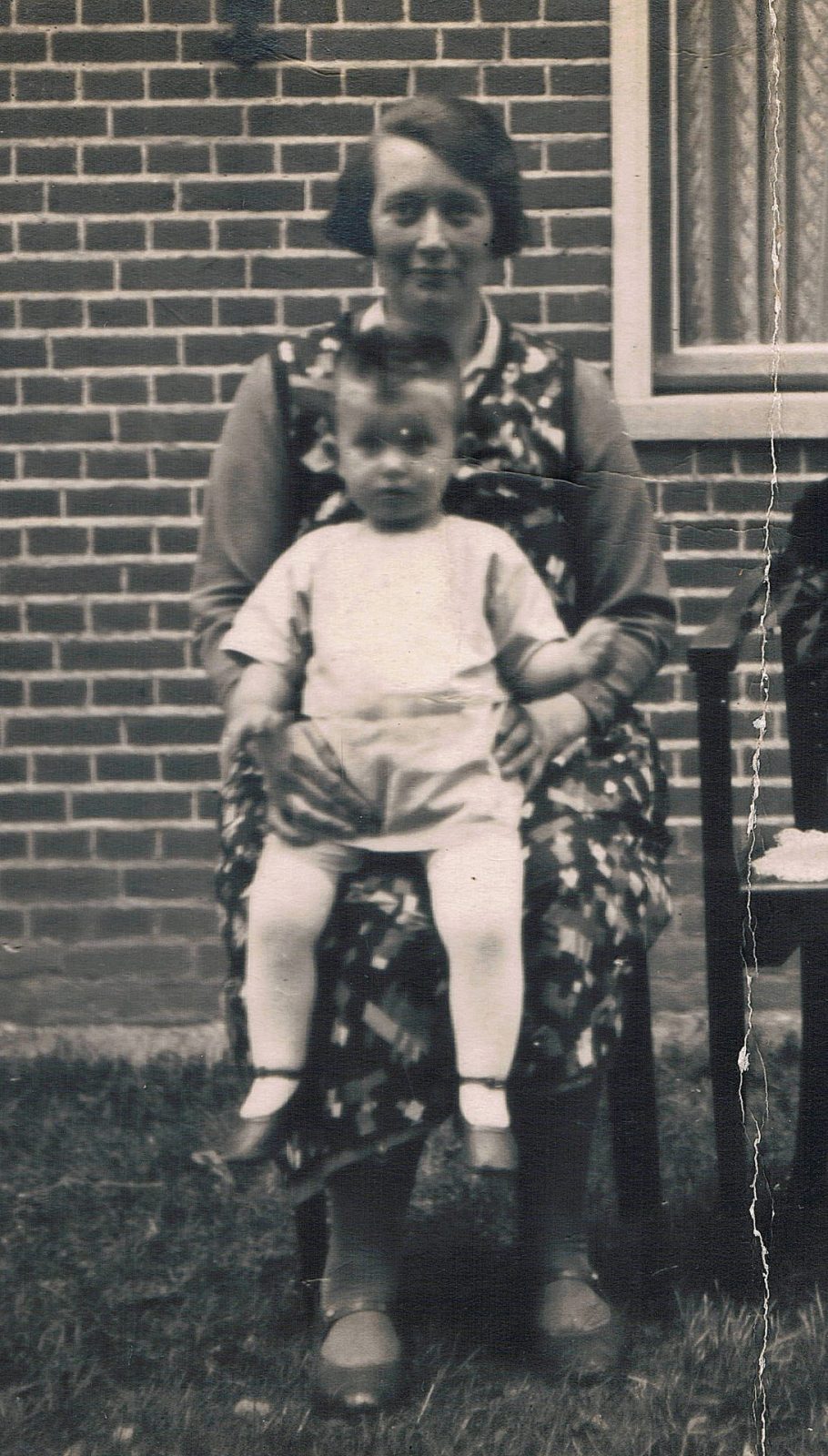
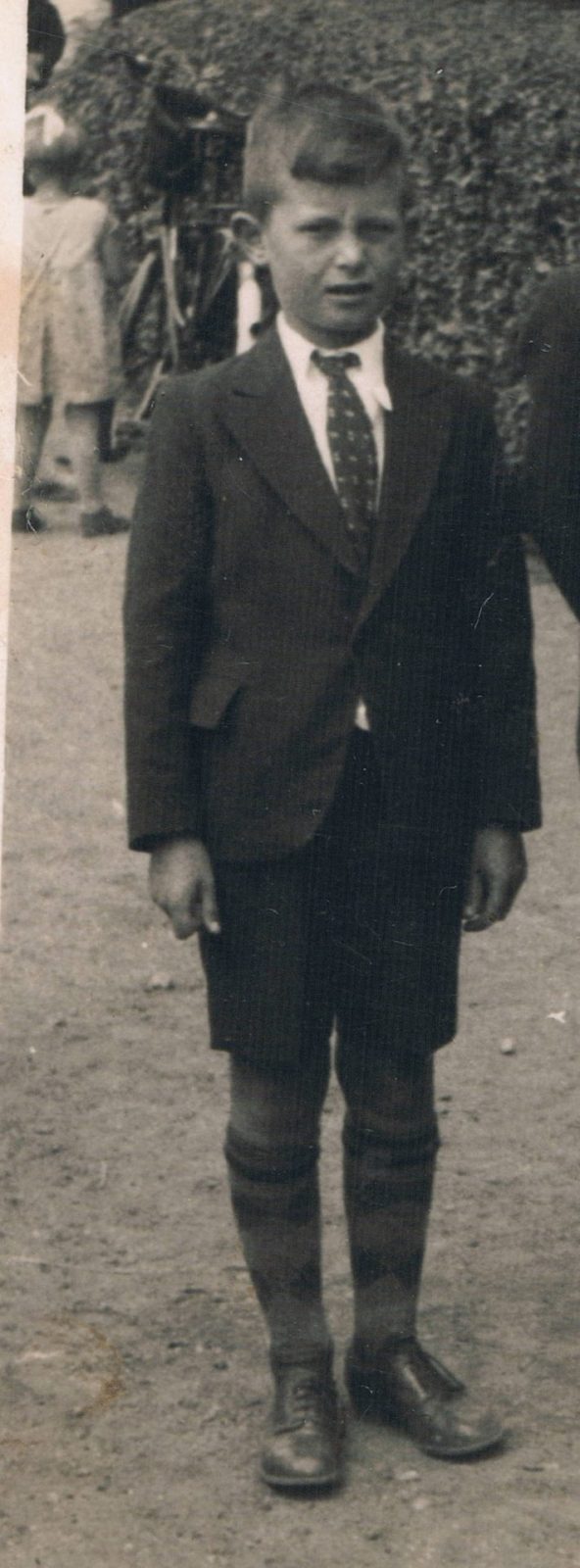
    Mother Cornelia van Velzen-de Vries with Jan van Velzen, 2 th anniversary

    Jan was the second child, a rather quiet, sensitive boy who only started walking when he was two. He was horrified by the gray hopelessness of the hard work and the humdrum with which all the brightness and beauty was reduced to 'just do it and carry on'. He had an intense desire for beauty and talked about the delight he could feel when hearing beautiful music in church. His father was a warm-hearted man with a lot of wisdom. On his deathbed, Jan told how he still could see his father on Sunday mornings, in his shirt, throwing the shaving water into the ditch with a swing, singing loudly and with a swarm of children around him.

    Early creativity

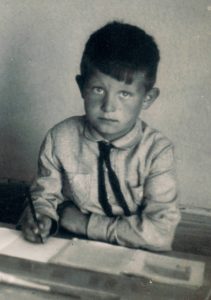
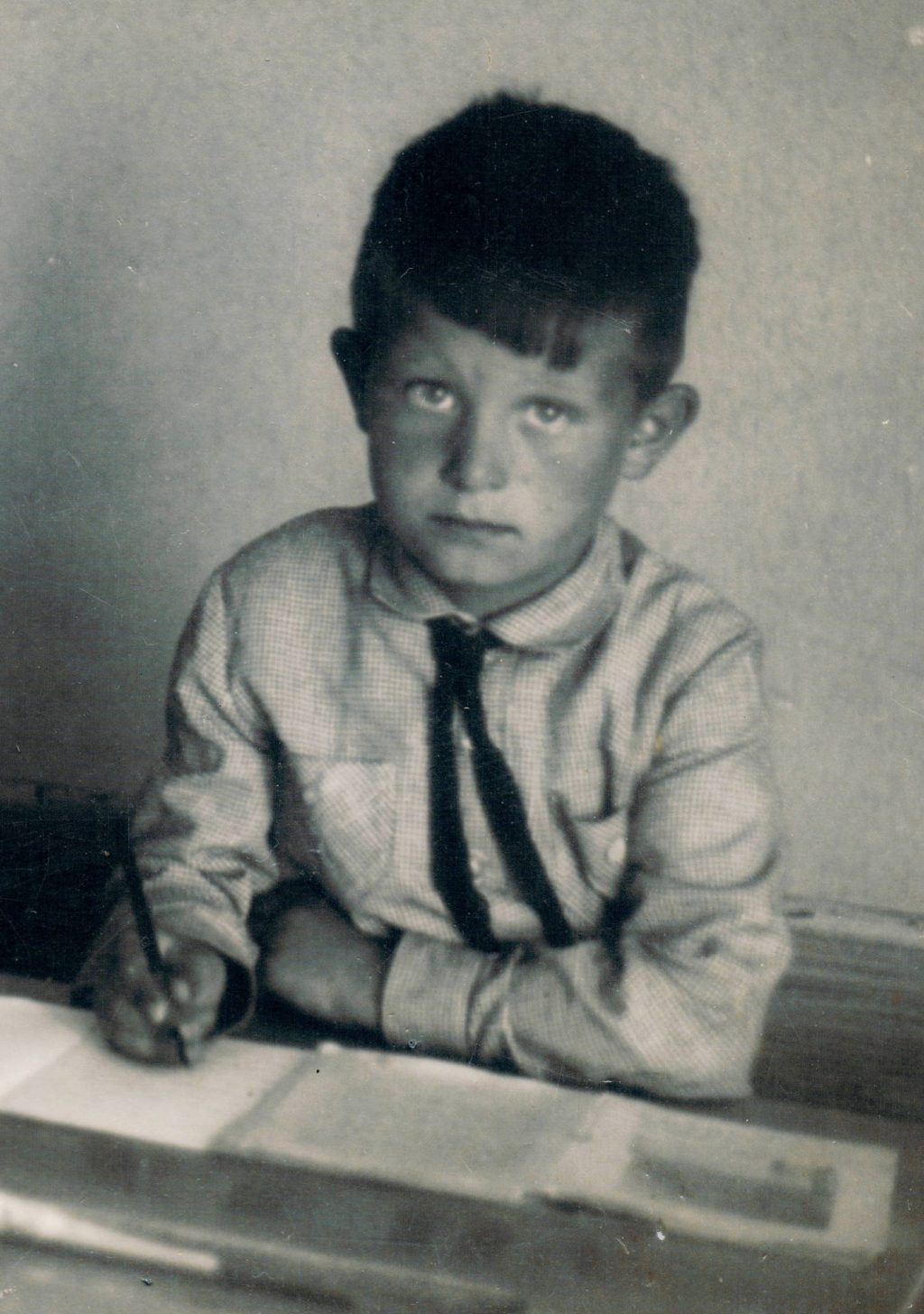
    Jan van Velzen, probably 4 th anniversary

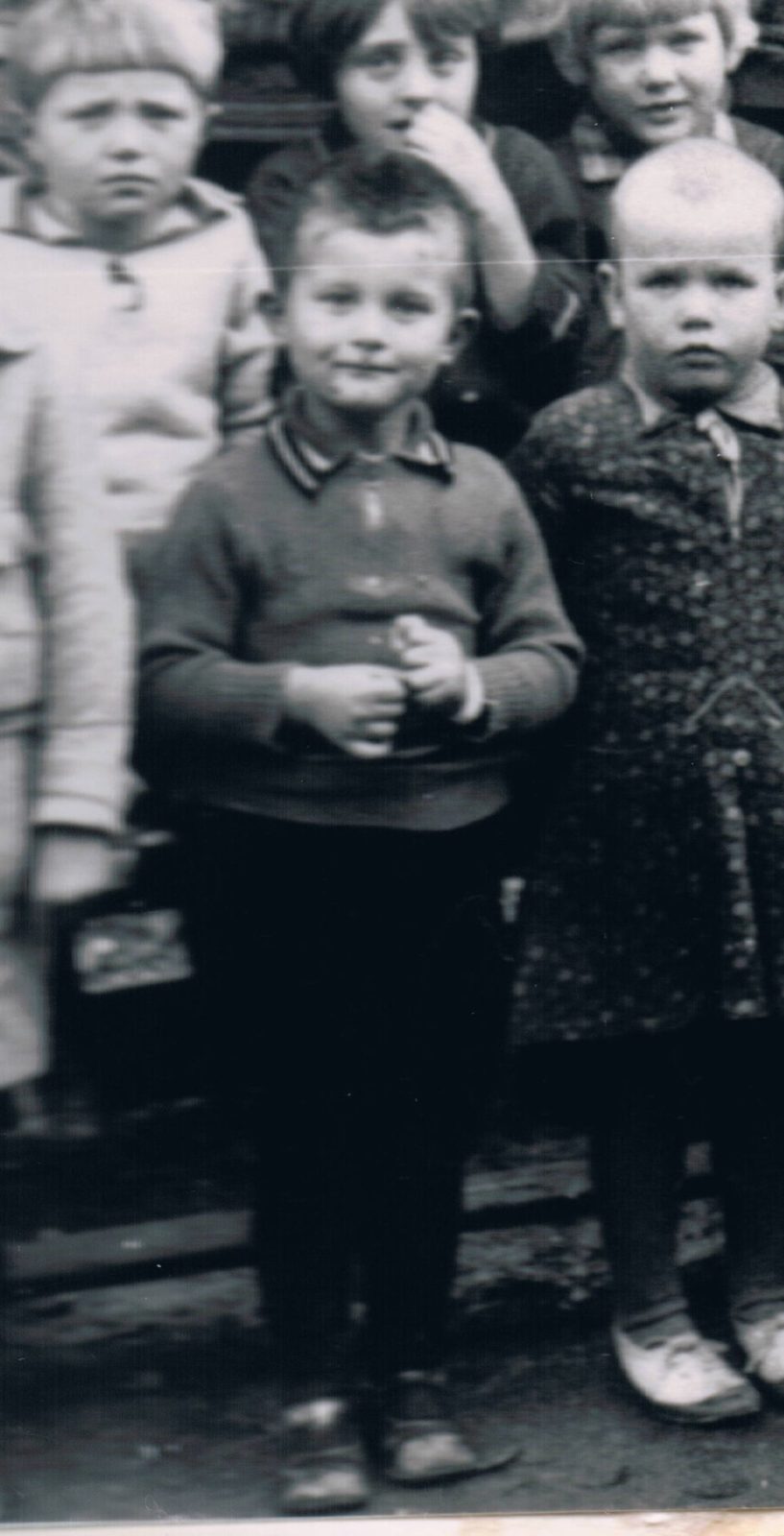
    As a child, Jan was already busy with creative expressions. Sculpting clay dolls or making boats by folding and bending large tin cans to form whole battleships. But whereas I had enjoyed the creative time in kindergarten, he had experienced that same daily grind at the custody school.

    Apparently the "teacher’ had the view that the children just should be kept quiet, because they had to sit still and weave mats, otherwise they had to go into the spider cupboard. To him, weaving mats was one of the symbols of "this is how it should be done and that is how it goes". Awful, because all creativity was suppressed.

    Jannish constructions

    Jan actually didn't feel like becoming a market gardener at all, but his father fell ill and the eldest sons, though still in their teens, had to take over the work. He would much rather have apprenticed to the blacksmith, because he was much more interested in making things from iron with your hands and welding . The blacksmith was regarded with awe by the little boys. His younger brother's legendary answer to the question of what he wanted to become later was "Fat blacksmith Kees Slaman!’

    Jan lived near Slaman's smithy

    It was hard work in the heavy sea clay around Onderdijk and everything was done by hand: digging to sow, digging to harvest and digging two spades deep to prepare the land. Jan hated hopelessness, so his creativity was expressed in all kinds of "Jannish constructions": inventions meant to make everything just that little bit easier. He was therefore one of the first to bring the floor of the barge to the very top, so that you could drive in the wheelbarrow instead of laboriously lifting everything in and out.

    Flippus the Dreamer

    His solutions were not always appreciated. "Jannish constructions’ was not really an appreciative term, and because he sometimes had his thoughts elsewhere, he was also called Flippus the Dreamer at home. He had a somewhat philosophical streak and also spent time observing his surroundings. Looking back, it is also understandable why he was born in that place: for him it was a way to go all the way from heaviness to light, and he was able to bring his light to a time and environment that was mainly focused on survival.

    Injury time

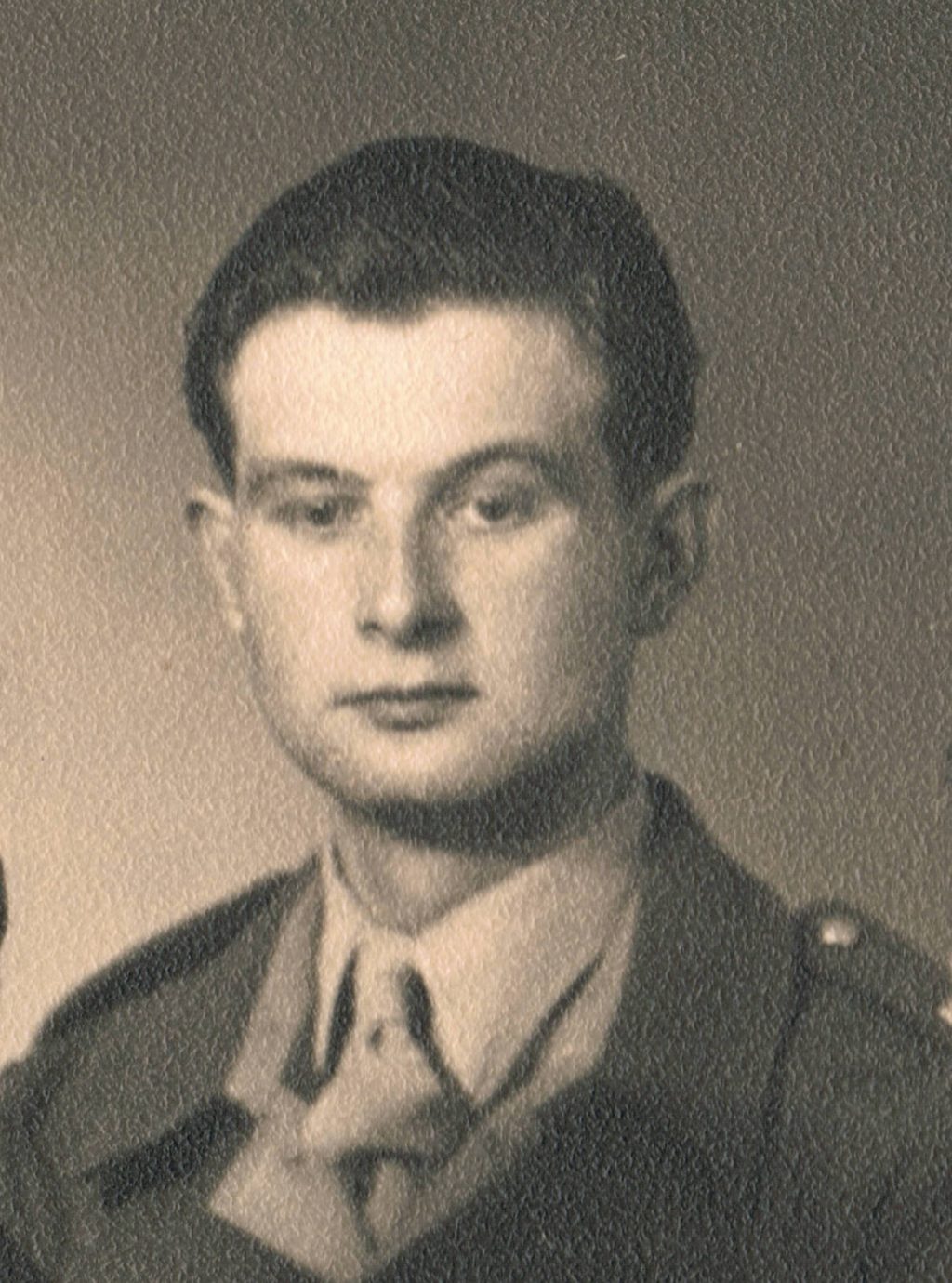
    At the age of 20 his number came up for military service. But the hard work had already had its consequences: he needed surgery to his knees and had to recover in the military hospital. To his horror, the therapy consisted of weaving mats! But in the classroom next to it, modeling lessons were given. At his request he was transferred and there his talent was soon discovered by his instructor. This man even arranged an introduction for him at the art academy in Tilburg.

    I had always understood that it never was followed up because Jan was needed at home and because his mother always said: "Fiddlers and pipers don't go to heaven". But that was not really the biggest deterrent. Last year he told me that he was very shocked by the unkempt figures with long hair and feral beards walking around, and that he had felt very uncomfortable and out of place. But his teacher was very disappointed that he missed out on this opportunity. "Stupid cauliflower shrub!’ the man had called him, probably out of frustration that so much talent was being lost.

    Business partner

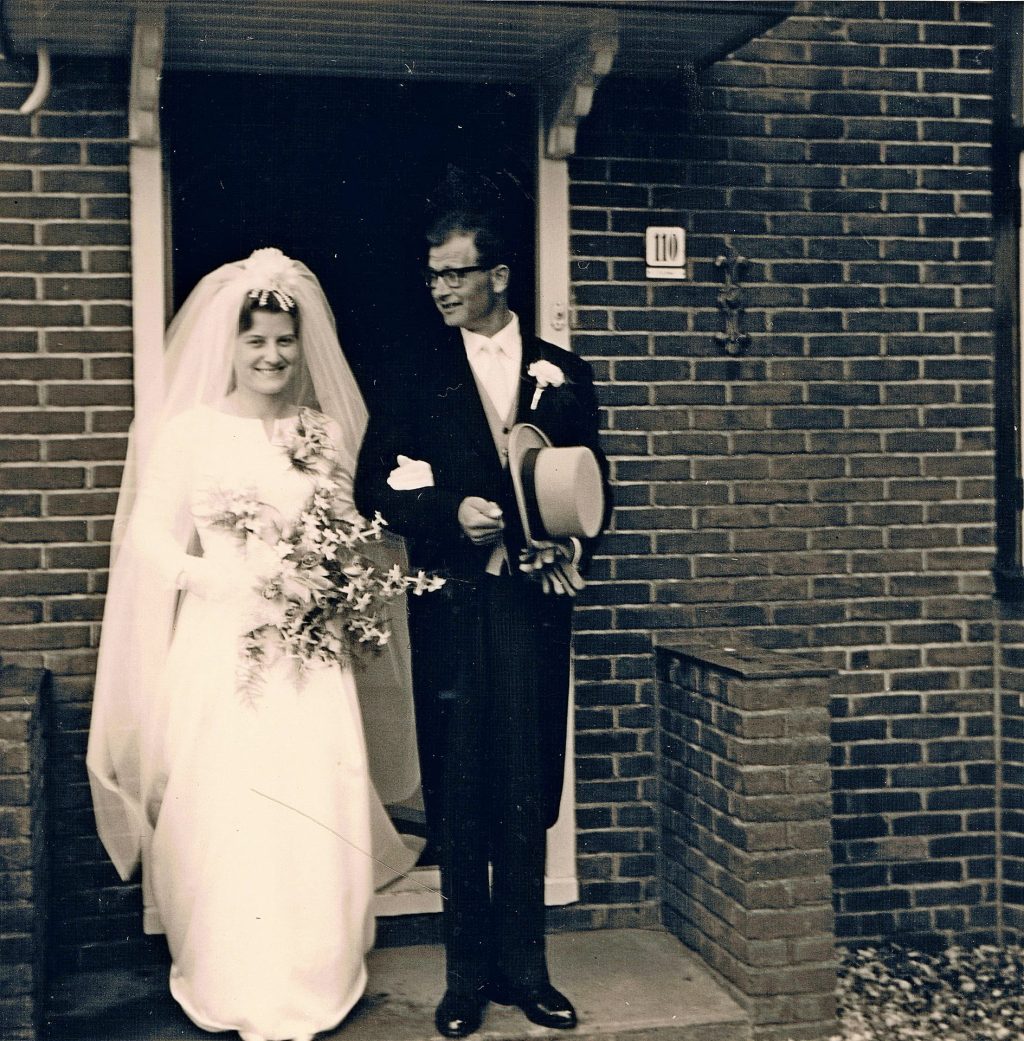
    marriage of Alida Vink with Jan van Velzen
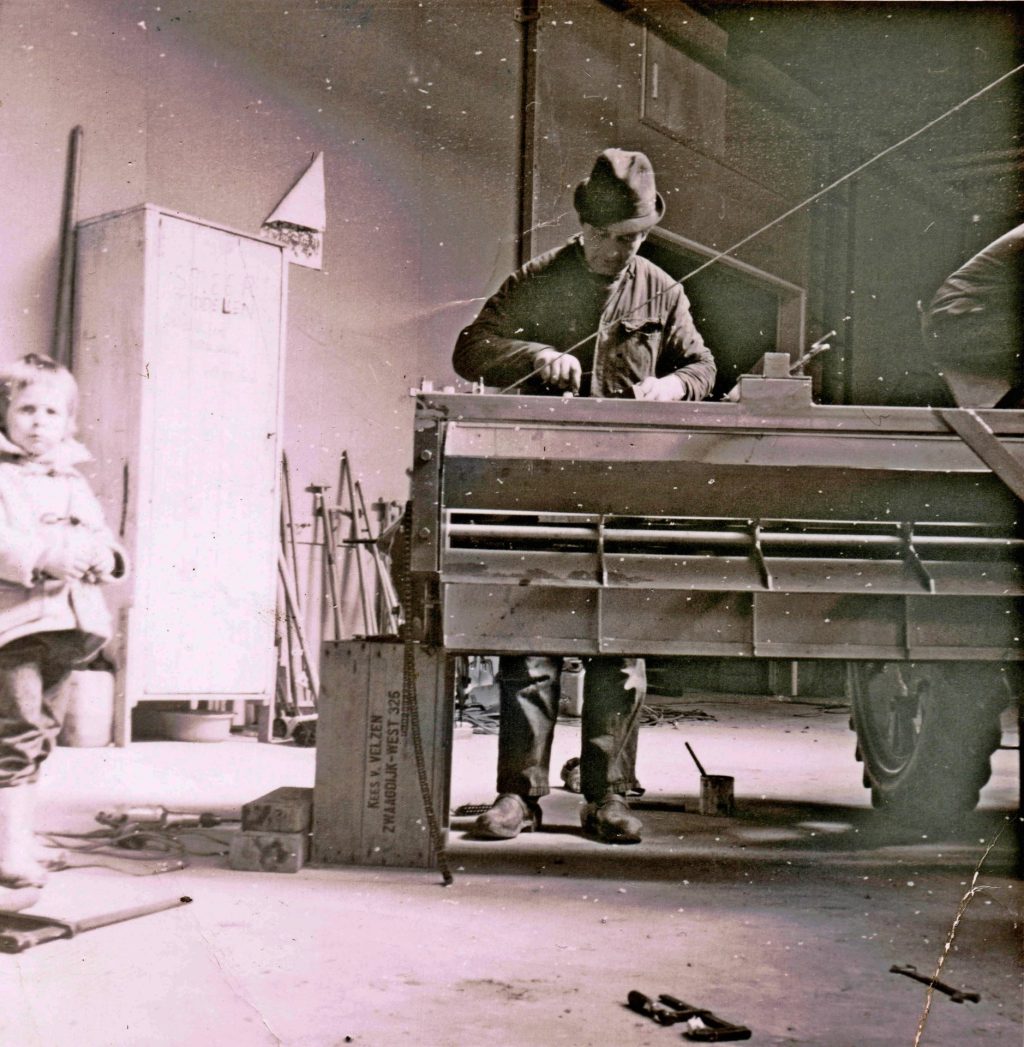
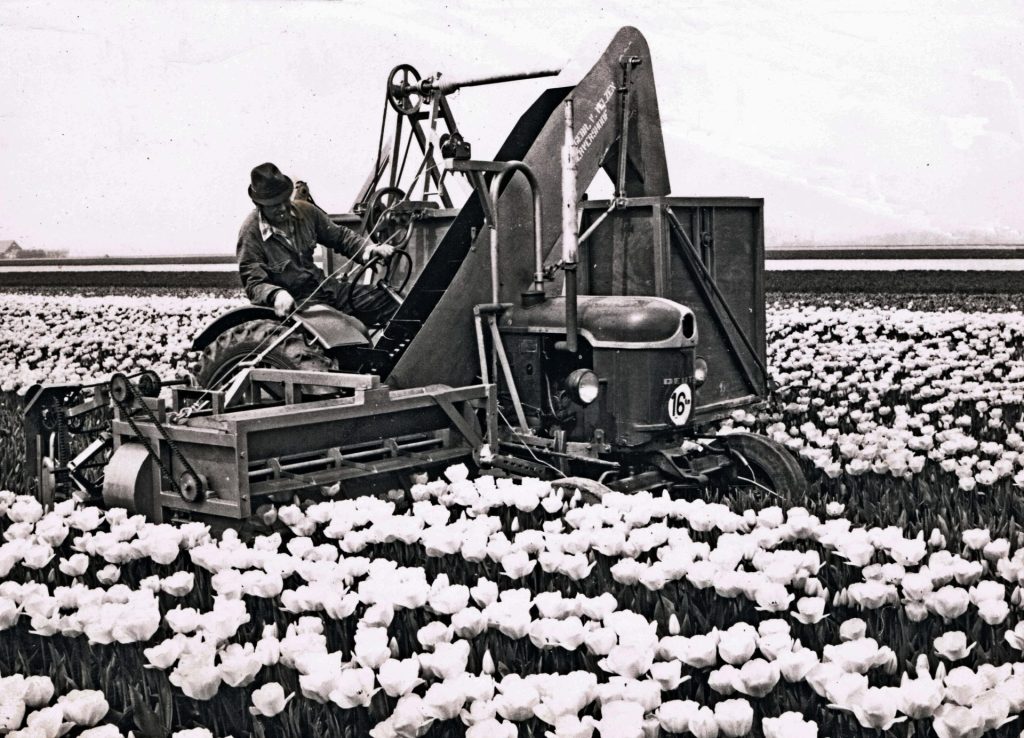
    Jan van Velzen is building a tulip flower cutting machine

    Jan married Alida when he was thirty, a girl from that same village of Onderdijk, in which he recognized something of playfulness and beauty, and of being free from all the conventions of the village. He started his own business, but times had changed. The number of small scale farming businesses declined rapidly and many self-employed people had to work at a factory in the Zaanstreek, going there every day in a van. Jan was looking for solutions with a number of like-minded people and decided to expand considerably with his two brothers. They had also already focused entirely on flowerbulb cultivation for a number of years. He used his creativity in this work as well: he built his own machines for cutting the tulip flowers and for washing the bulbs, and adapted many machines to make them work better.

    Read an earlier article about sculptures by Jan van Velzen here.

    -to be continued-

No more messages to show.

No more messages to show.