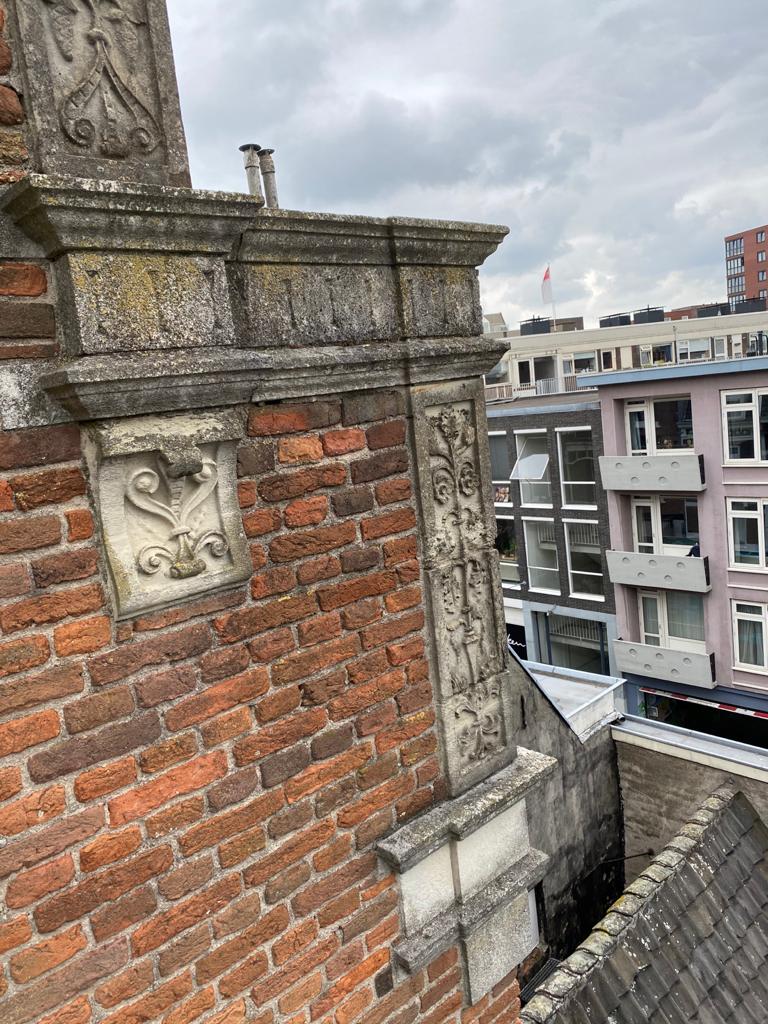
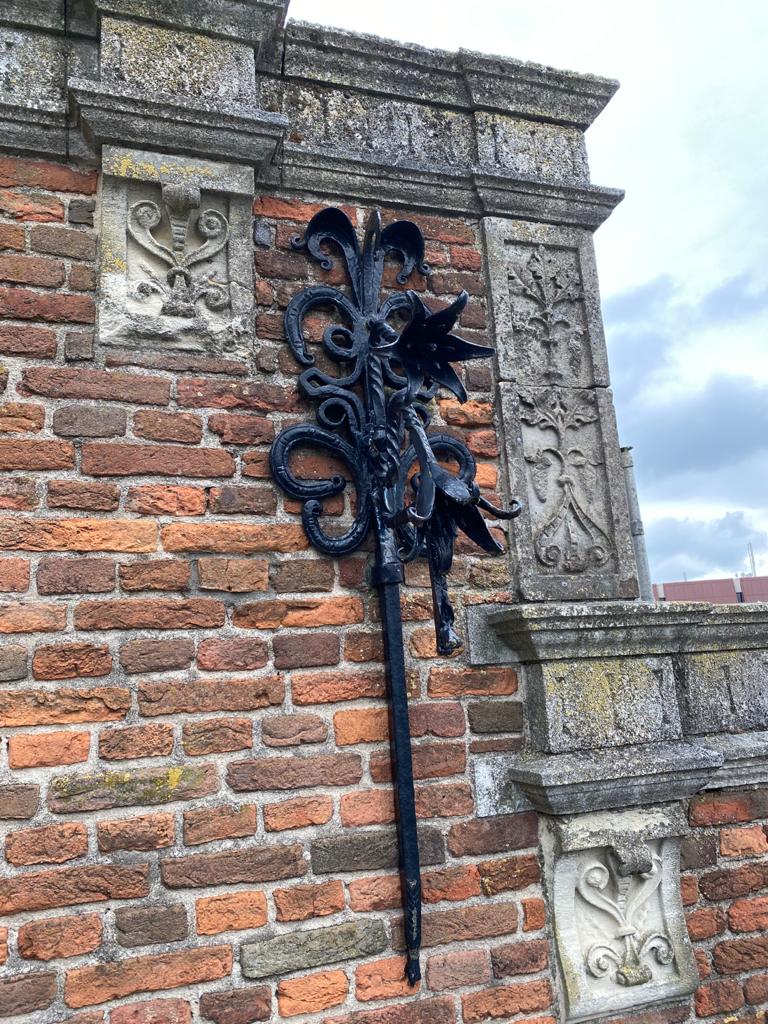
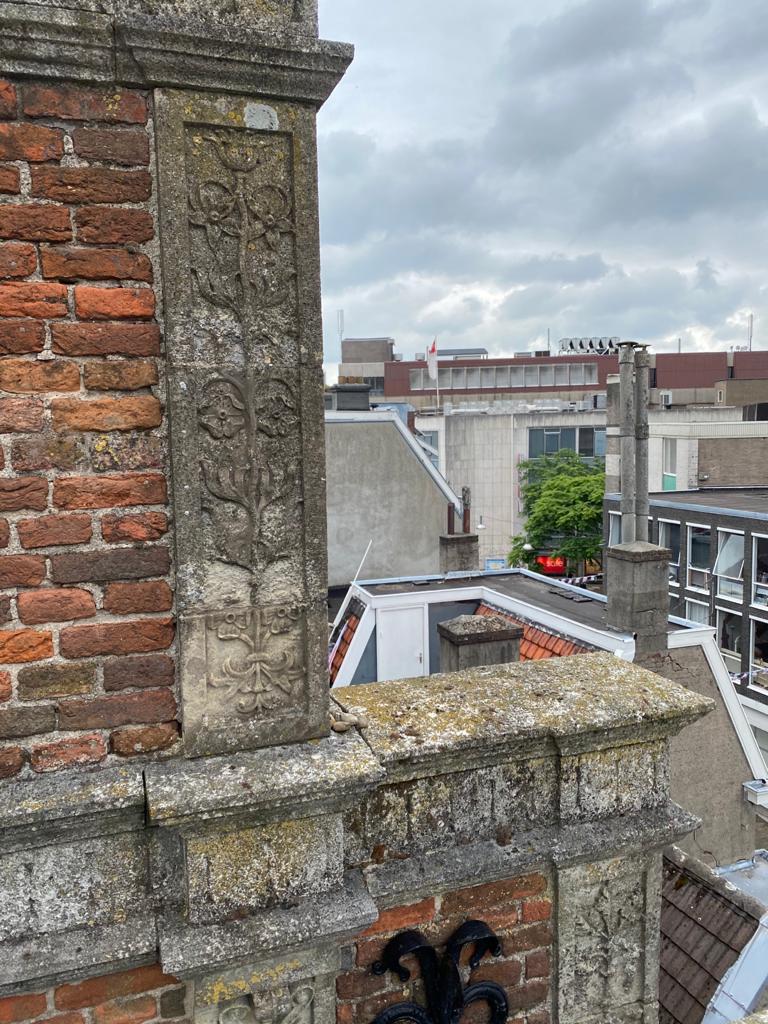
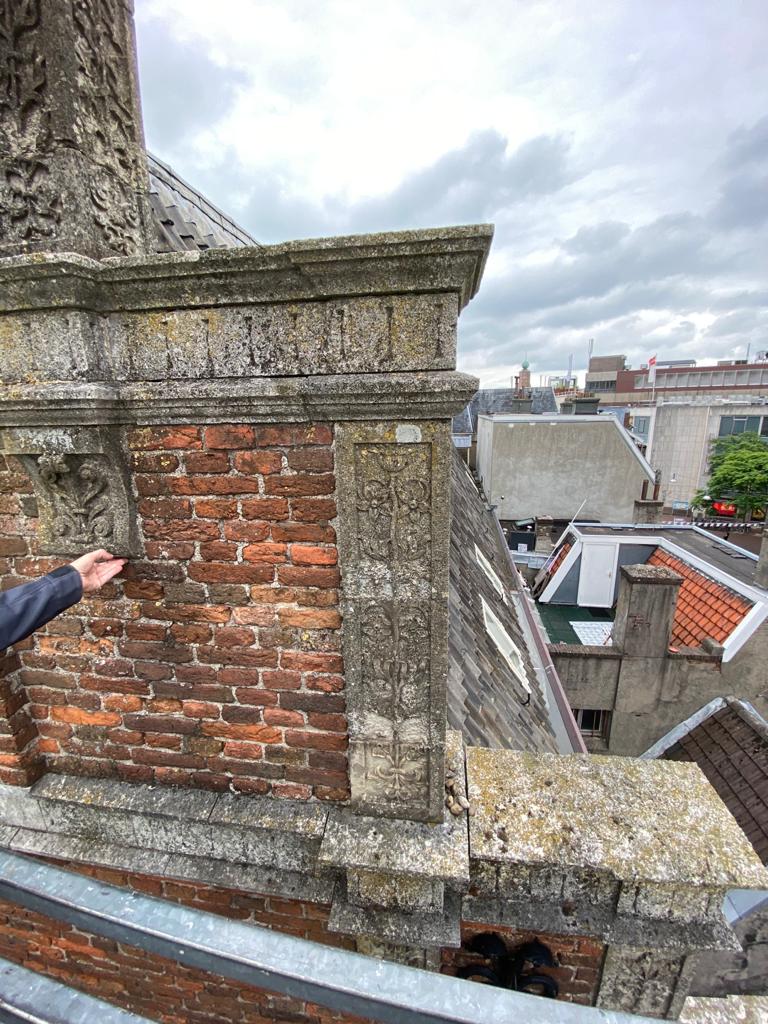
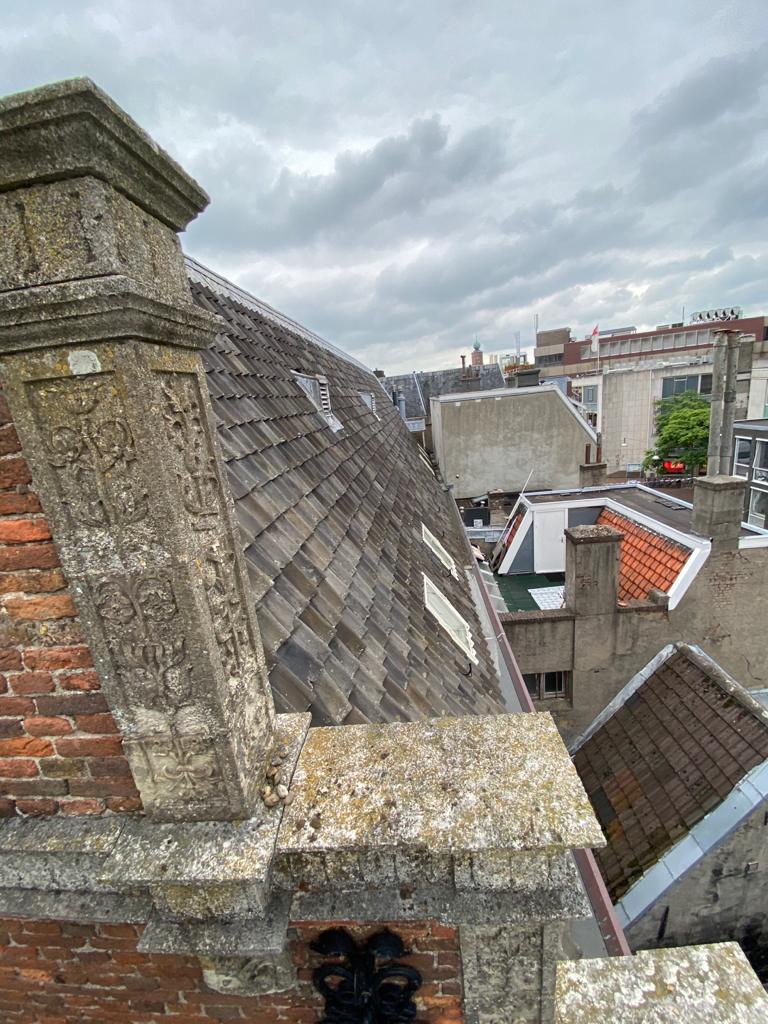
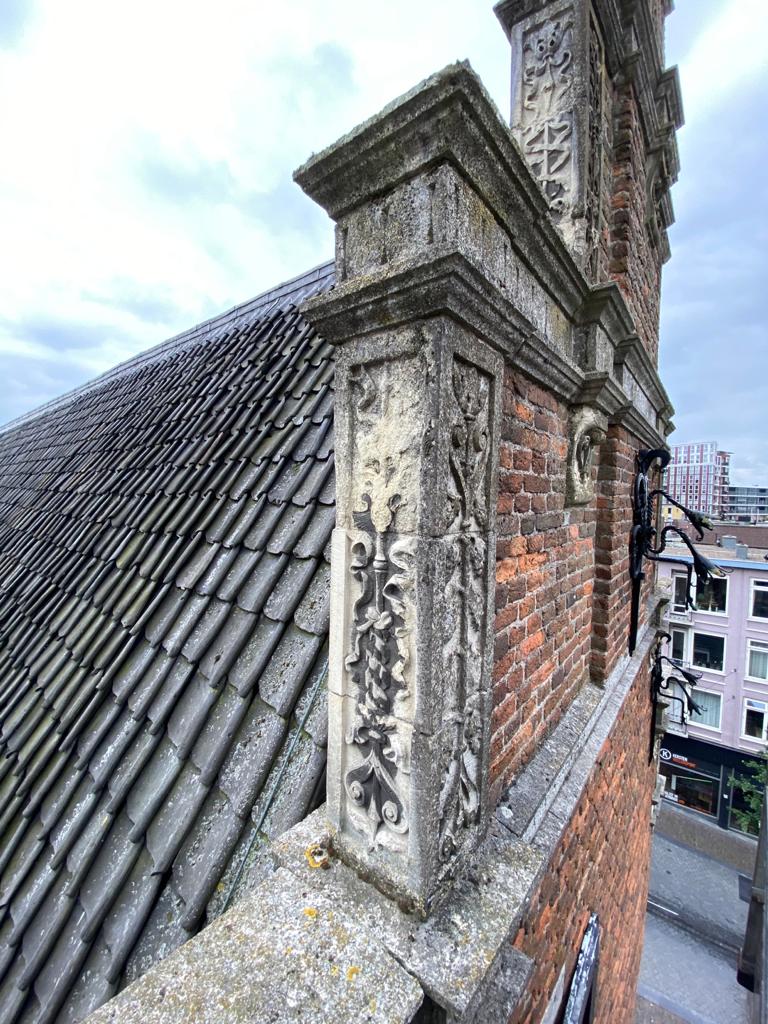
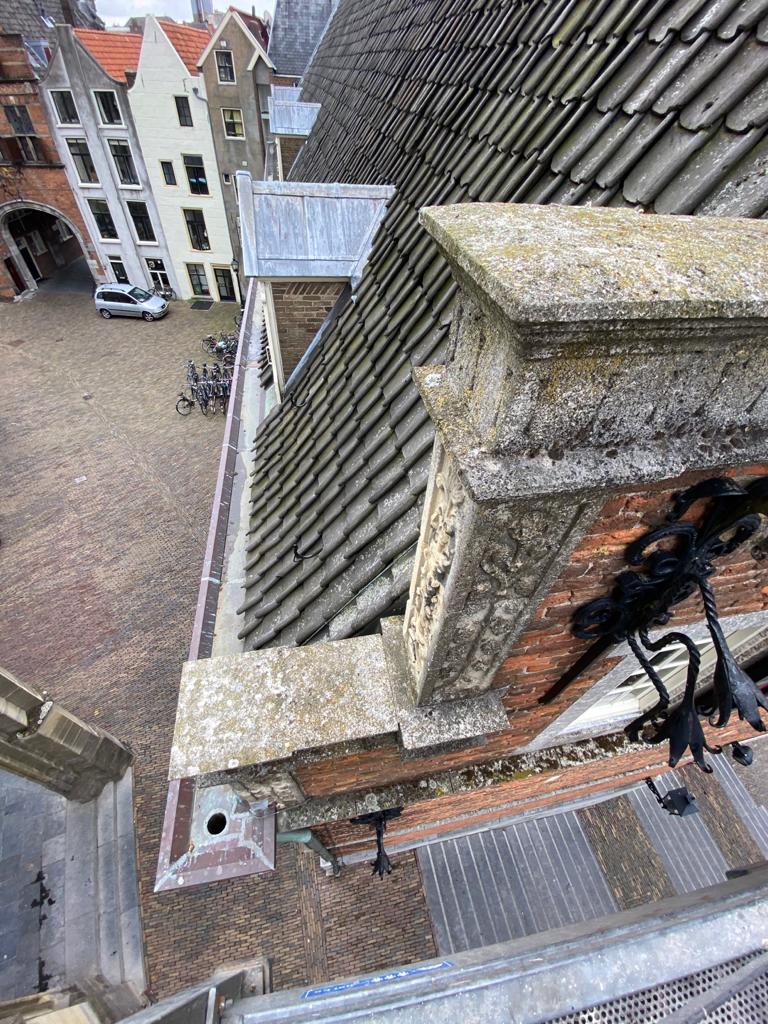
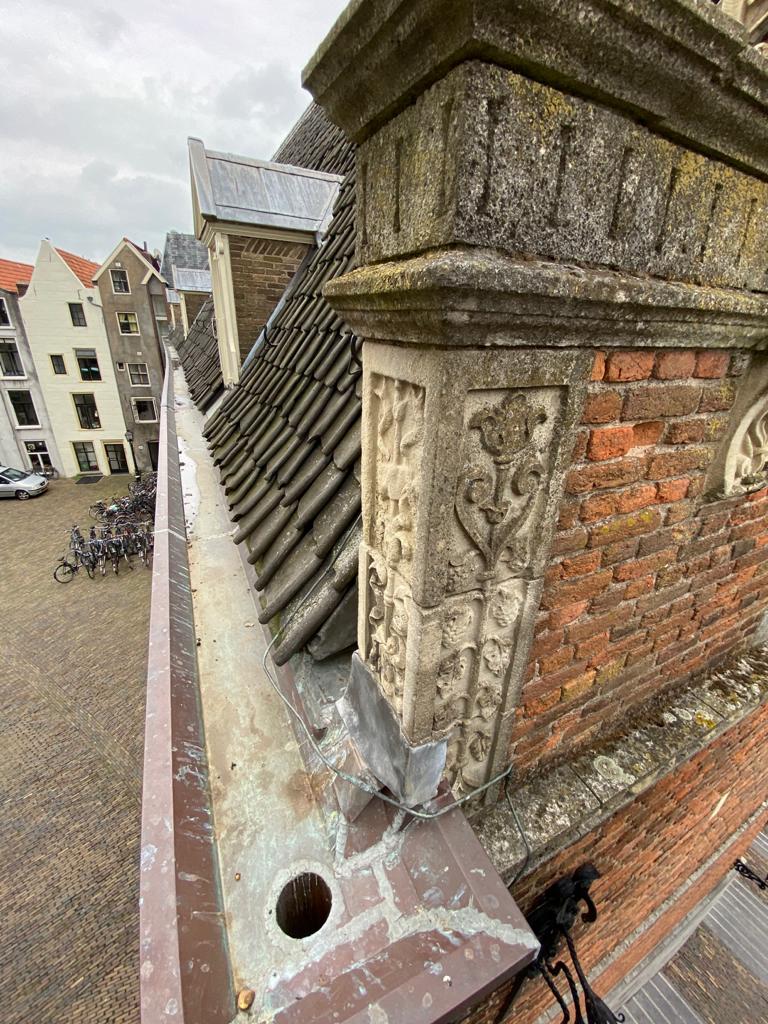
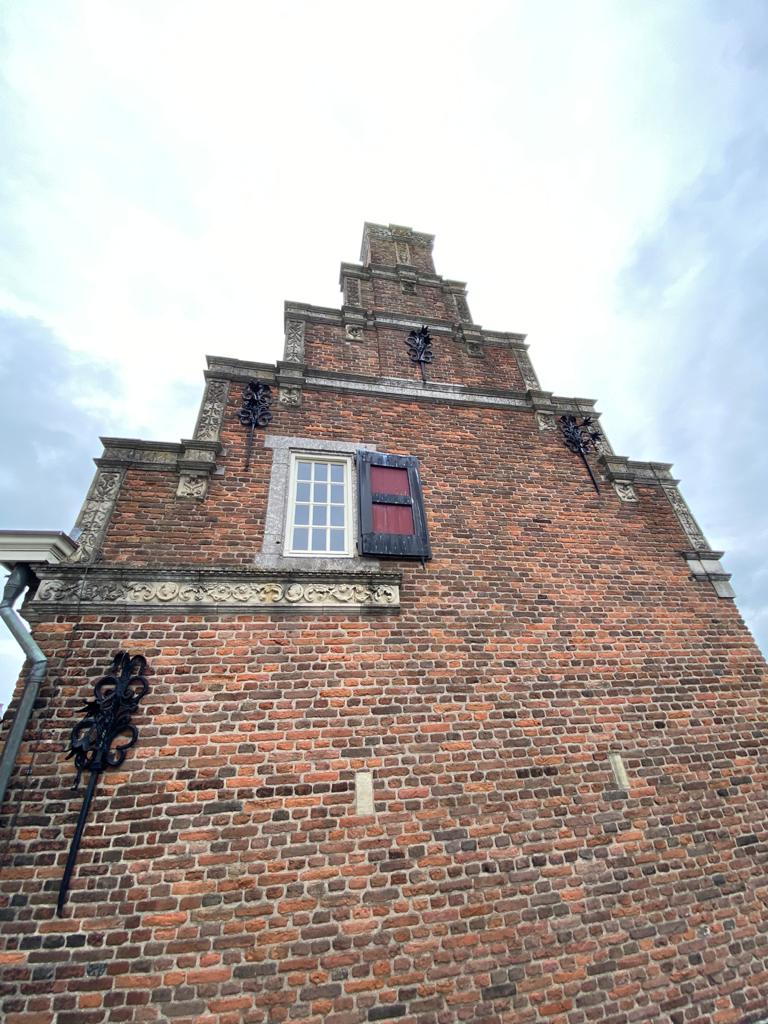
• The stepped gable of the Latin School in Nijmegen

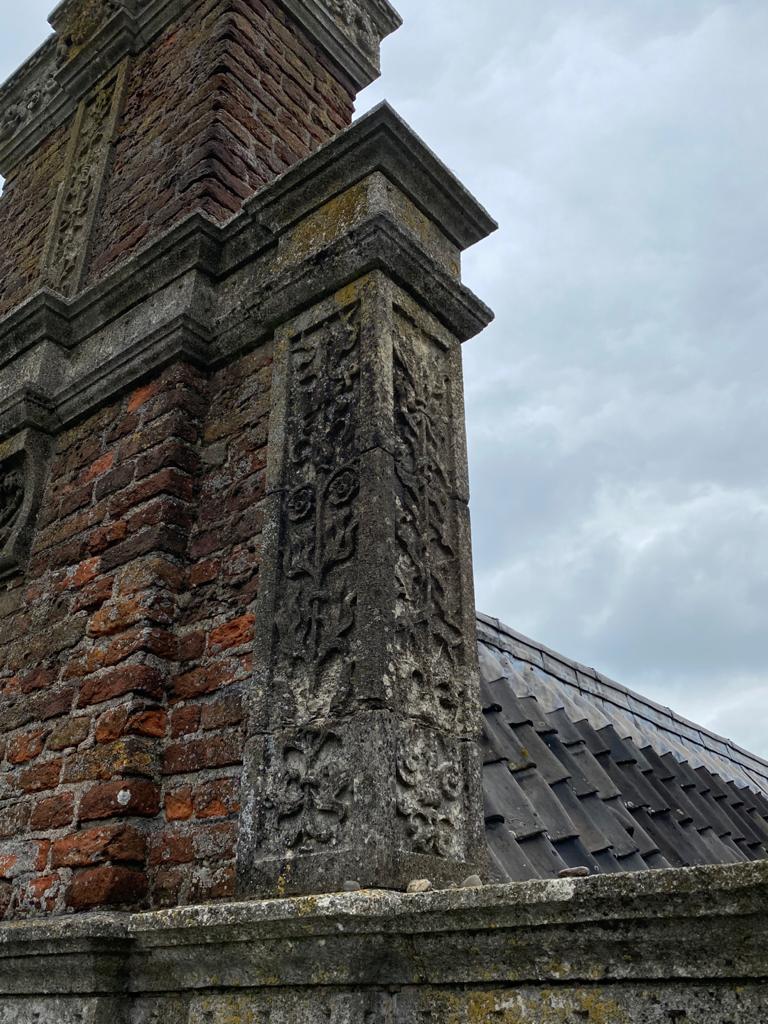
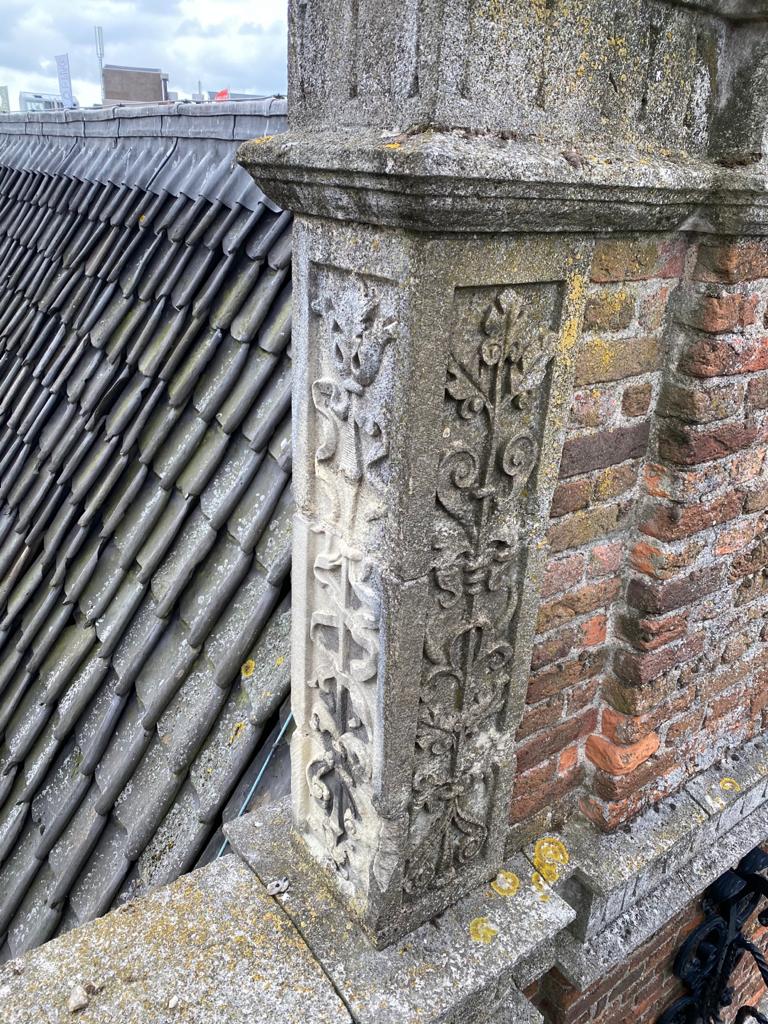
    ornaments in Baumberger stone for the Latin School in Nijmegen

    A Hasty Rush and still doing a proper job

    This was another such case of 'it has to be ready before Christmas'. Only those who took on the job were already terribly busy with all kinds of other projects and they actually couldn't find anyone other than Jelle and I to help out.

    ornaments in Baumberger stone for the Latin School in Nijmegen

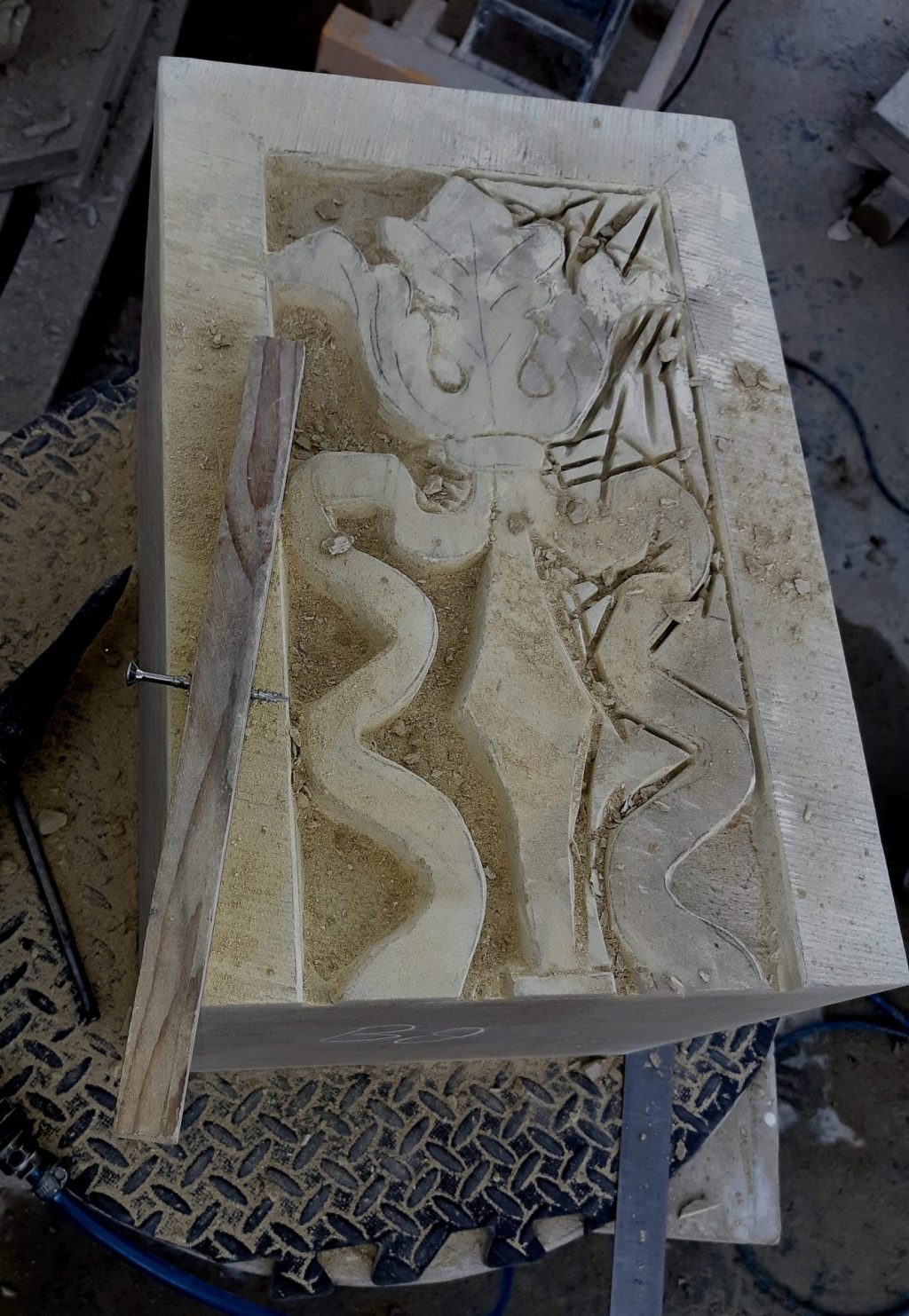
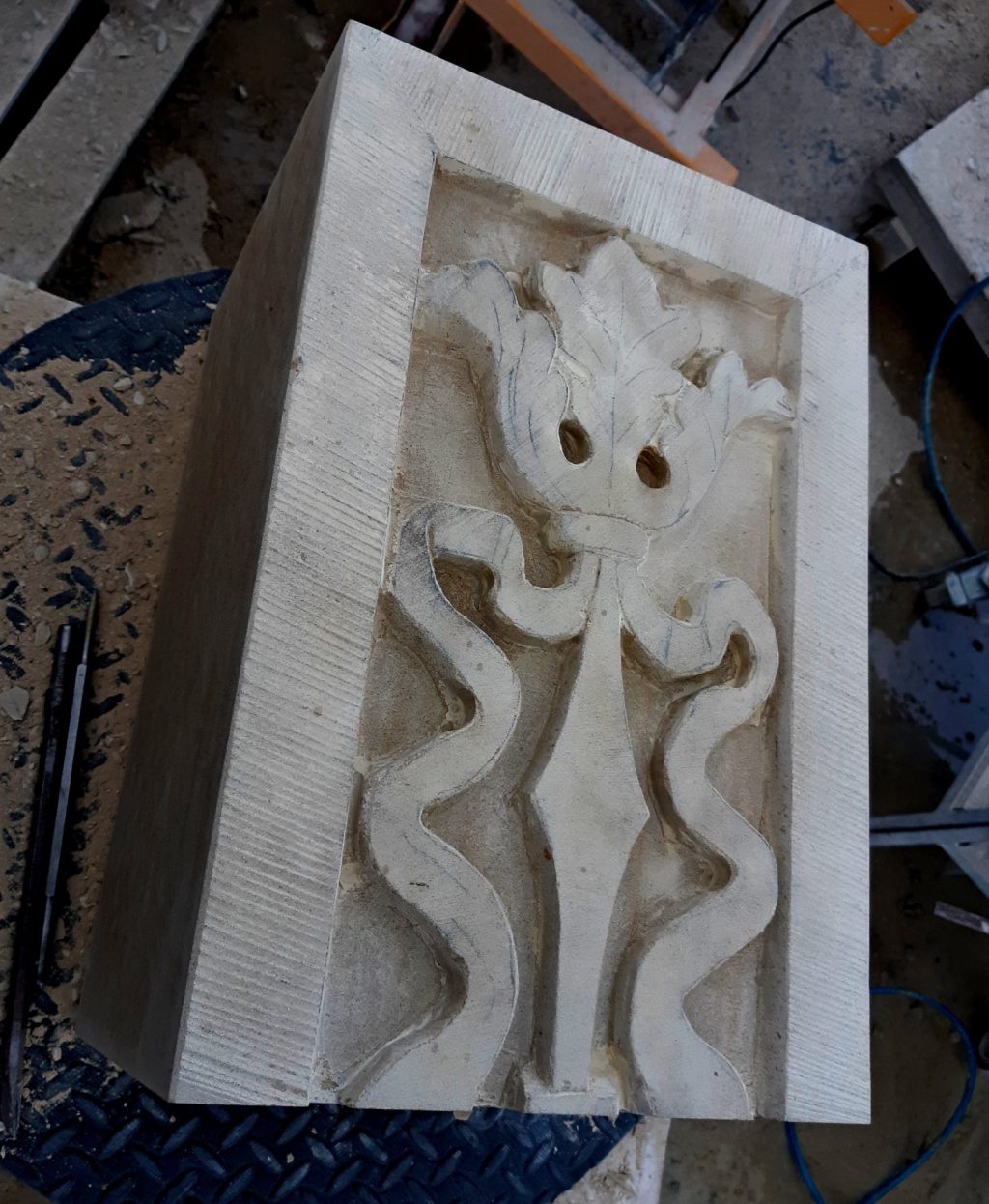
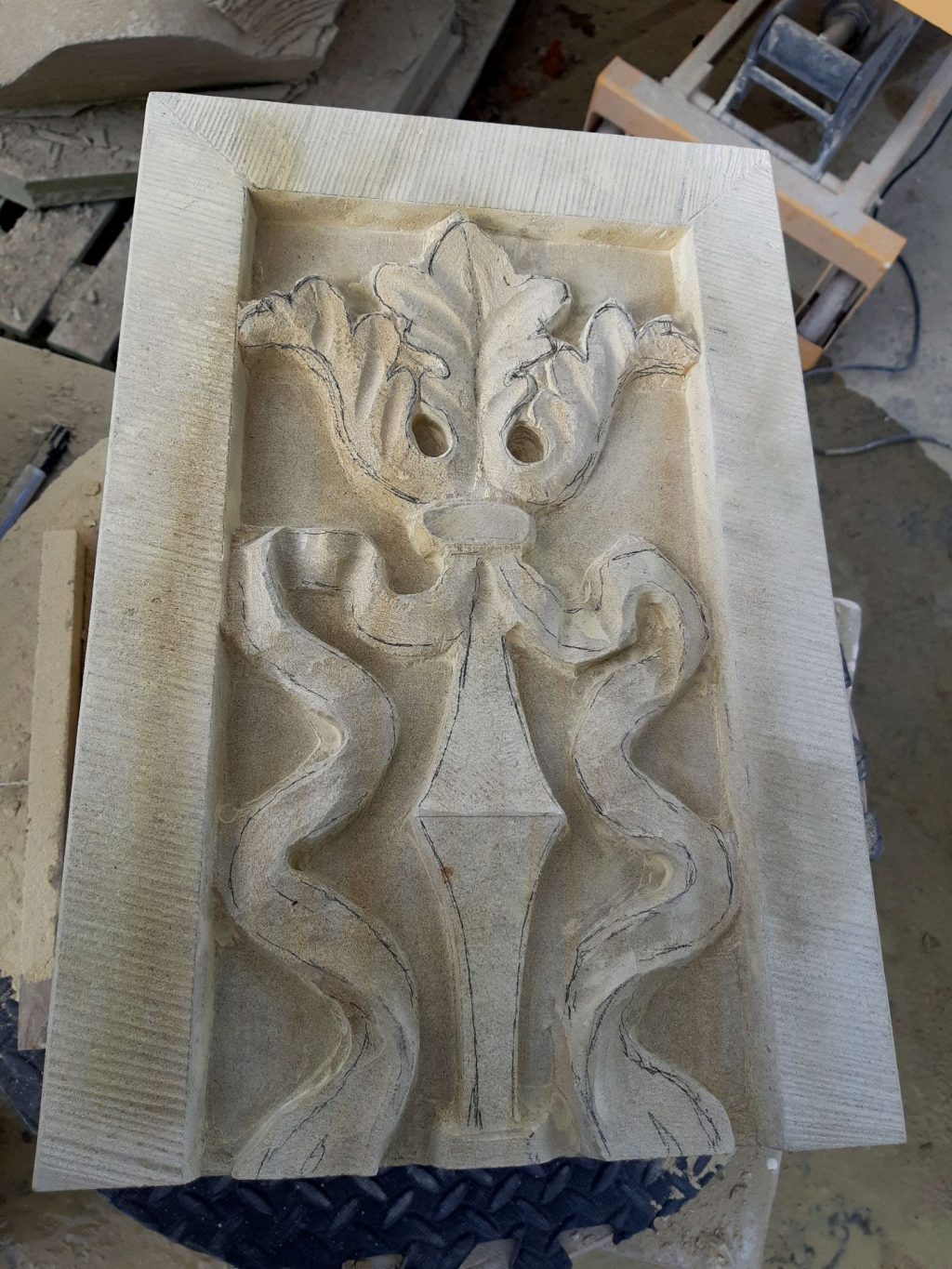
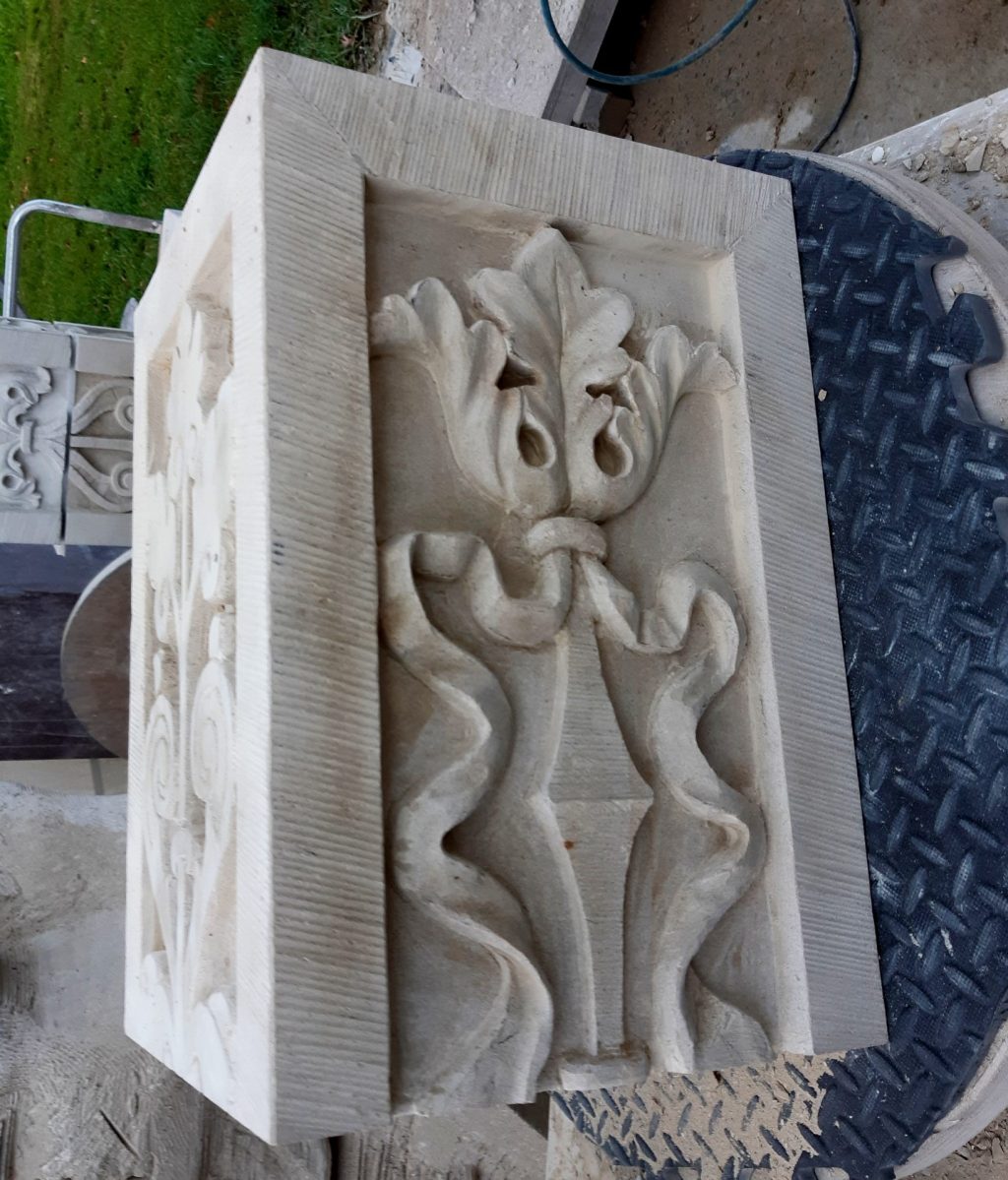
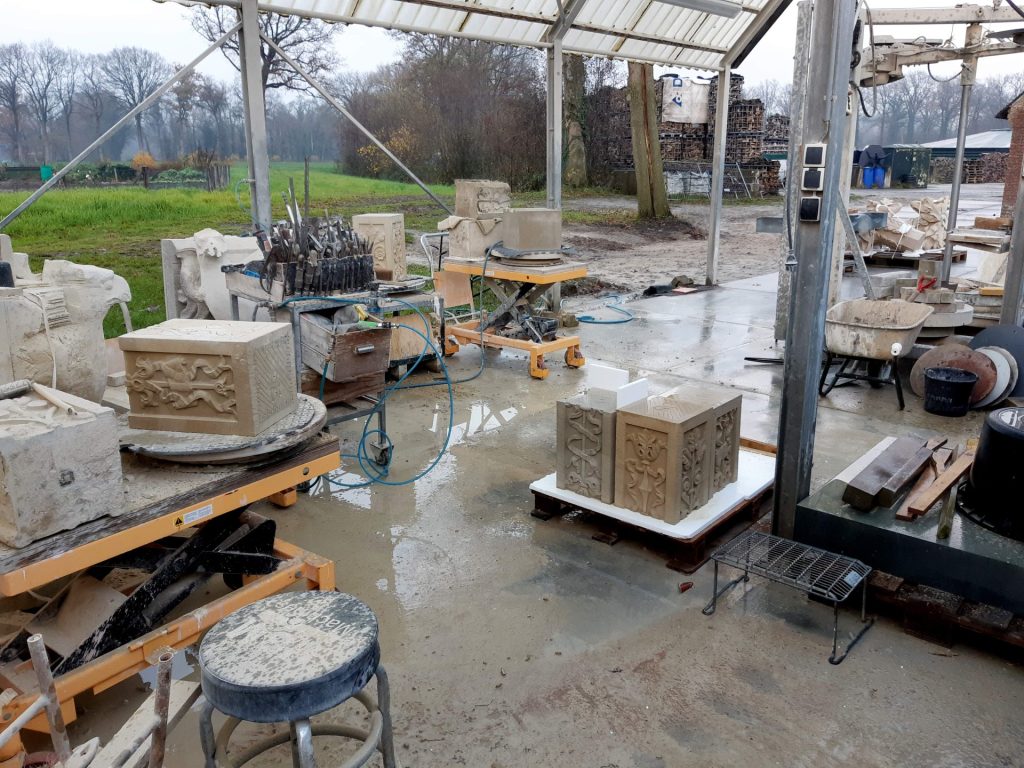
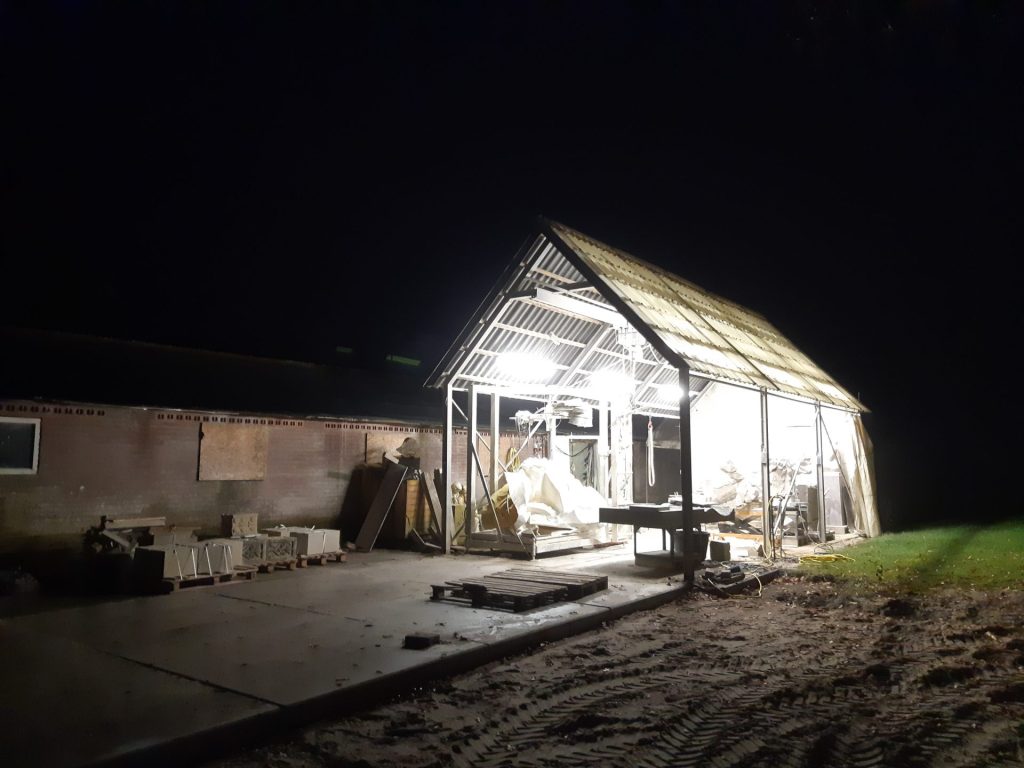
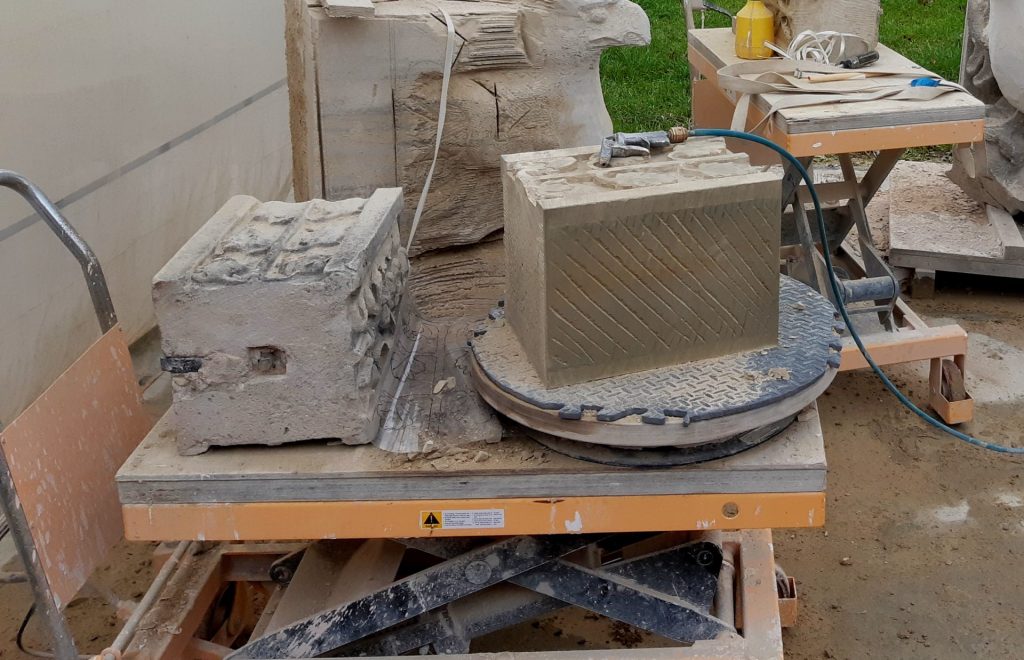
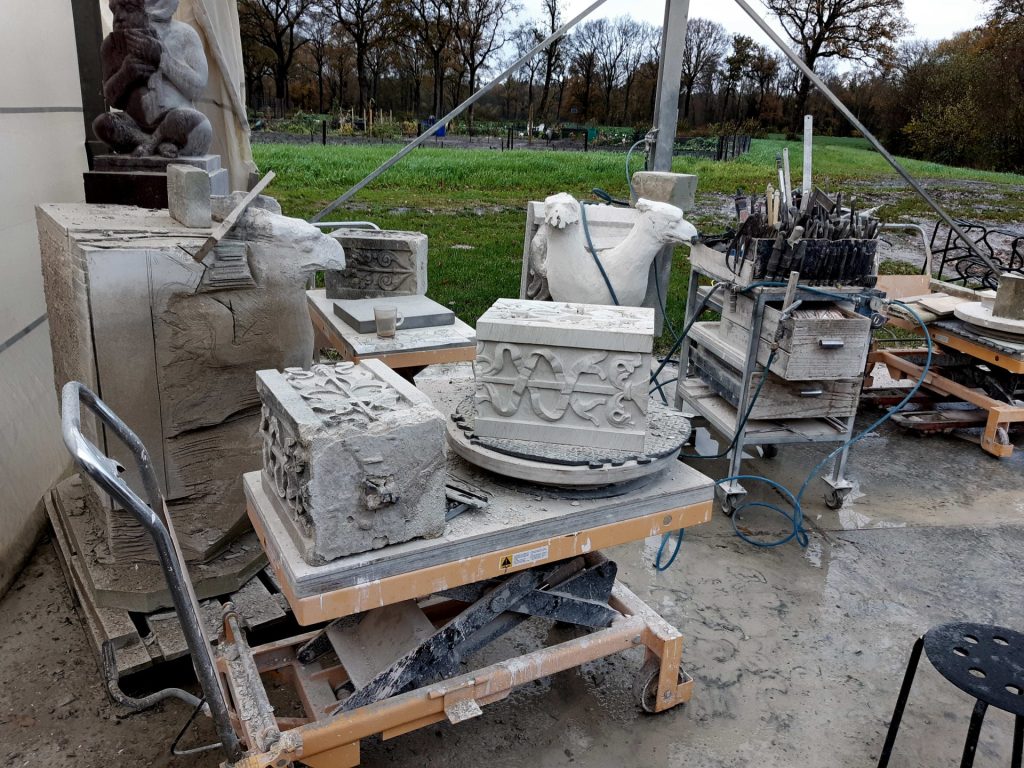
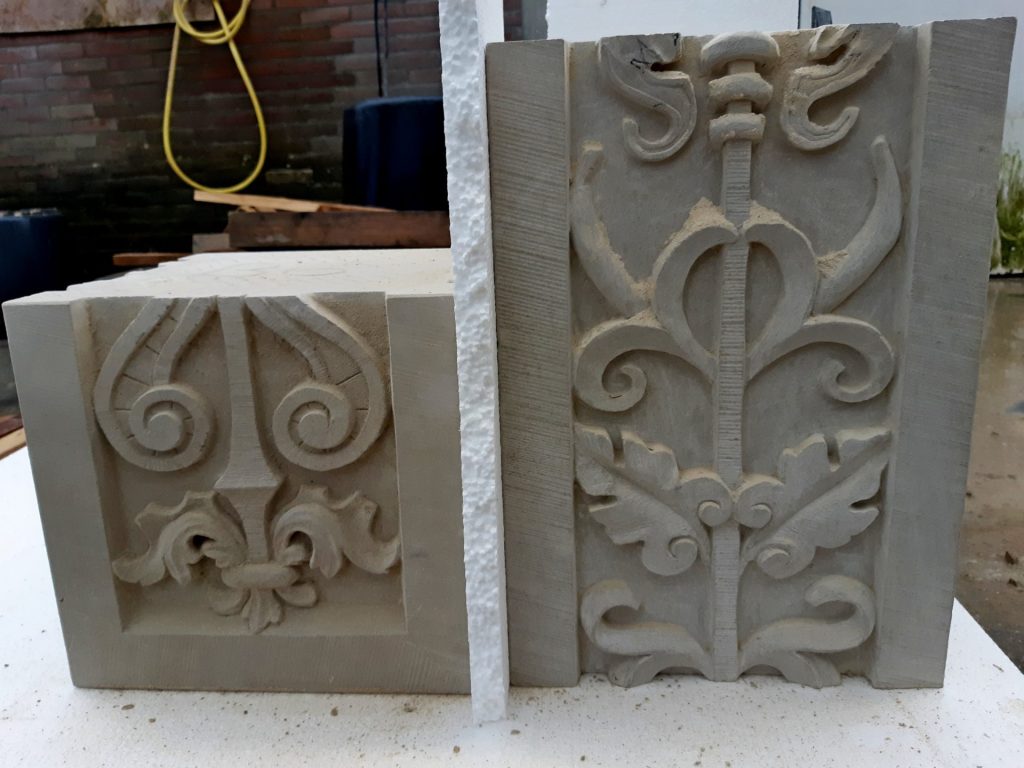
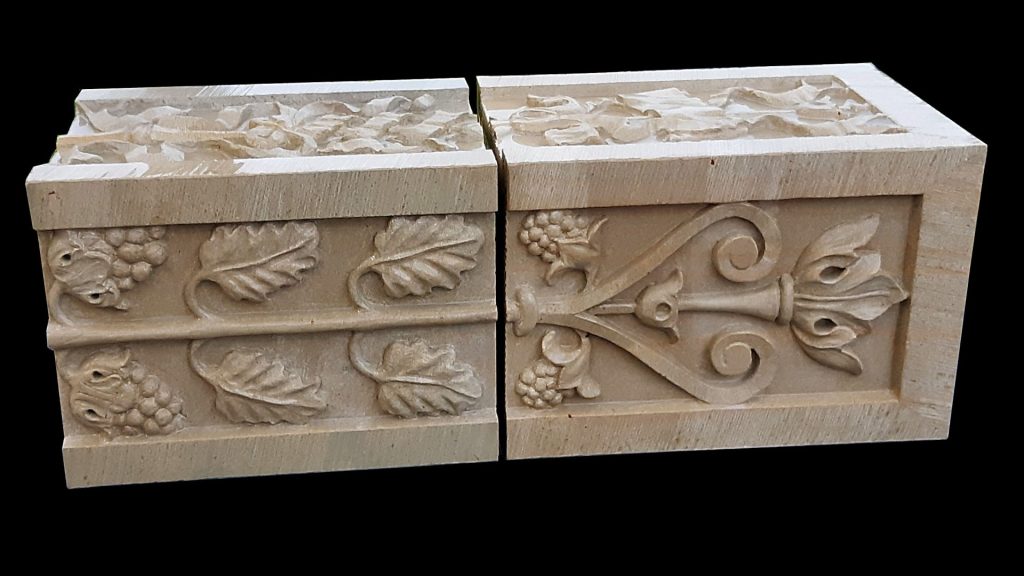
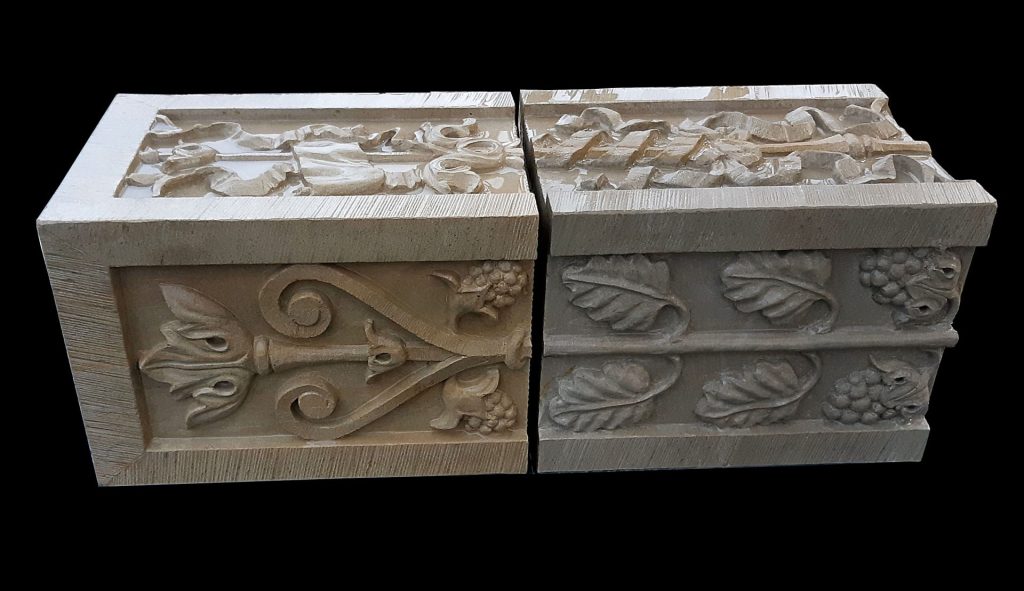
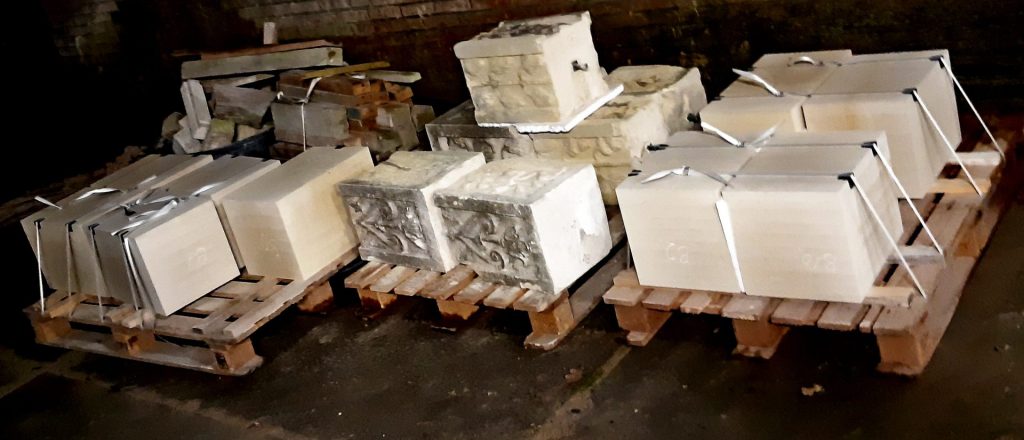
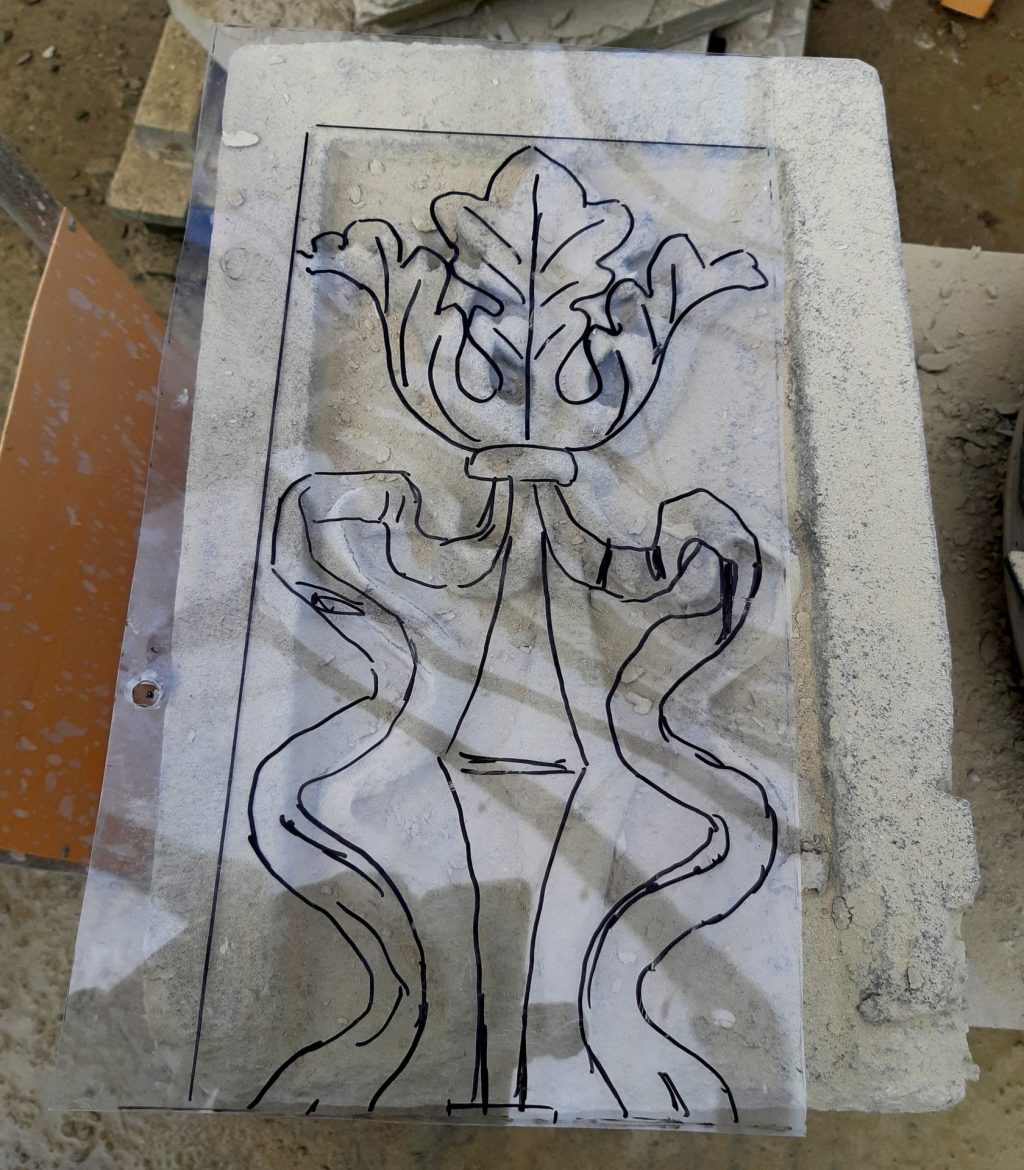
    And so ten blocks of ornamental work from the Latin School came our way. Fortunately, colleague Serge also wanted to take care of a few blocks, otherwise we would not have made it all. Each block has three carved sides so just check, 30 processed sides that is a good number of weeks of work.

    Dutch Renaissance

    ornaments in Baumberger stone for the Latin School in Nijmegen

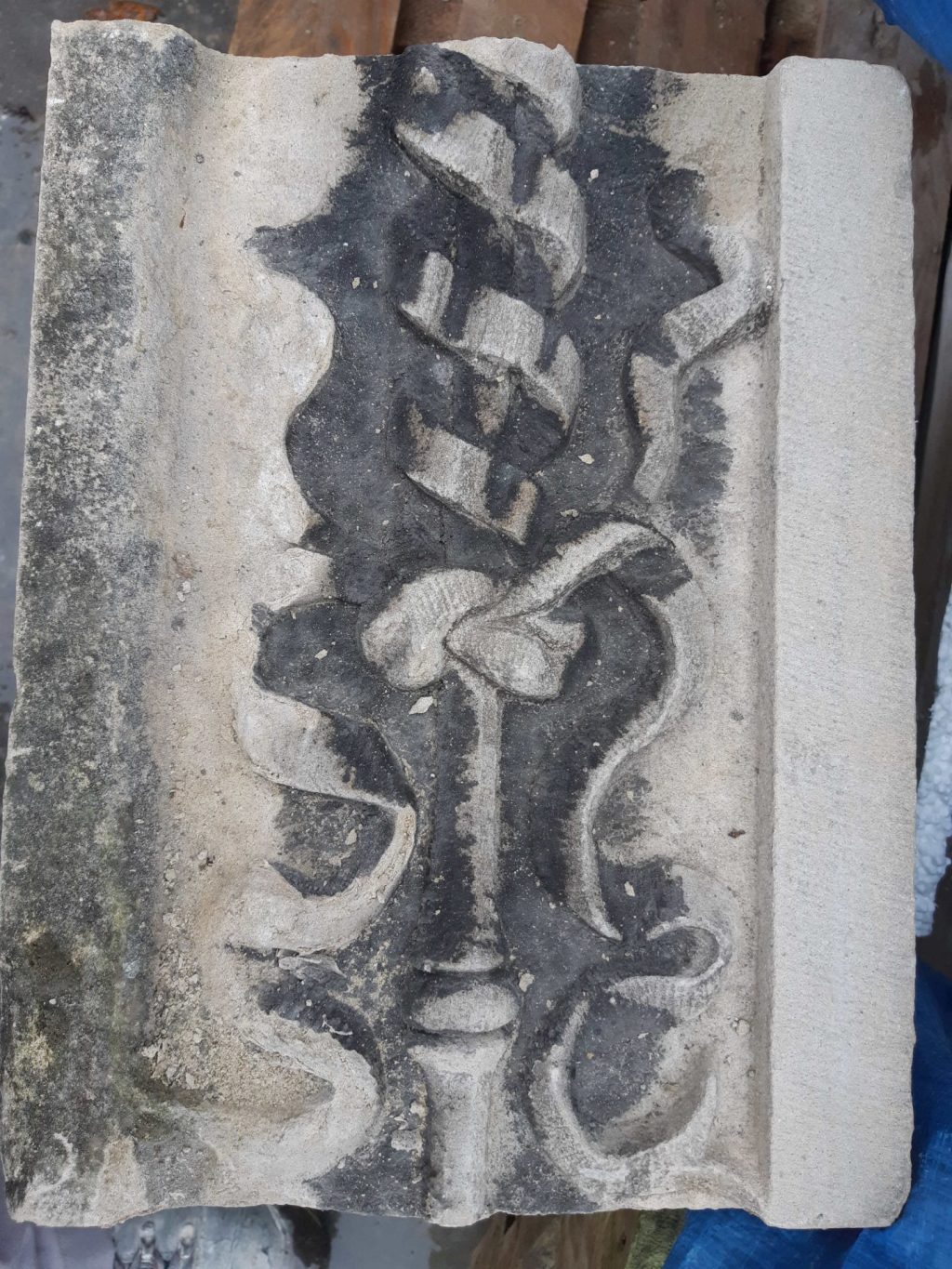
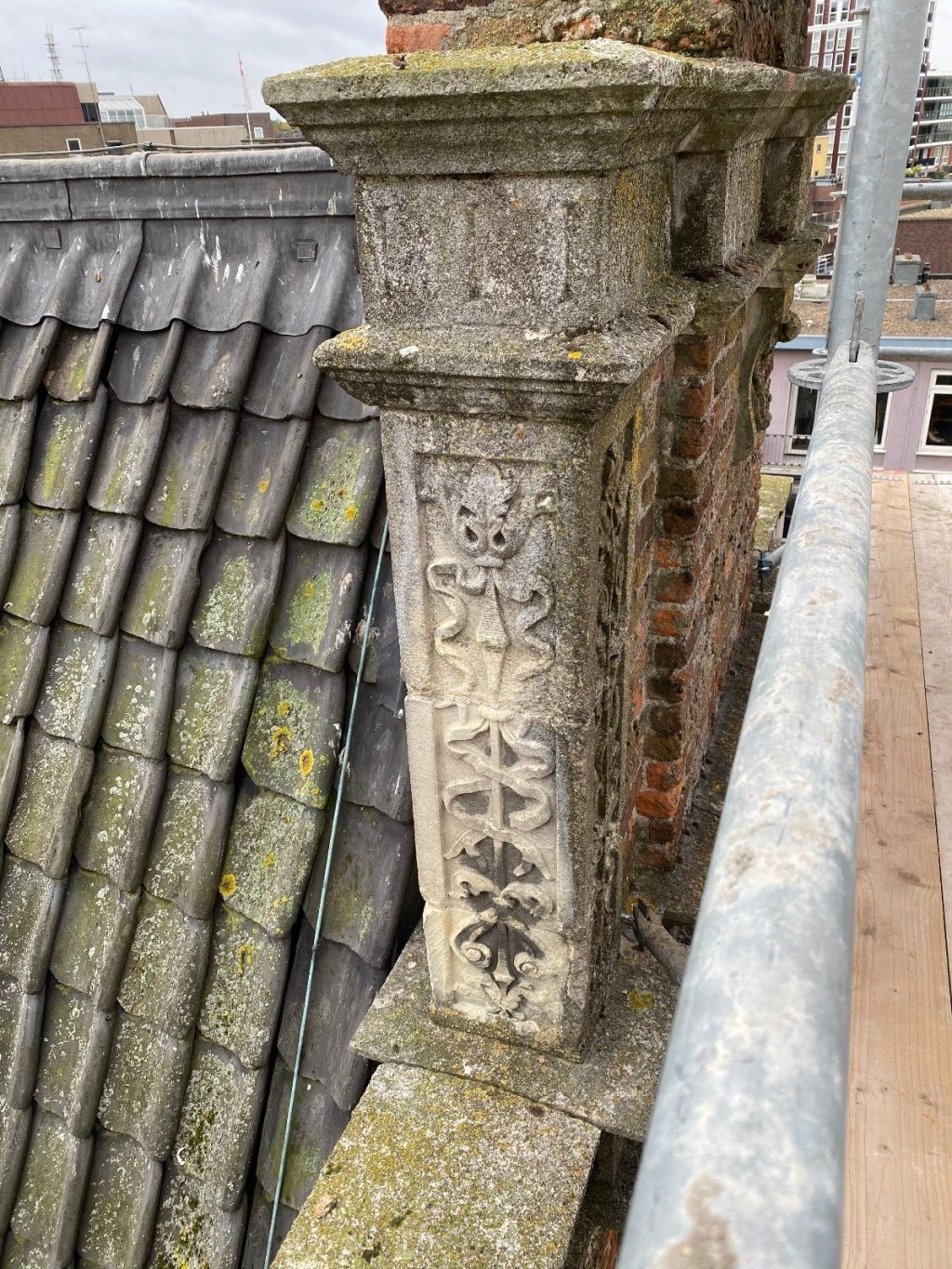
    It is interesting to carve these things, because much of it has disappeared through weathering and then you just need to reconstruct what was there. Fortunately, one can usually trace a part over from other blocks, and as this is made in the style of the Dutch Renaissance, some examples of it were still in my head. Flowers, leaves, stems and ribbons and a few fruits. Botanically it's really a mess, for a plant with oak leaves bears chrysanthemum flowers and pomegranates, but it is a lot of fun to make. If only there wasn't that much pressure on it!

    block numbering Latin School

    But we got it done in time. As it always goes with these things you get the hang of it over time and then the second one goes a lot faster than the first, the third even more quickly, and that's how you get the knack for it. Jelle and Serge, in addition to their other duties, could complete two blocks each and I did the other six.

    Latin School

    ornaments in Baumberger stone for the Latin School in Nijmegen

    These blocks are intended for the stepped gable of the Latin School in Nijmegen. They flank the stepped facade, and are covered by horizontal parts, some of which also contain ornamental work. This Latin School is not unknown to me. In 2015 Stide and I spent several months working on the South Portal of St. Steven's Church, which is opposite it. Then we also made a quote for copying the statues of the Latin School, but another company with a robotic milling machine had submitted a lower price. Because they didn't have enough sculptors to do the end carving, Serge and Stide have been finish carving those statues in Obernkirchener sandstone. In the video below you can see Stide cutting away a block of sandstone from under Apostle Thaddeus with my chainsaw . He still had to get to know the saw a bit, but it was a handy way to get rid of a large block.

    Baumberger stone

    ornaments in Baumberger stone for the Latin School in Nijmegen

    These sculptures were carved in Baumberger stone in the 1960s by sculptor Giuseppe Roverso from Nijmegen. He probably also provided this ornamental work. The copies of the sculptures from 2016 were made in the much stronger Obernkirchener sandstone, because Baumberger only lasts for about 70 years. Why a different type of stone was not chosen for these blocks as well is a mystery to me. Yes, it does fit with the historical use of materials, but unfortunately it doesn't last very long outside if you don't paint it. We'll see how they will keep up. Despite all the haste, it was a very nice assignment to make.
  • Large finials for the Dom tower of Utrecht

    finials for the dom tower of Utrecht

    Our first work on the Dom Tower

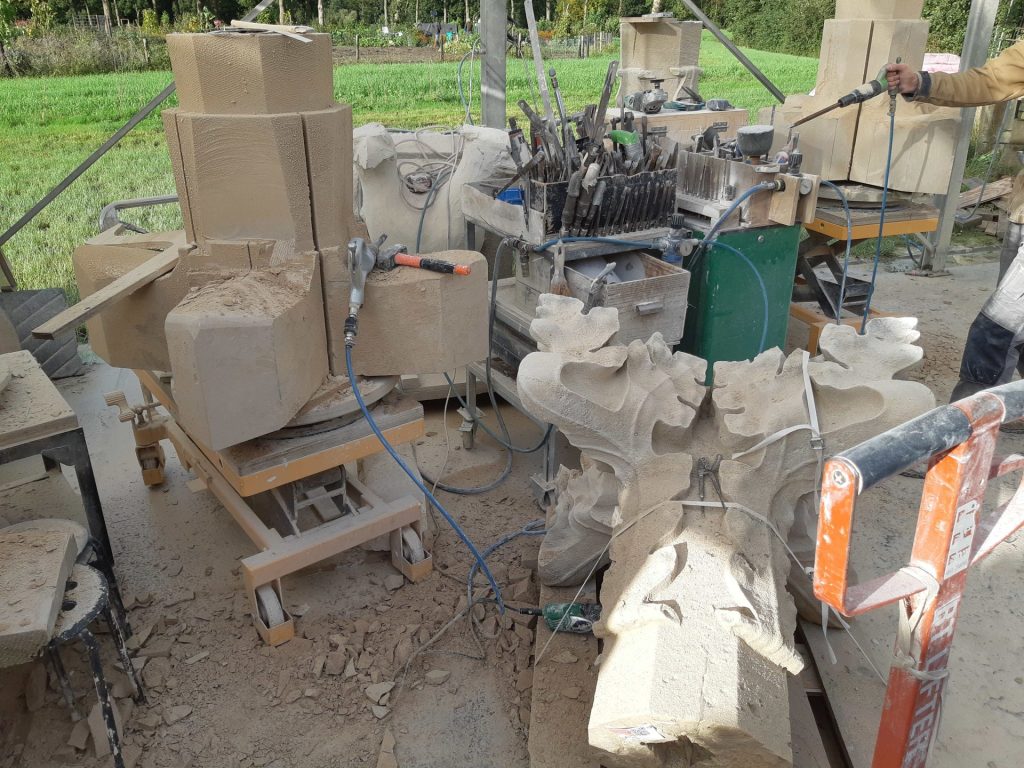
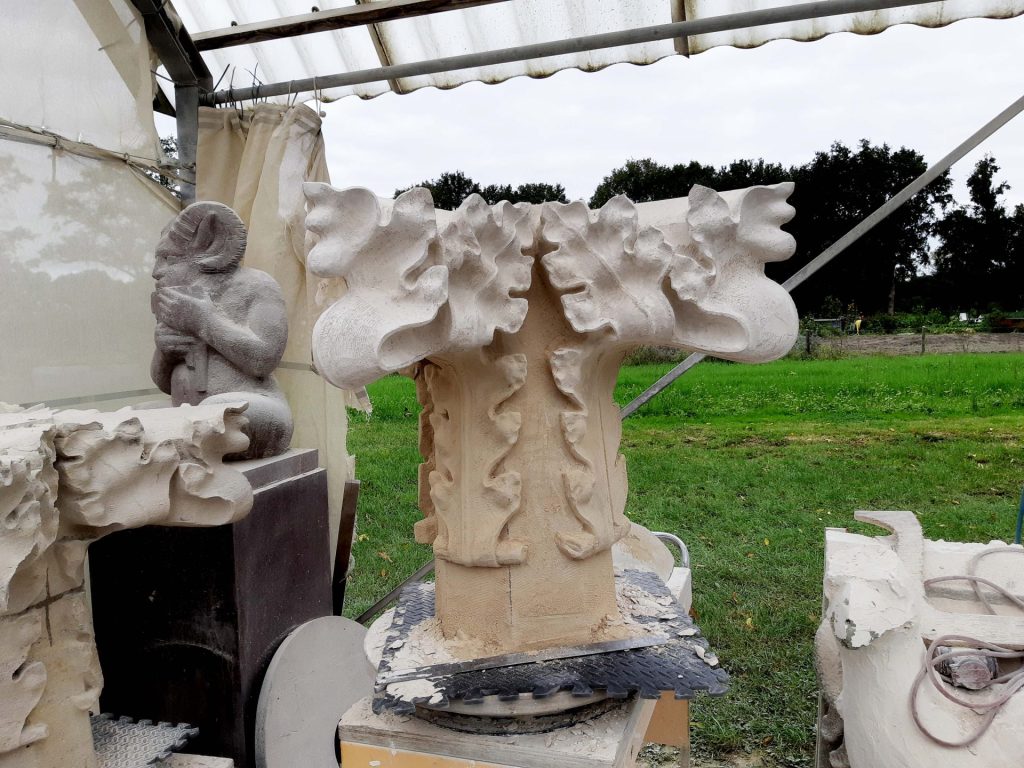
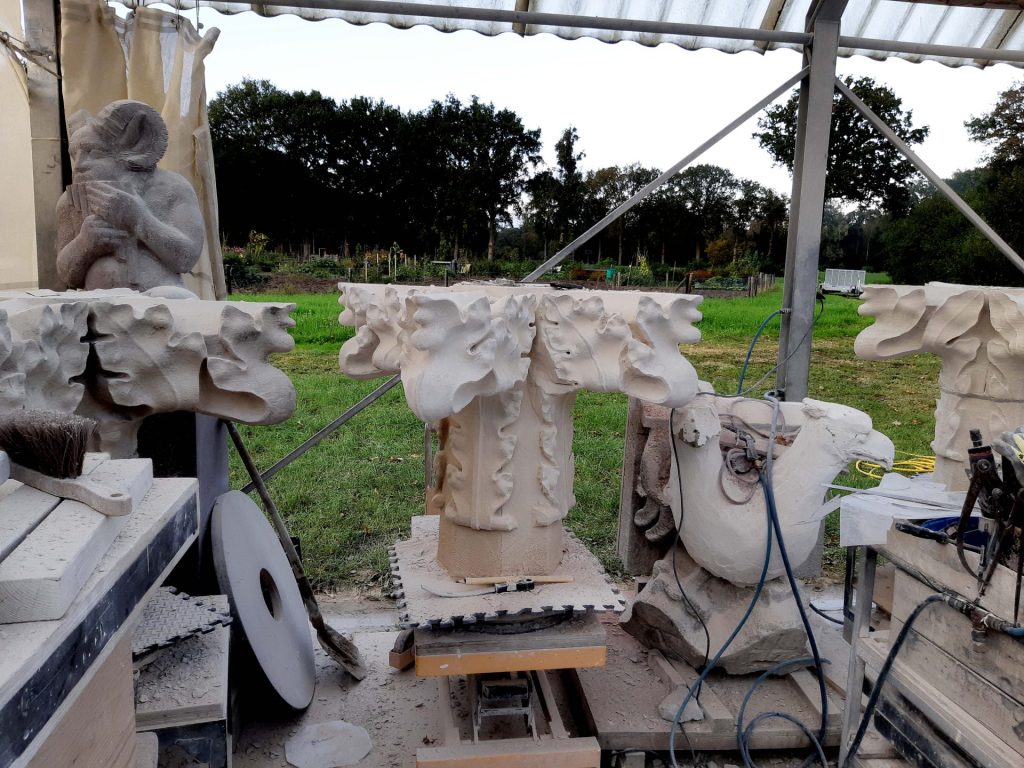
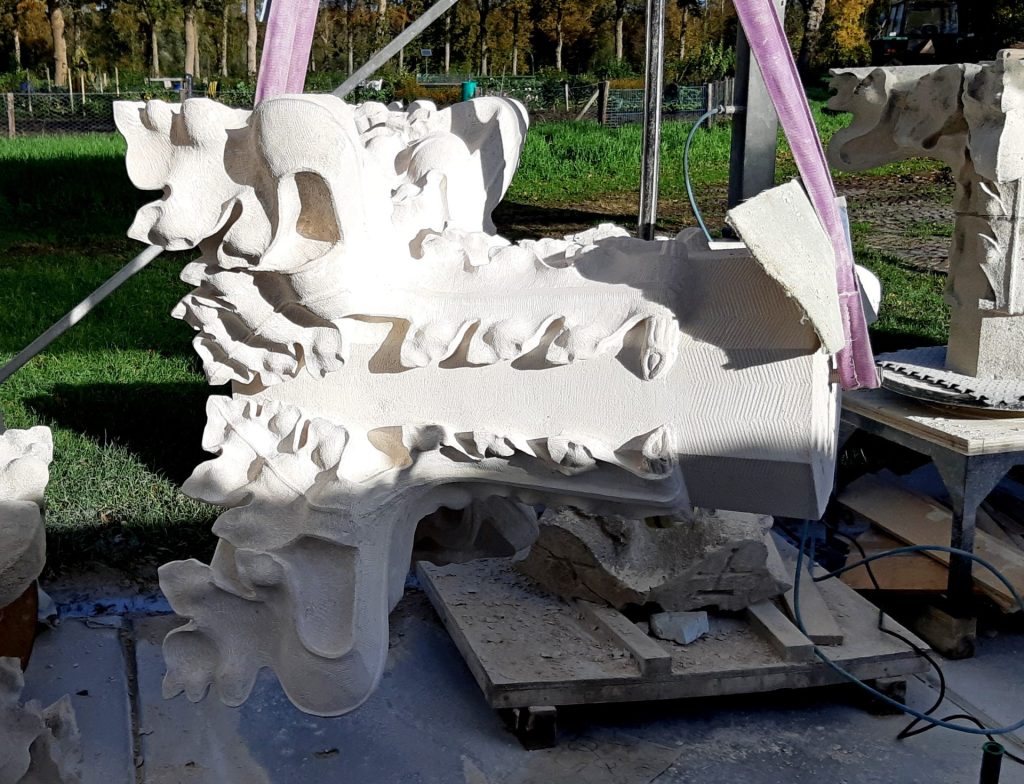
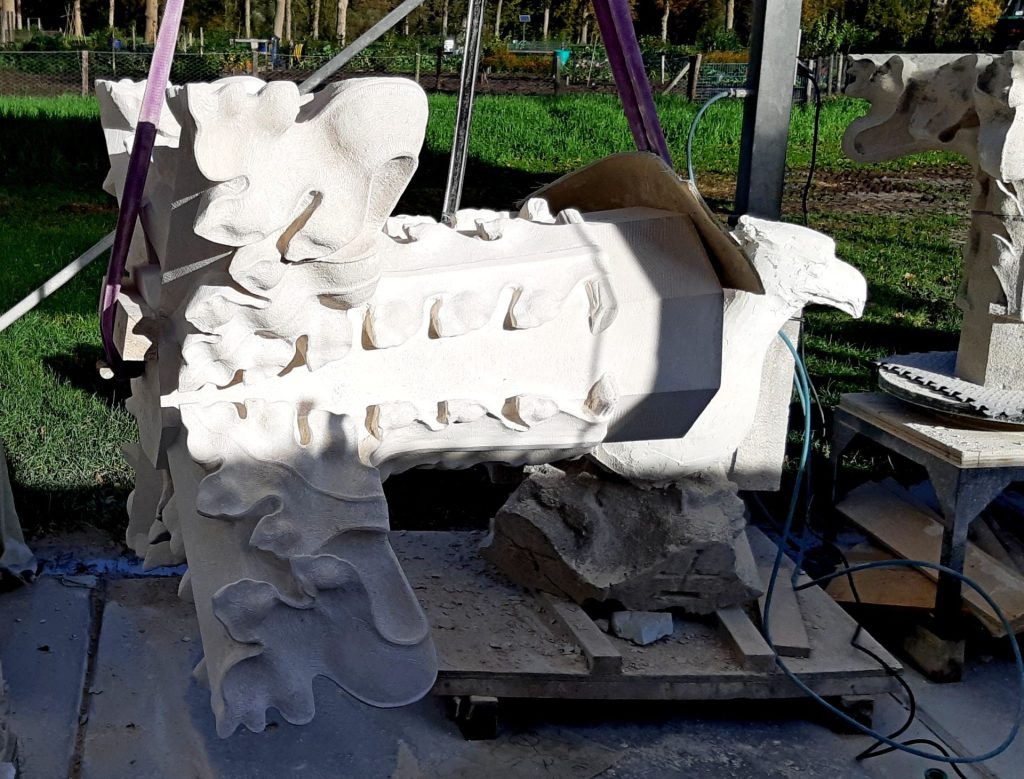
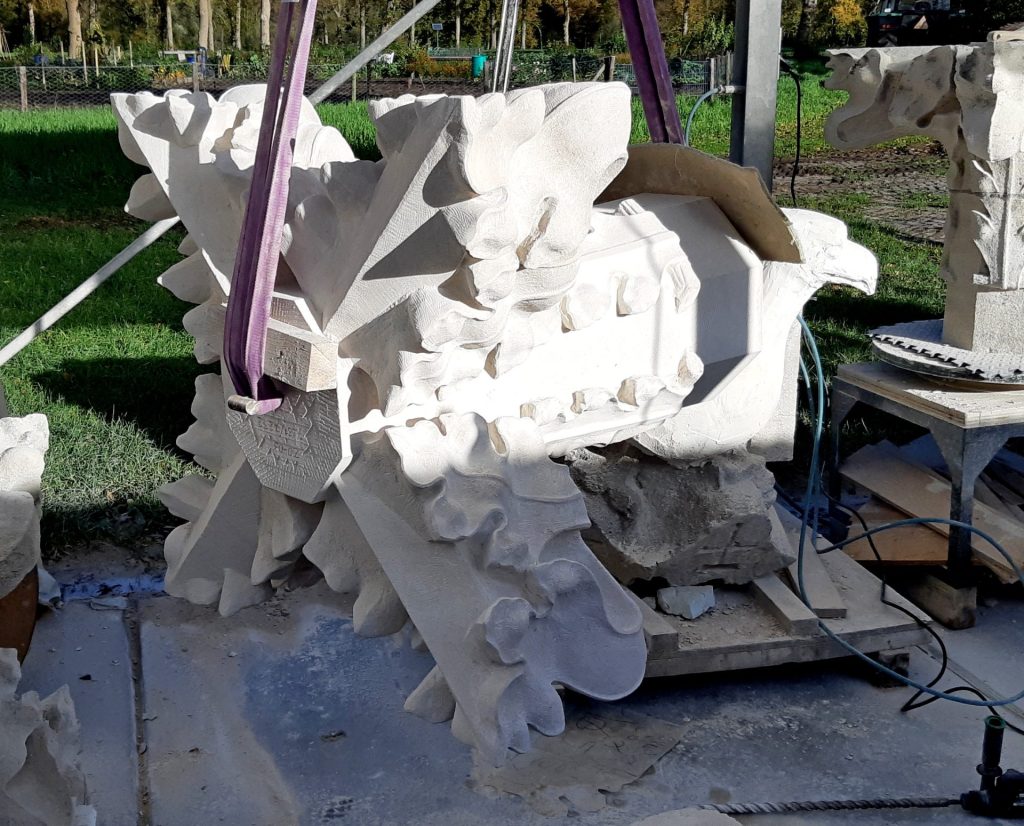
    The restoration of the Dom Tower is in full swing in Utrecht. We cannot escape it either and will provide a whole batch of ornamental work for this. In October we received the first parts: three large finials for the Dom Tower. They will be placed on the balustrade at the top, at approximately 100 meters up. We divided these three finials among Serge, Jelle and myself. Soon we will get 16 large crockets. Jelle and I have been up the tower before to carve a number of trial ornaments, read a short article about this in the annual overview of 2019.

    Meticulous copying

    finials for the dom tower of Utrecht
    First making the large shape on the bottom

    The old finials were made from a French limestone, but this type is no longer available because the quarry is closed. These copies were therefore made in English Portland stone. The ornemants are 80 x 80 cm wide and about the same height.
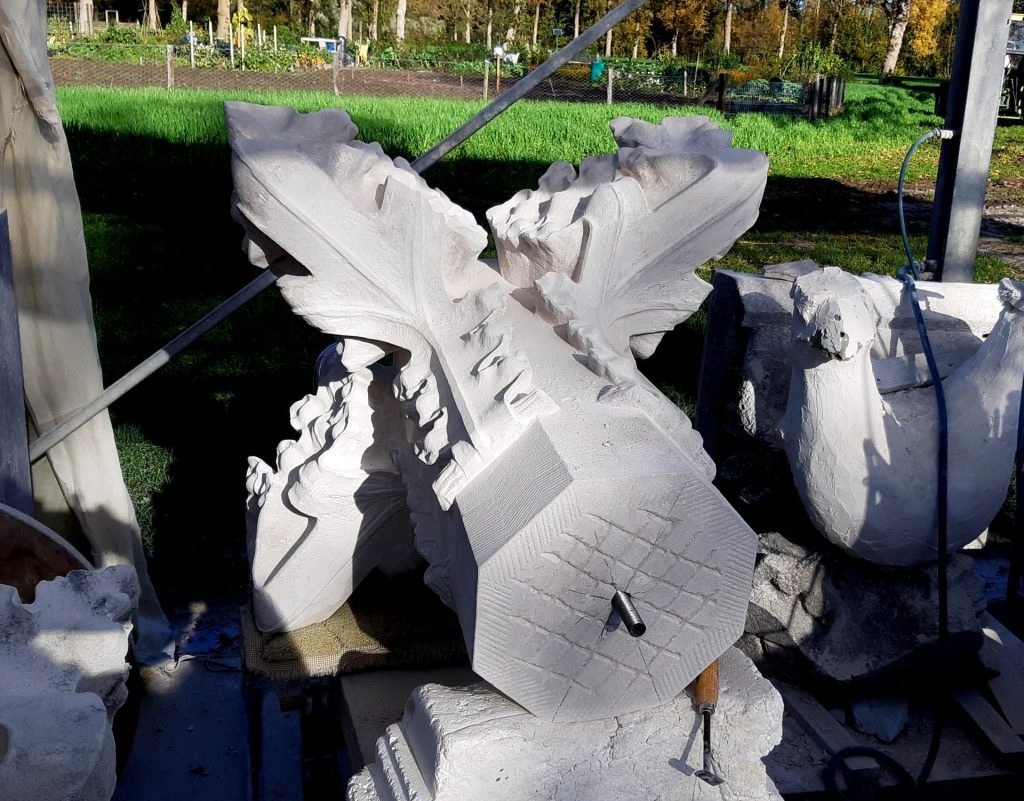
    That is a laborious job that takes three weeks of work, and then also the tails have to be made on it, where it used to be just two separate parts. Because these were the first ornaments we'll be making for the tower, the restoration committee wanted to be sure that the old quality was preserved. In particular, some consultation was needed about the type of surface treatment. That is why there has been a viewing twice during which all details were discussed. All parts will be placed together on the tower later on, where they are now made in two separate workshops and by three different sculptors. This consultation is necessary in order to maintain unity.

    Why replace them?

    finials for the Dom tower of Utrecht
    rough-carved finial

    The old finials of the Dom Tower actually still look quite good. But a closer look shows that cracks are appearing and the stone is coming to an end. These ornaments have been carved over the years 1903 to 1911 and are therefore over 100 years old. These limestones are known for deteriorating after 100 years in our climate and are at the end of their life cycle. They sit at a great height and if a small piece should fall down, where there are always many people walking around, then it could be deadly. One of the premises for this restoration is that the next major overhaul will be in 50 years and that this restoration therefore should last for 50 years should last. That would be an awful lot to ask from these old finials.

    Rigid design

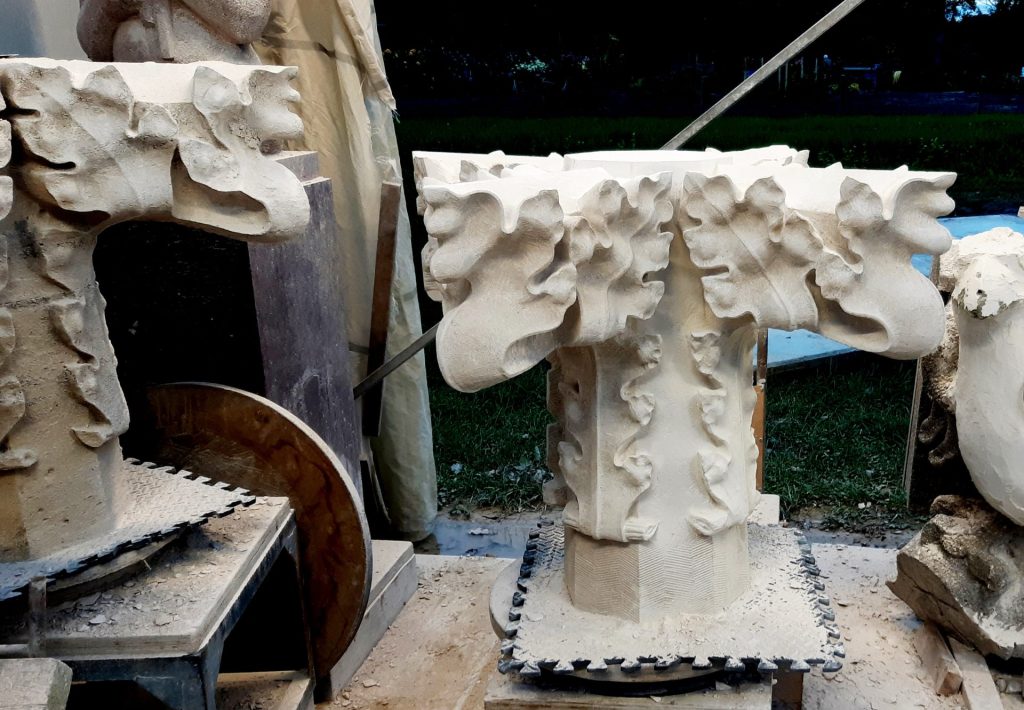
    These finials for the Dom Tower were made under a strict regime at the time and are carved almost geometrically. So our task was to imitate this work just as accurately and to allow ourselves little in the way of freedom. I noticed that the whole ornament was still tightly embedded in the original block of stone. The masses were still following the outlines of this block and from a slight angle you can clearly see that all the highest points are in one plane and only the leaf edges are slightly undulating. True gothic crockets are often much looser and make smooth movements that are more difficult to follow, but these neo-gothic ornaments are quite regular and rigid. That also makes it a lot easier to copy: with a plastic template you can copy many of the shapes.

    Gallery

    Below is a photo impression of my work on the finials for the Dom Tower.

    Links

No more messages to show.

No more messages to show.