• Video: visit to the Sculptor's Workshop

    Koen, Jelle, customer and Stide at flying buttress statues carved by Jelle during visit to the sculptor's workshop
    Koen, Jelle, customer and Stide near flying buttress sculptures carved by Jelle

    We're going viral

    Last month I would have had visit to the Sculptor's Workshop again: customers of St. Eusebius's Church who had bought one of the old flying buttress sculptures, could come over and have a look at the place where they are being copied into new stone. But a spanner was thrown in the works. At the moment everything is about that darn coronavirus and I too seem to be unable to avoid having things cancelled. I received a cancellation and a request to make a video of our work, so that the buyers/viewers can still get an impression.

    Schoolmaster

    Now it is different when I'm telling something all by myself than when people ask questions. Most of the work has become so obvious to me that I don't realize that parts of the work process are not yet clear to others. The best interaction is of course if you can answer questions directly, and often one question leads to another. And explaining things gives a different nuance than if you'd tell stories and quote anecdotes.

    Image thinkers

    But the Chinese already said it: a picture paints a thousand words. So here goes my replacement tour of the sculptor's workshop, with performances by colleagues Stide and Jelle. So the whole story revolves around flying buttress figurines that we're currently replacing, and these are some of the last of arc no. 14 and 16, with the musicians and apostles. Learning to film and edit was an interesting challenge, so I'm probably going to do that more often. I have plenty of plans, now to find some free time for it.

    St. James the Lesser

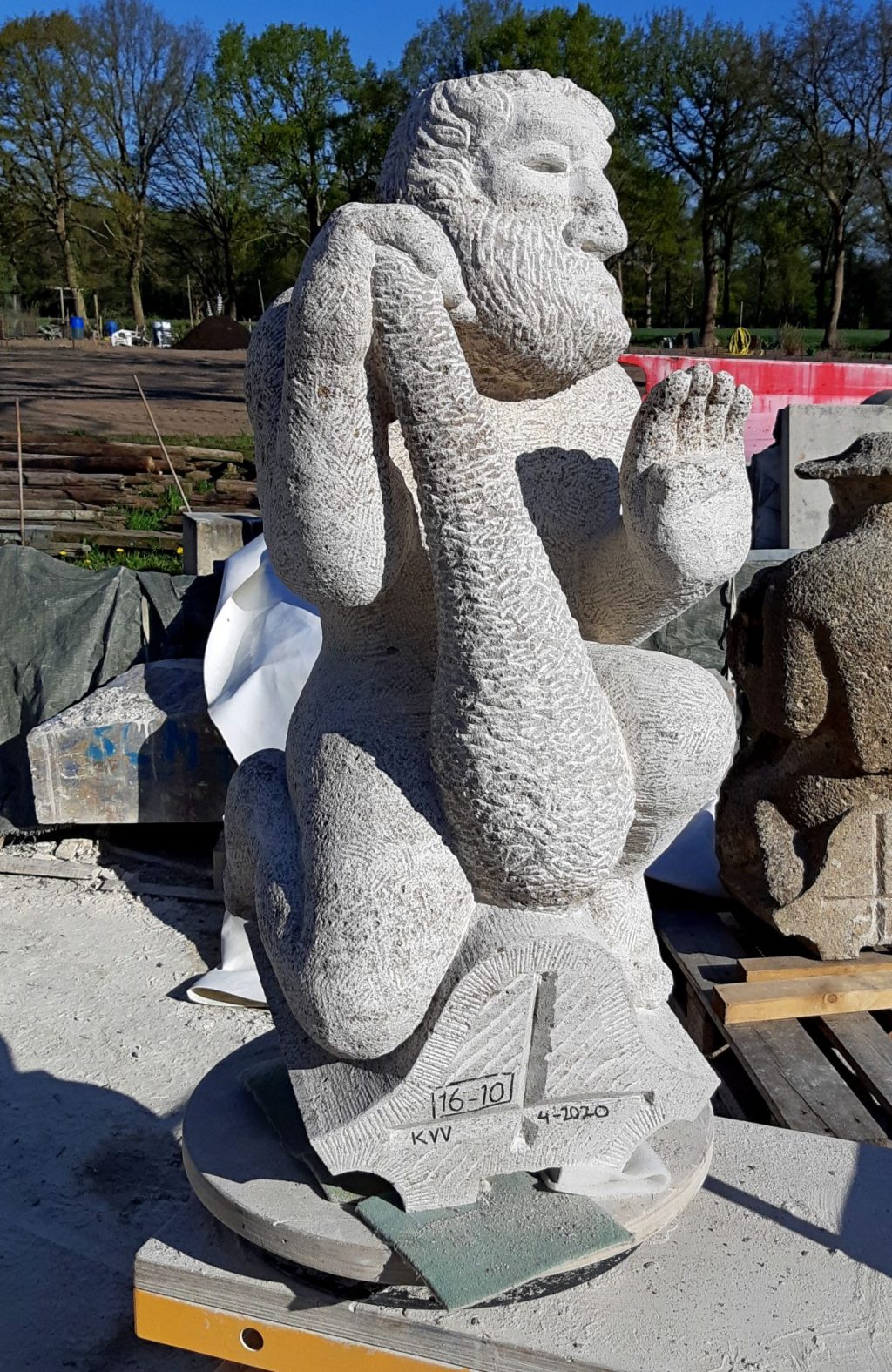
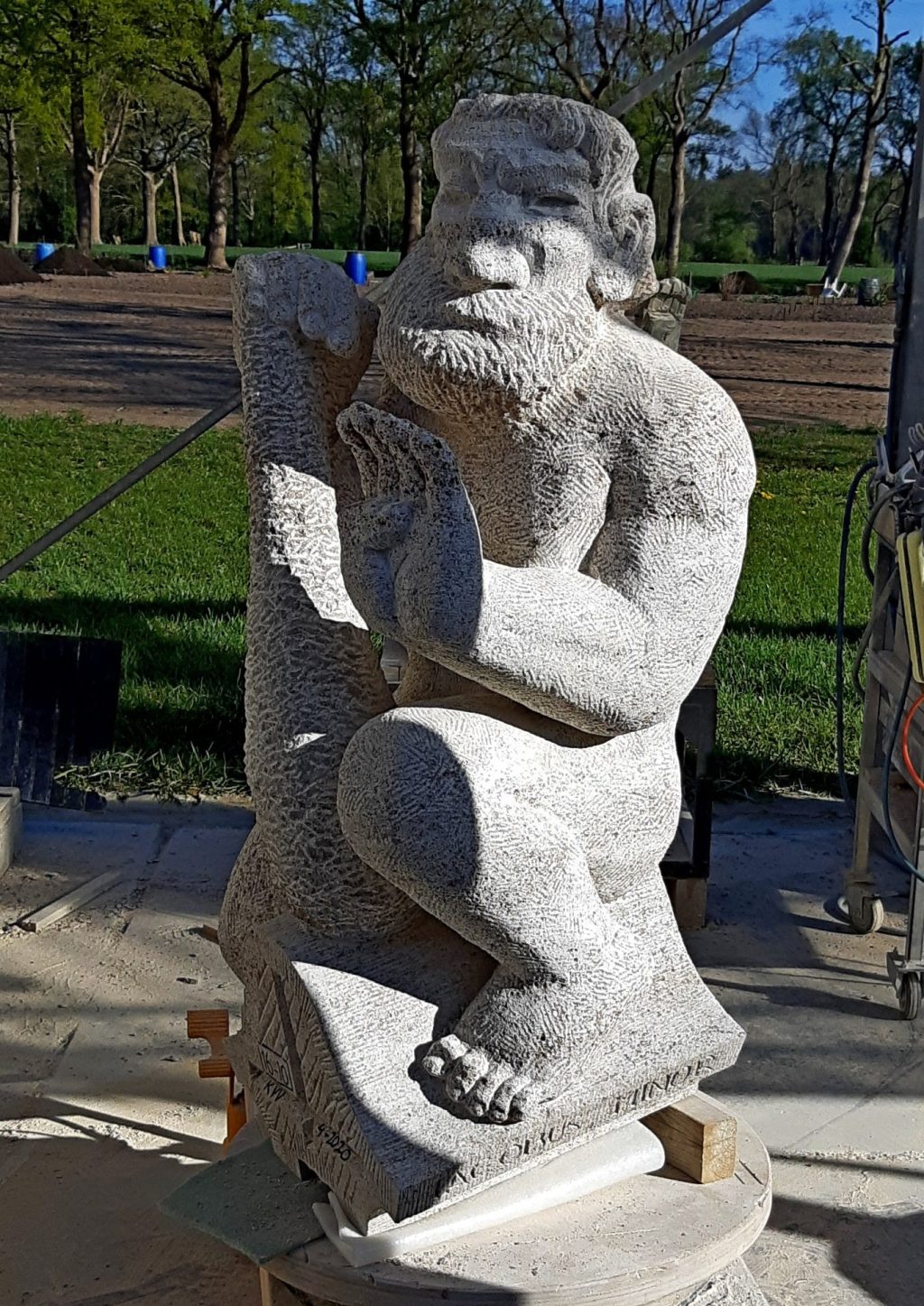
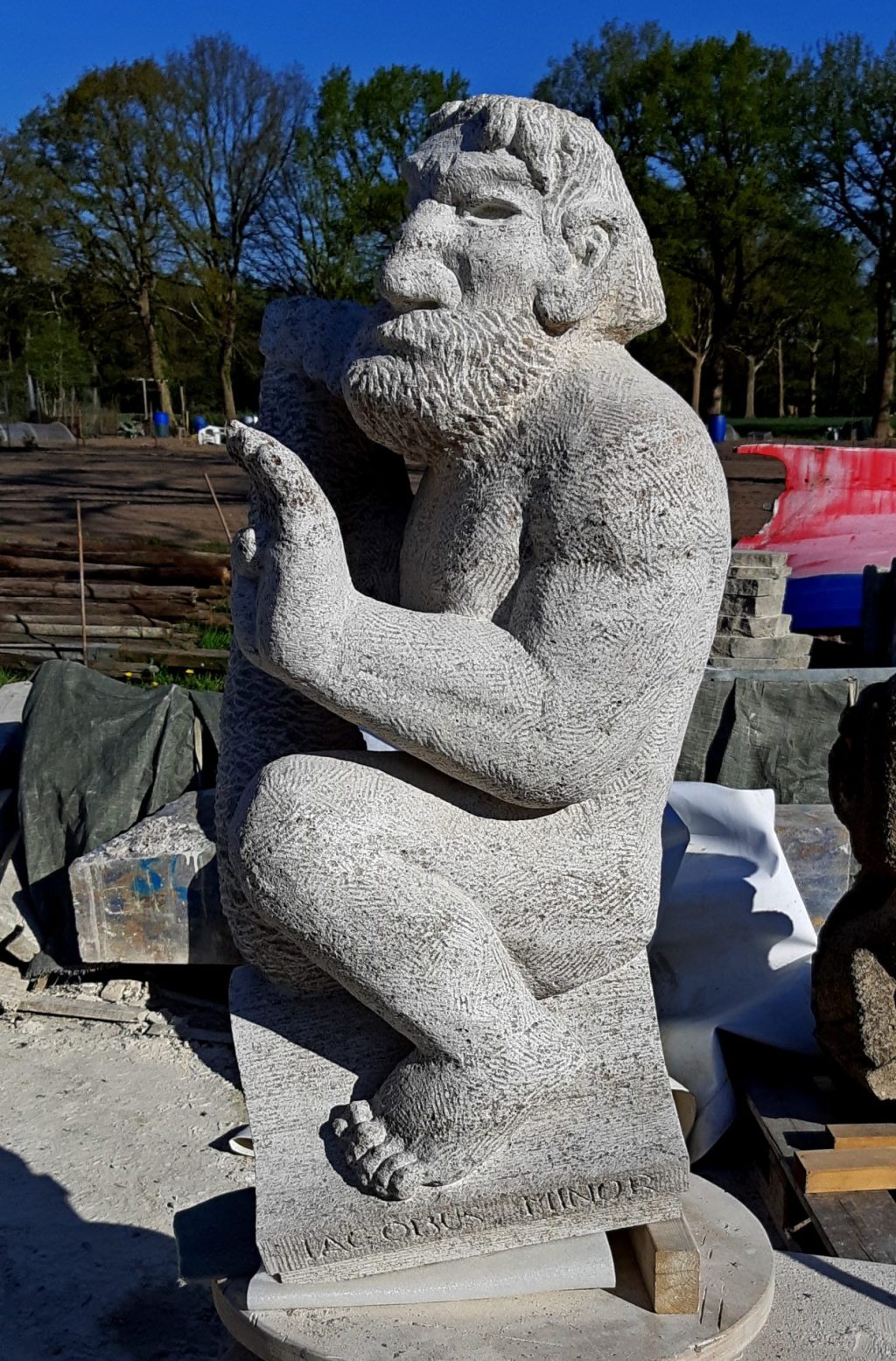
    The flying buttress sculpture I am working on in this video is now finished. Read in this post more about the statue of James the Lesser. You will find the accordionist in this post. I have also started on the last flying buttress statue for now, that of St. James the Greater, about which more later.

  • Flying buttress figurine: St. James the Lesser

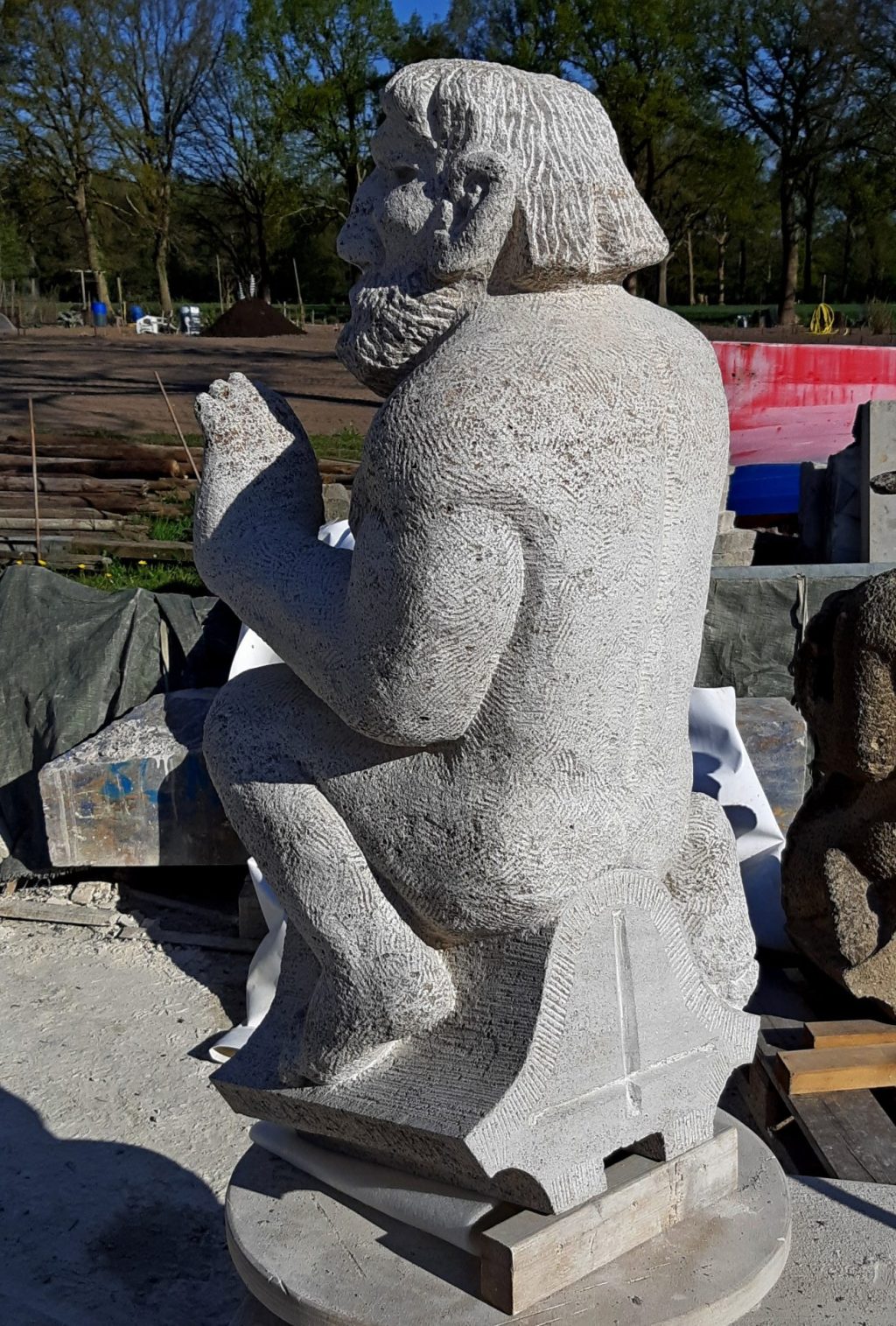
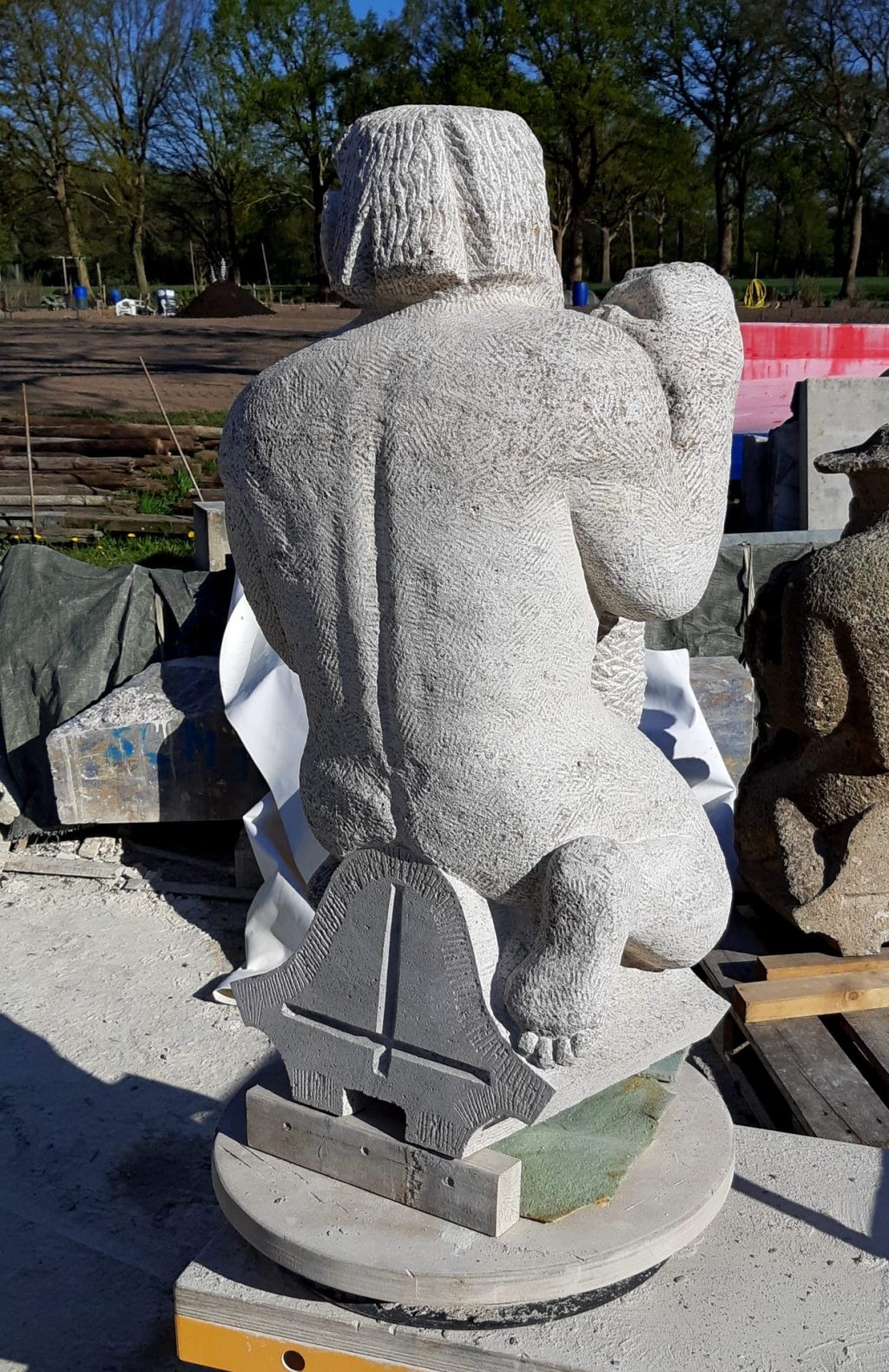
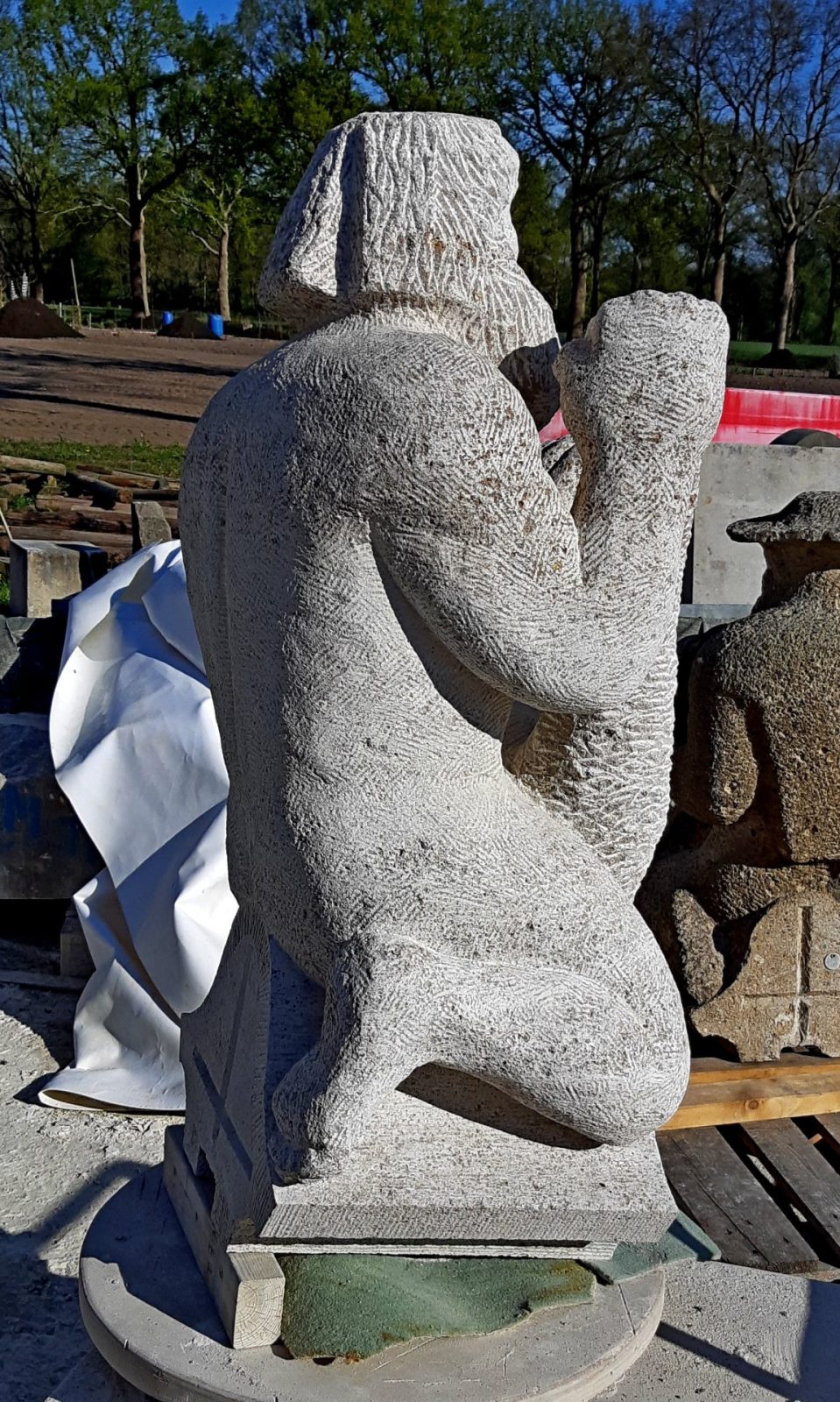
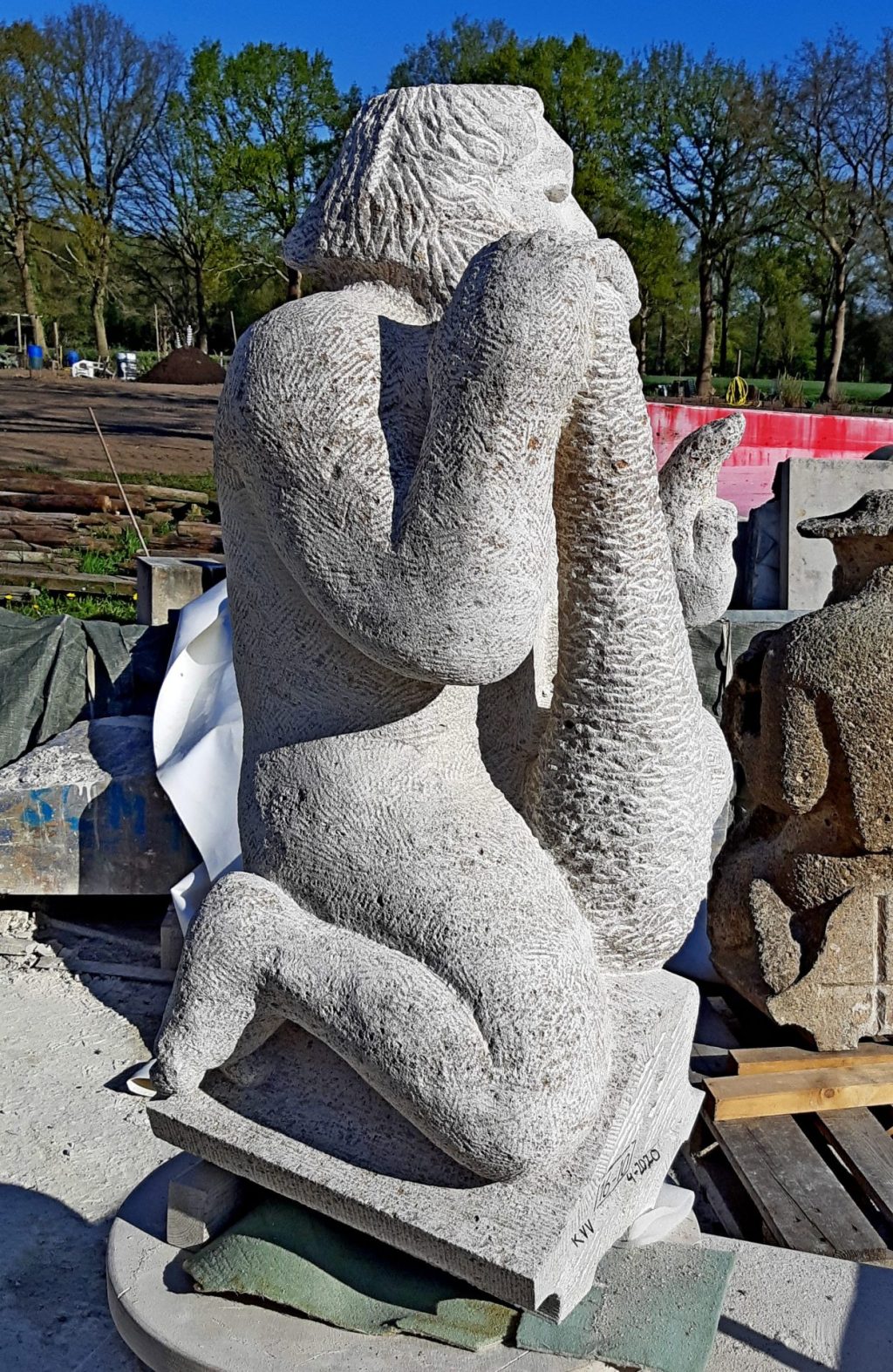
    copy of flying buttress statue of James the Lesser in Muschelkalk limestone

    Two Jameses

    The next flying buttress figurine of St. Eusebius's Church in Arnhem was one from the series of apostles of arc no. 16. It represents a heavily built man with a club. This could either be Judas Thaddeus, or James the Lesser. He was called the Lesser because he became an apostle later than James the Greater. The other James was, along with his brother the apostle and evangelist John, a son of Zebedee, a fisherman. They were inspecting their nets when Jesus arrived and asked them to become fishers of men.

    Brother of the Lord

    copy of flying buttress statue of James the Lesser in Muschelkalk limestone

    But James the Lesser was called "brother of the Lord". Then how is that possible? Well, according to the Medieval stories, that everyone knew in those days, the carpenter Joseph had been married before and he had a number of children from that marriage, but his wife had died. He was a widower when the young girl Mary (Miriam) came to live under his protection. She took care of the children, and especially James was very fond of her because he was very young when he lost his mother. Maria was about 14 years old when she came out from the temple protection to live with Joseph. Her father and mother, Joachim and Anna, had miraculously been gifted child in their advanced age and therefore entrusted her to God as a temple maiden. So she was brought up very pure and trained in high spiritual knowledge.

    When she was 16 years old, she suddenly turned out to be pregnant and Joseph wanted to distance himself from her, but the angel confided to him that she was carrying a great miracle. He decided to marry her. Mary became the mother of Jesus, and James grew up with him. He was at least seven years older, but was among his most faithful disciples.

    Club

    copy of flying buttress statue of James the Lesser in Muschelkalk limestone

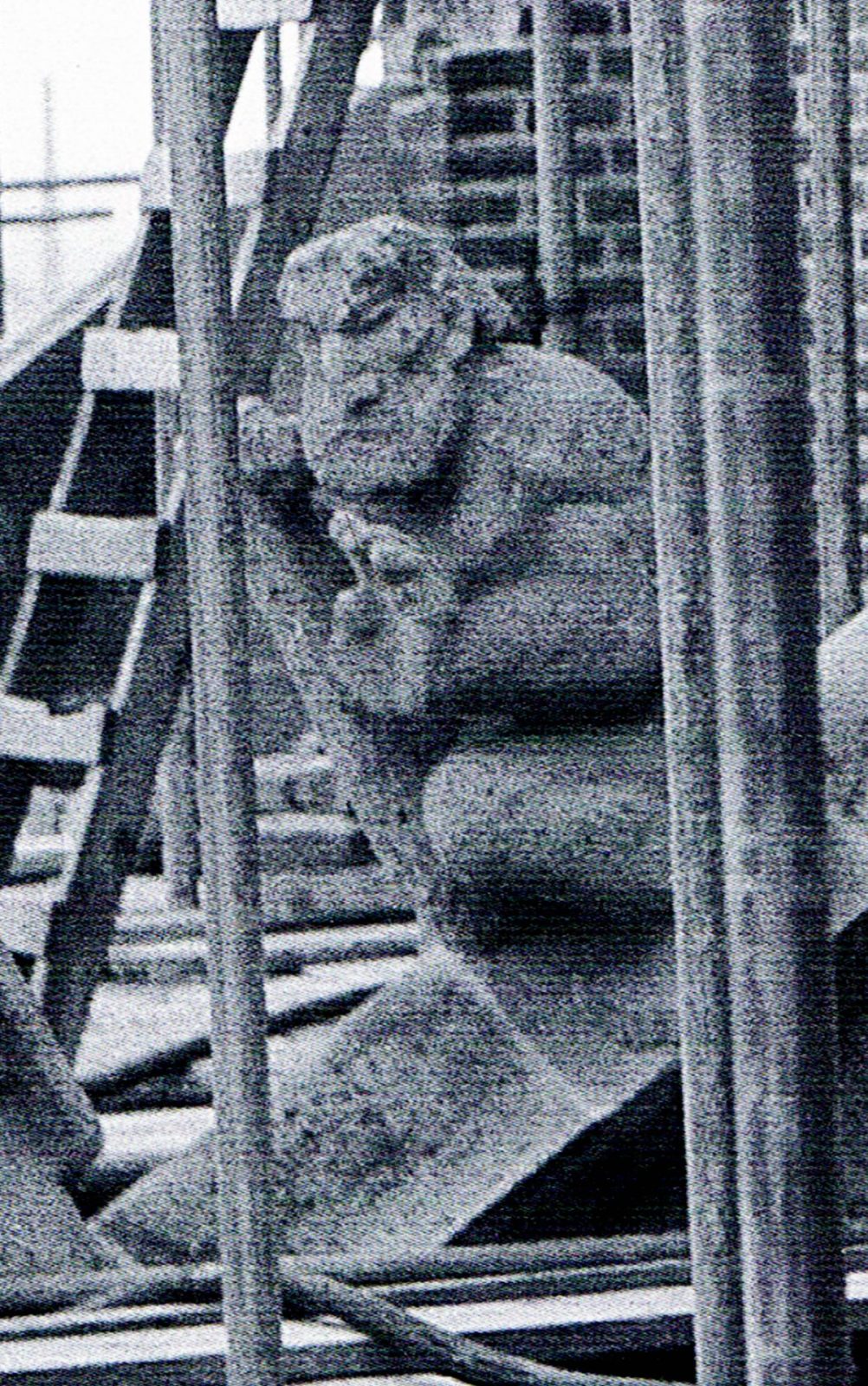
    The club that the apostle James carries with him shows a different way of thinking that was common in the Middle Ages. Emphasis was placed on the suffering and martyrdom of Jesus and of his apostles and saints, therefore, the club with which he was put to death was given a prominent place in the depictions of James. Now this is not a Medieval statue at all, but made in 1956 by Eduard van Kuilenburg. In the Dutch language book on the sculpture of the Eusebius Church Elisabeth den Hartog and Ronald Glaudemans write that the themes for the sculpture were presented by Arnhem city archivist Mr Schaap. That could explain why Van Kuilenburg gave the saints such traditional attributes.

    Traditionally, James the Lesser was sometimes depicted with a fuller's stick instead, a heavy piece of wood that was used to felt wool, because he was supposedly been beaten to death with it. So who else could have become the patron saint of all wool felters other than James? Those inimitable twists of thoughts of those Medieval people though…

    Today we would be more interested in the life and works of such an apostle than in his martyrdom. The lurid details and emphasis on martyrdom for the Church are definitely from another time.


    To the next flying buttress statue.

No more messages to show.

No more messages to show.