• Saturdays project: two Kalasams in dolomite

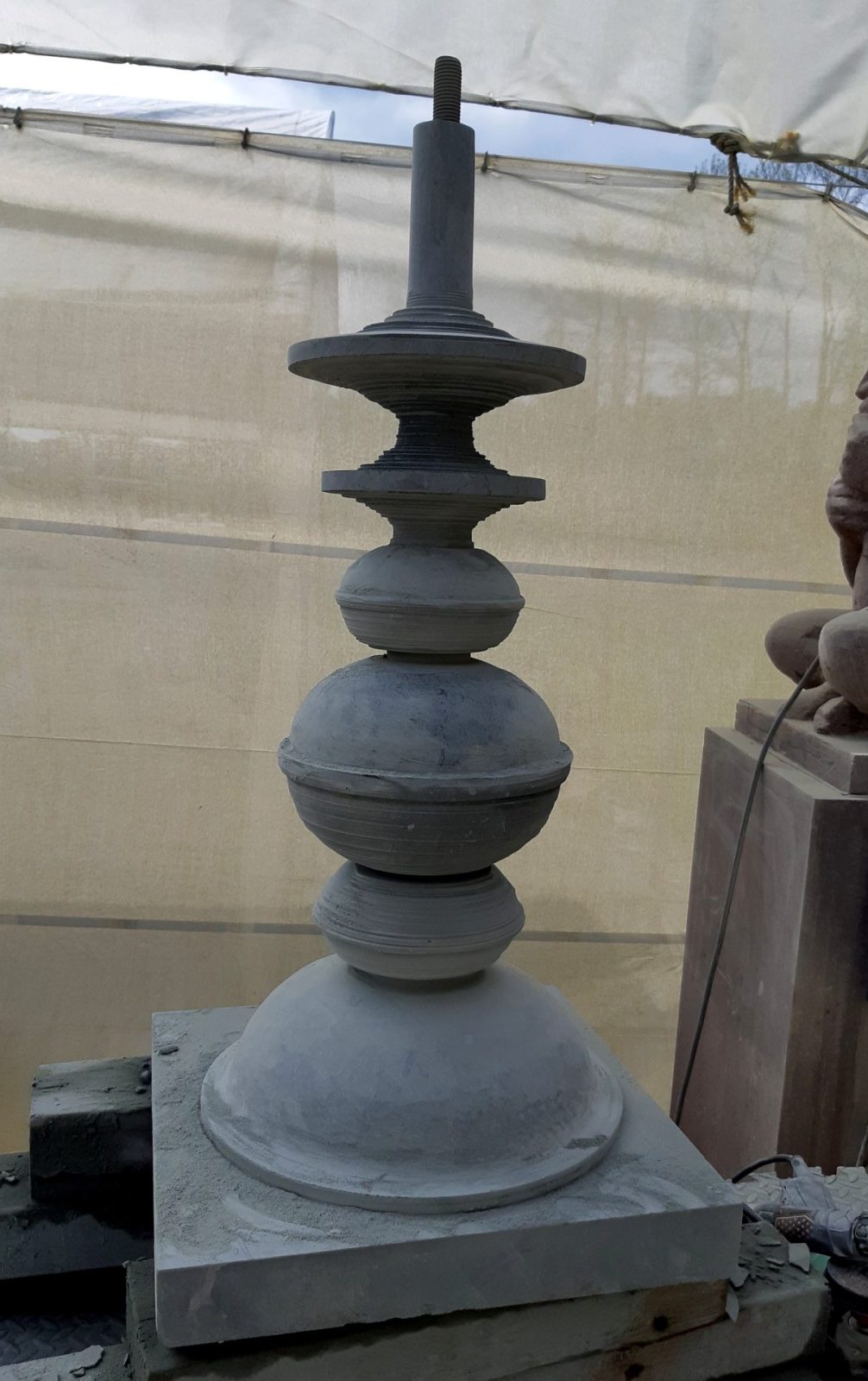
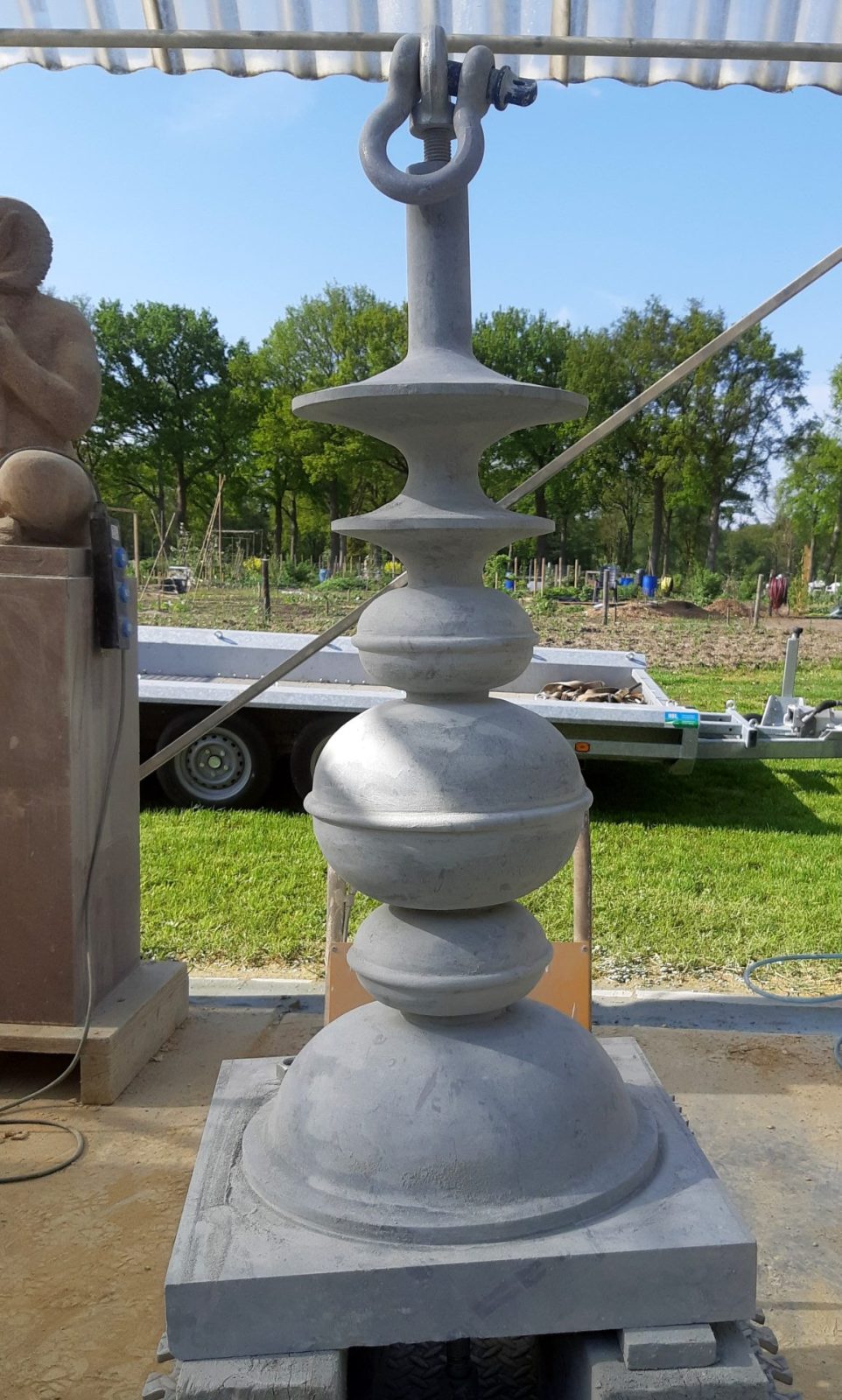
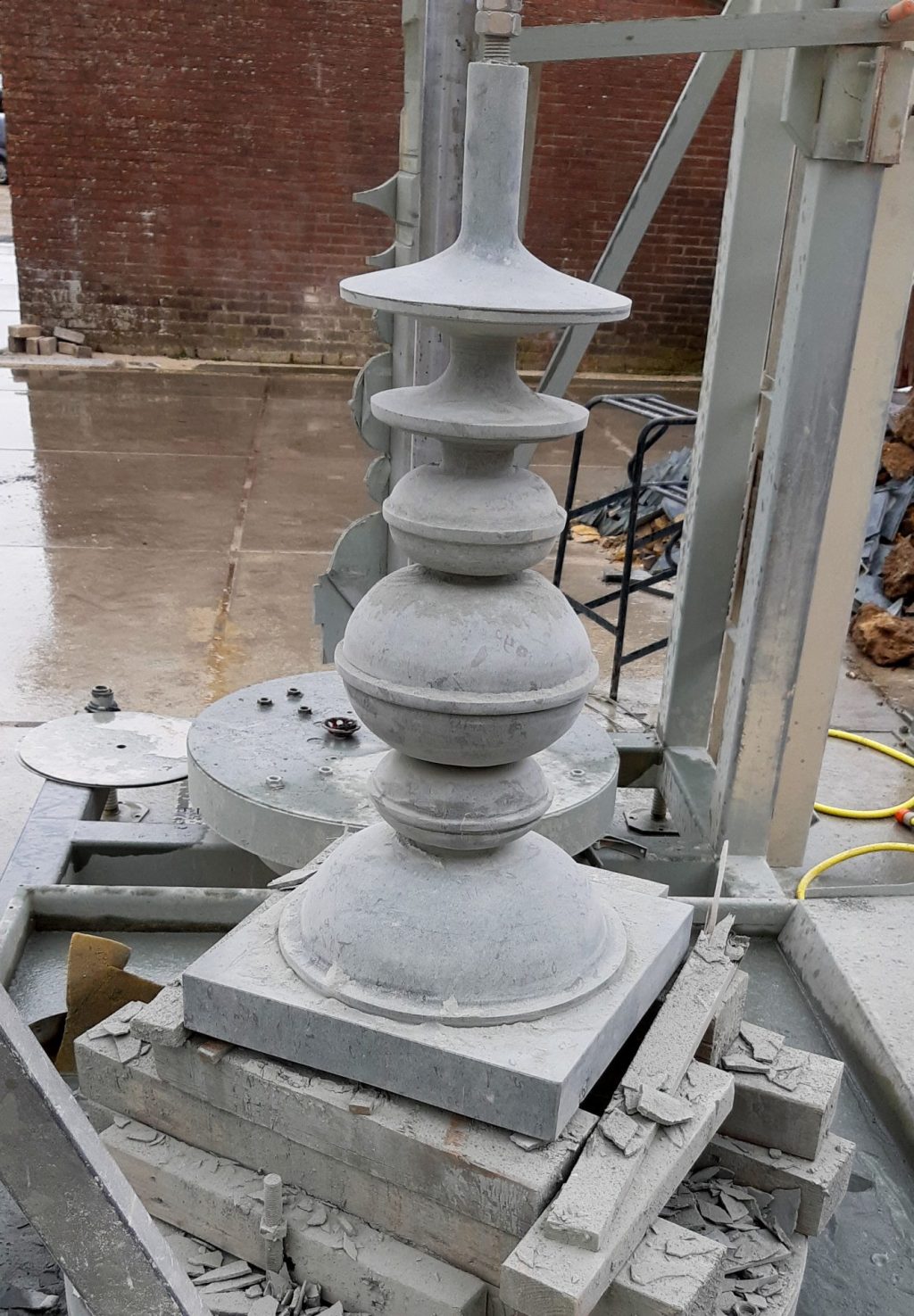
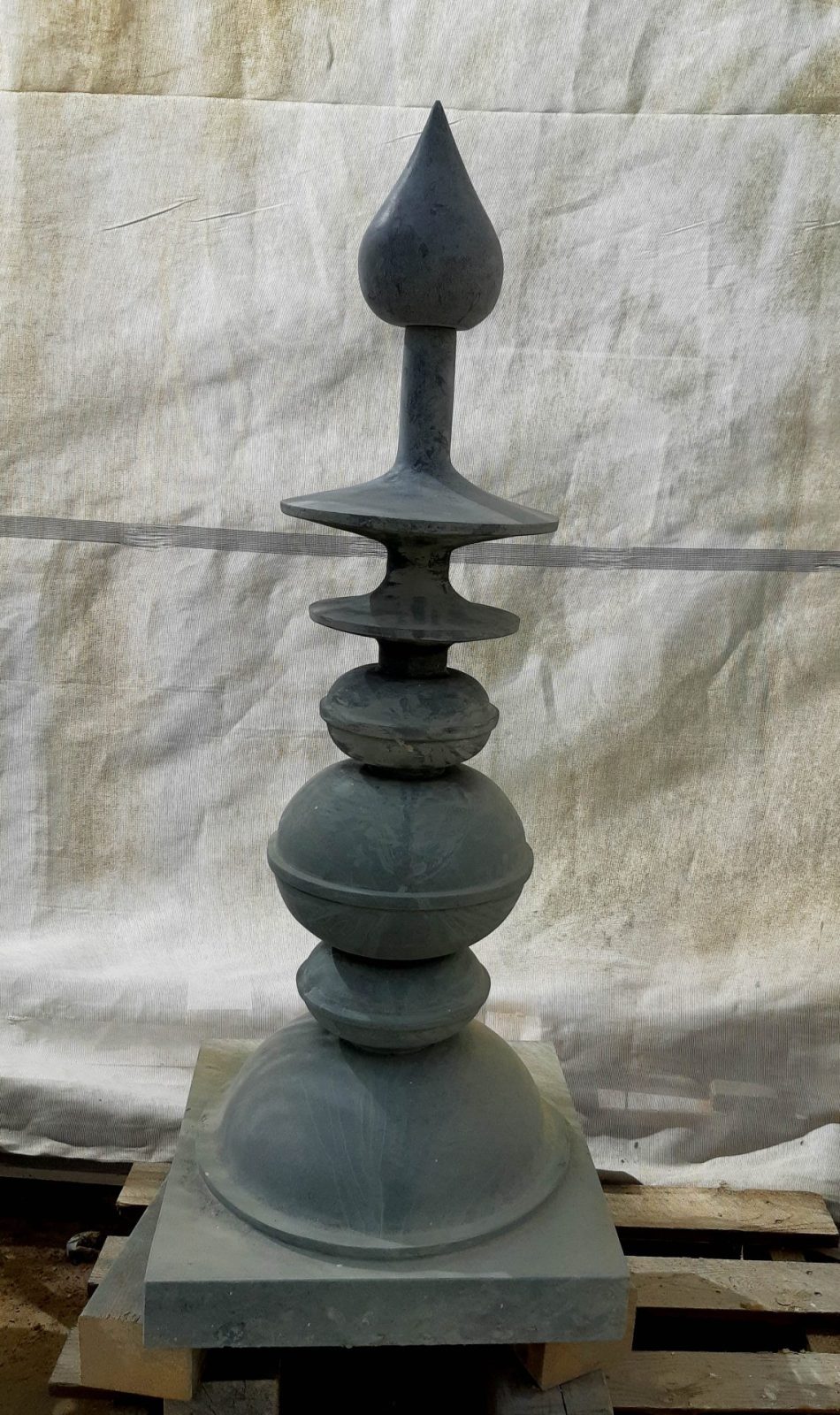
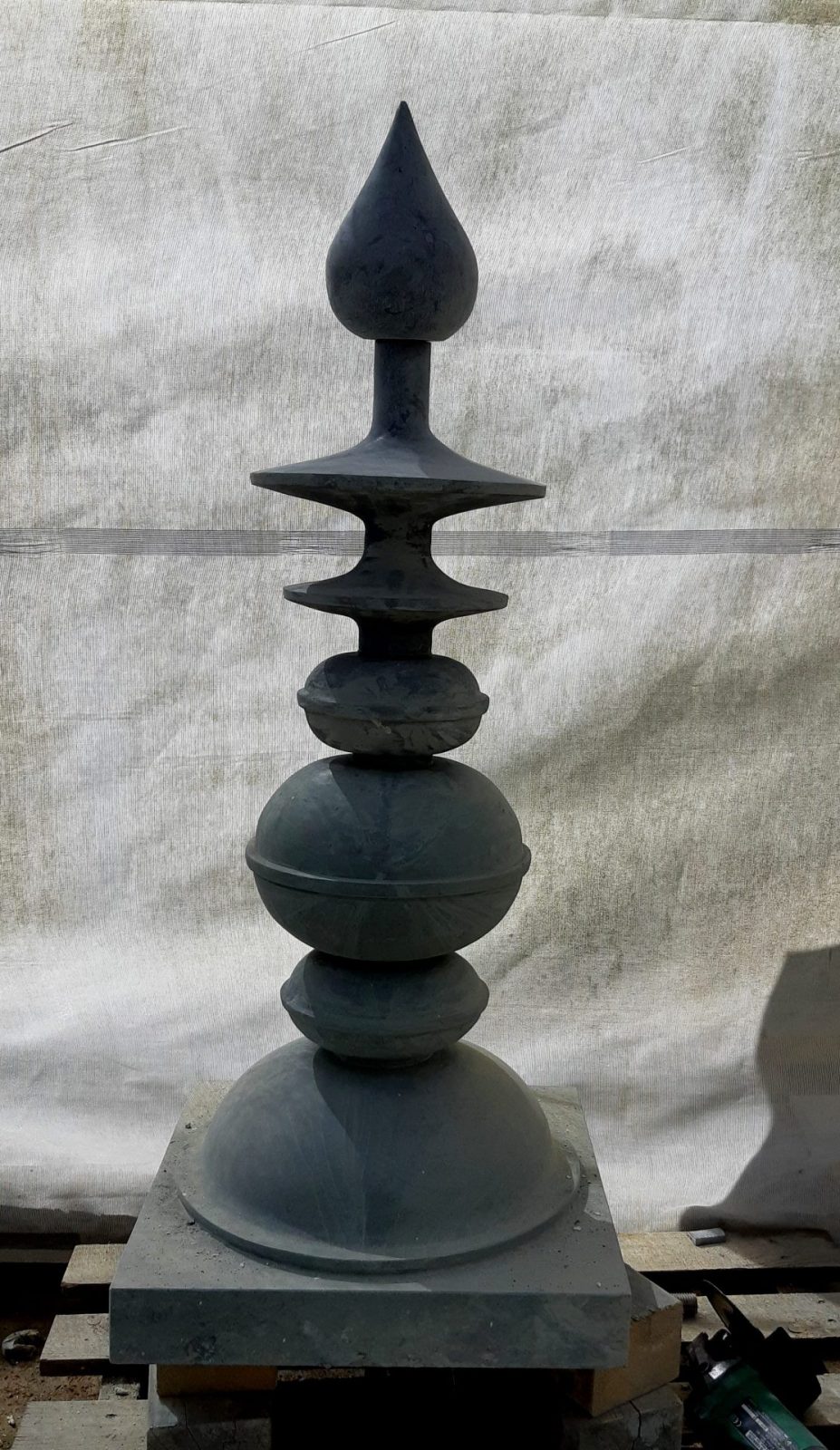
    one of two kalasams in green dolomite limestone (Anröchter Grünstein)

    Strict Confidentiality!

    reliefs in basaltic lava

    It has been a while since I shared a project, and that's because our current project is a big one. Not only do we need to make a lot of parts for it, but also a lot of this work is new and exciting. I can say that it concerns the façade reconstructions for the church of Veghel, but the details remain a surprise as it will become a gift to the city/village. We have been busy for more than a year with the preparations, reconstructions and the sculpting itself. Meanwhile the work on installing it all is progressing quickly and we're already working on carving the final parts, but we will keep the icing on the cake a secret for a while. This is also an exciting part for us, of which we very much look forward to the result. Update: the work has now been placed and unveiled. read more under this link↑ and further messages.

    Saturdays project

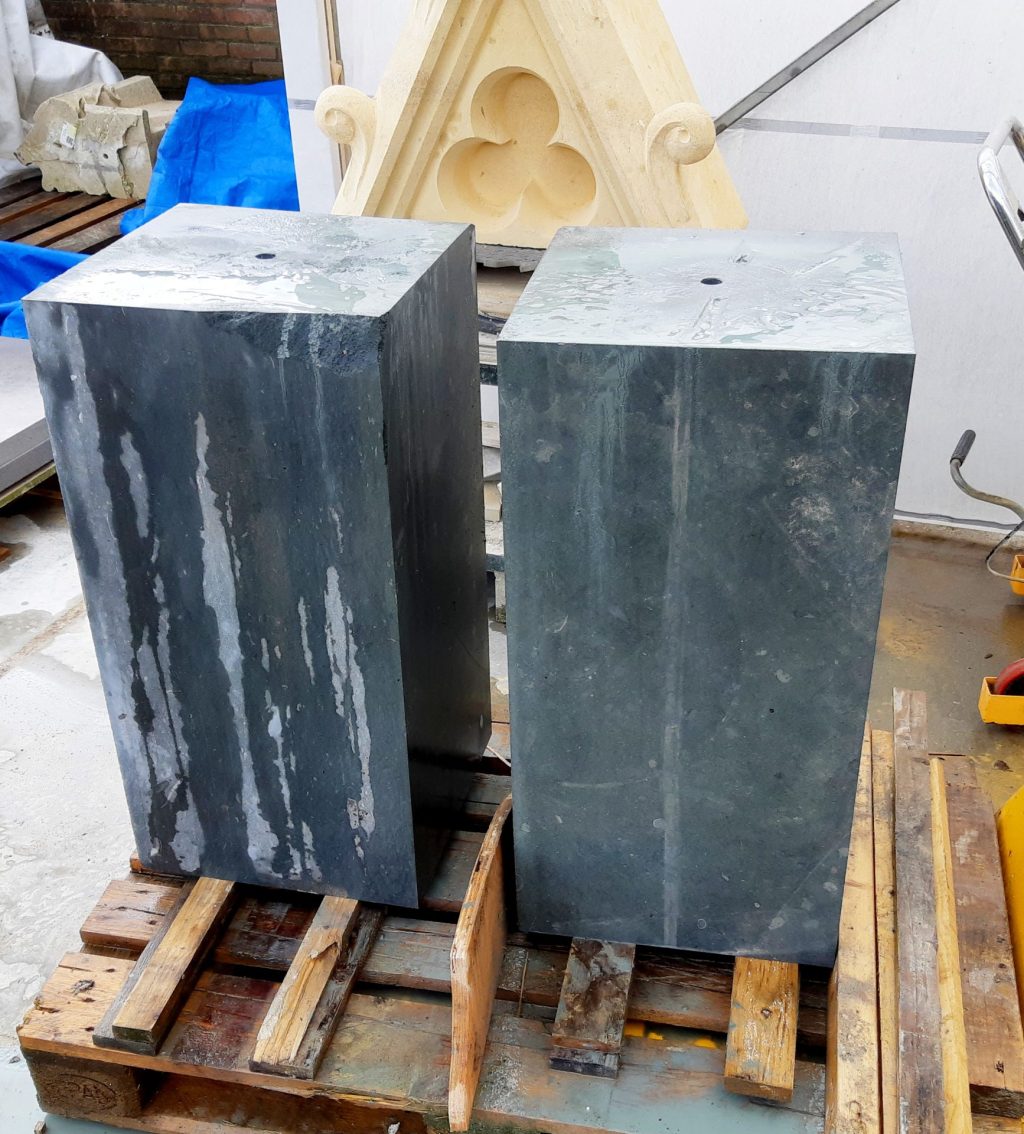
    blocks for the two kalasams in green dolomite limestone (Anröchter Grünstein)
    two blocks of dolomite

    But in addition to all the hustle and bustle in Veghel, I still saw an opportunity to make good use of my Saturdays and carve two temple finials in the same green dolomite limestone from which the plinth for my father's statuette "Surrender’ was made, as well as his tombstone.

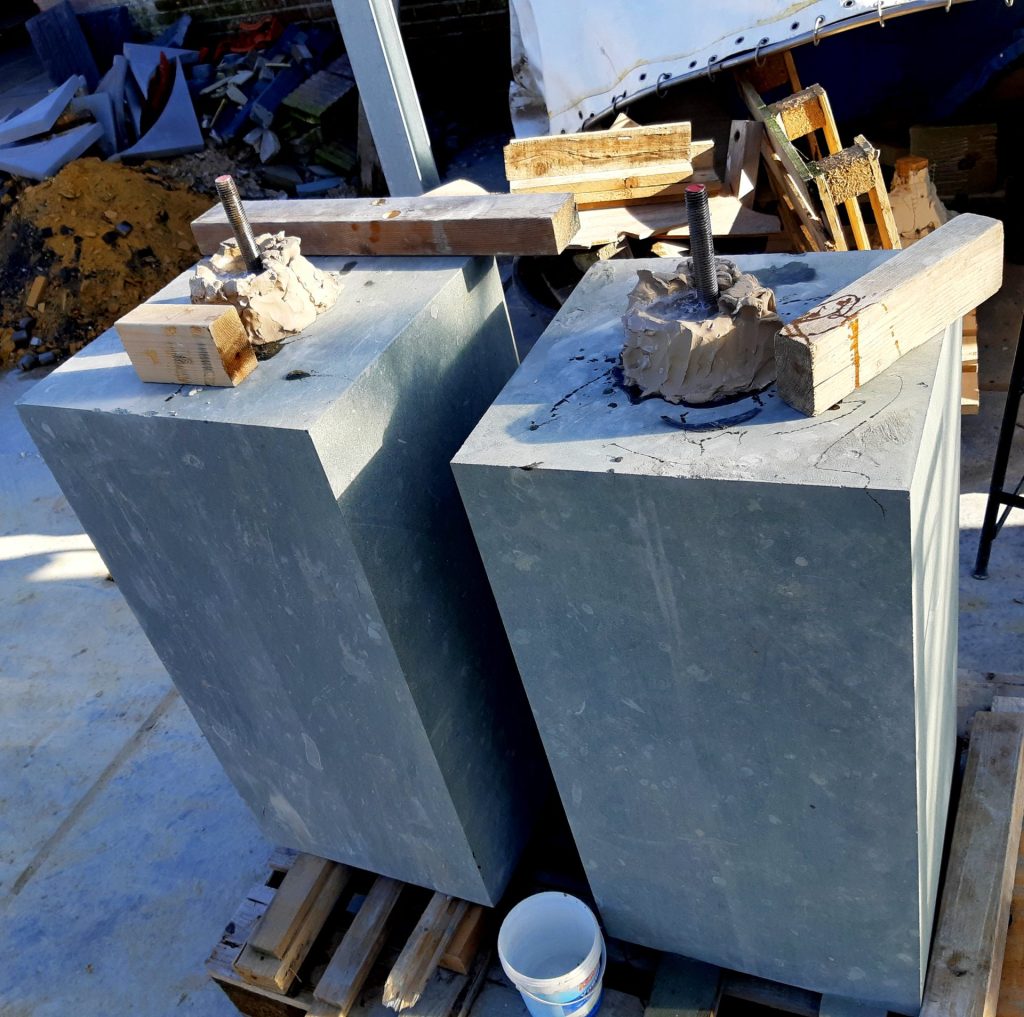
    This was a venture that required some planning as it was going to be very thin and yet needed to remain strong. How did I do that? I didn't want this ornament to break in half after a few years outdoors, so I decided to glue in a stainless steel threaded rod. I drilled a hole in the middle of the 80cm tall stone with a diamond drill, well aligned, so that I would end up right about in the middle on the other side. It needed to be really sturdy right away, so I chose a threaded end of 20mm thick. This one need to stick out the bottom for 15 cm and at the top for 5 cm, so I thought to seal the stone with clay and pour some epoxy around the threaded rod. But it was still very cold outside and the epoxy would not flow properly.

    Retry

    gluing pens into the blocks for the two kalasams in green dolomite limestone (Anröchter Grünstein)
    gluing the pins

    The second attempt was with a much thinner cast epoxy. I poured this in from the other side, via a clay bowl, and this glue did flow all the way through. Success, I thought. But then it turned out in the following week that the epoxy wouldn't harden fully! To my disappointment, I had never read that you need to use this glue above 15 degrees Celsius, and it was only 5º Celsius. The stuff stayed a bit rubbery and although it hardened a bit more in the following month, it never really cured fully. But… actually that is better. These temple ornaments will be placed on the roof and will have to deal with considerable temperature differences. Then it is beneficial if the binding is not too rigid.

    Kalasams

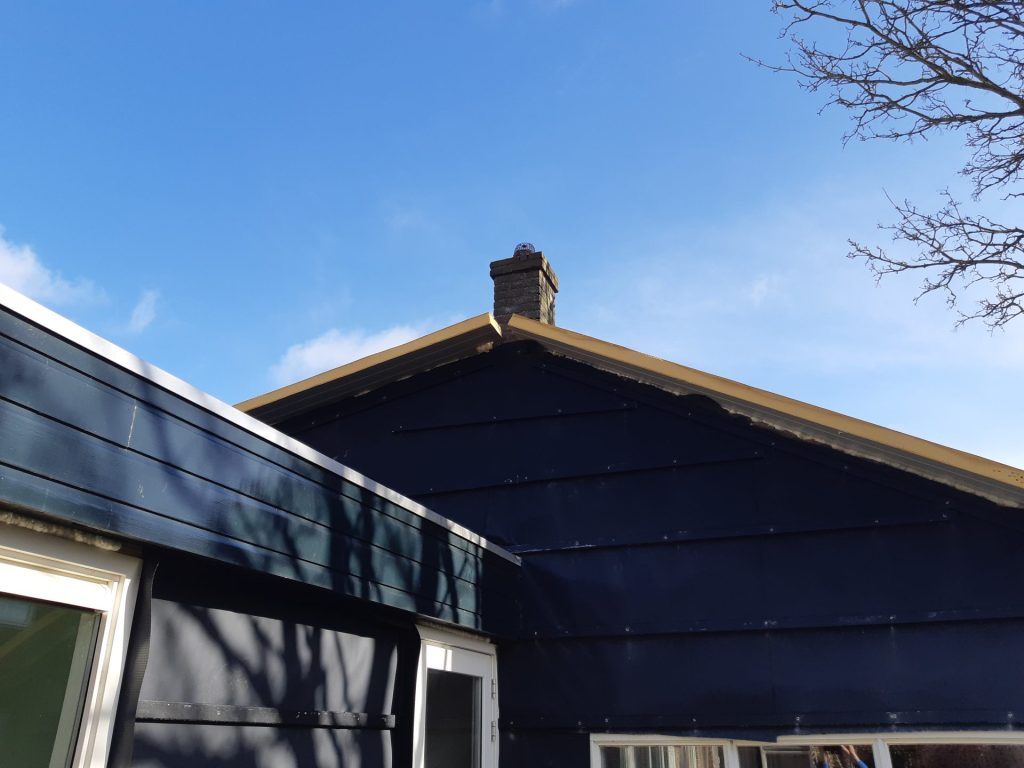
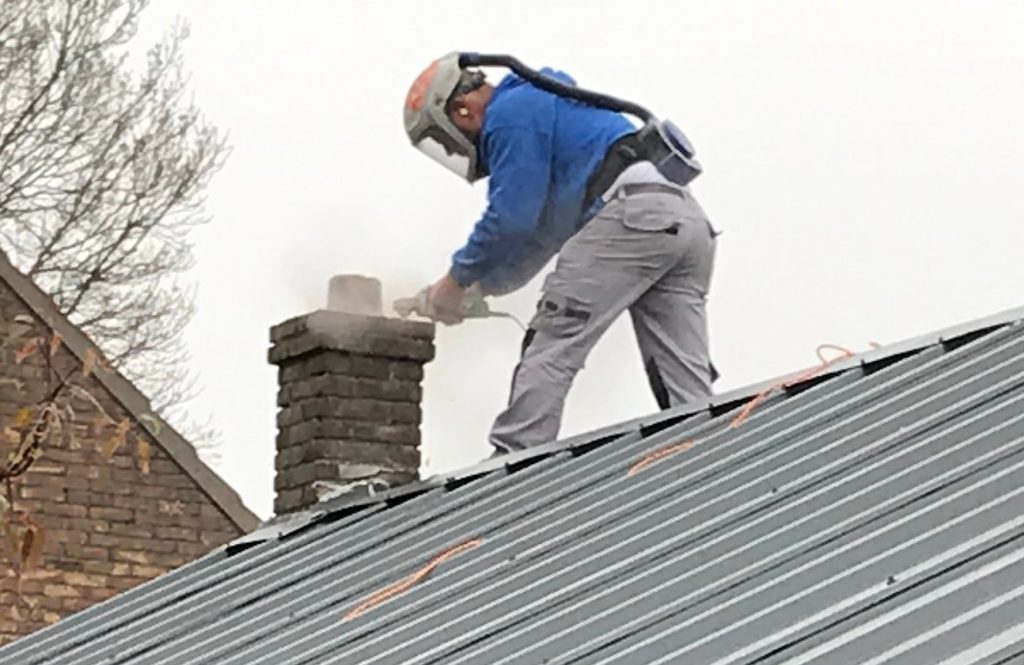
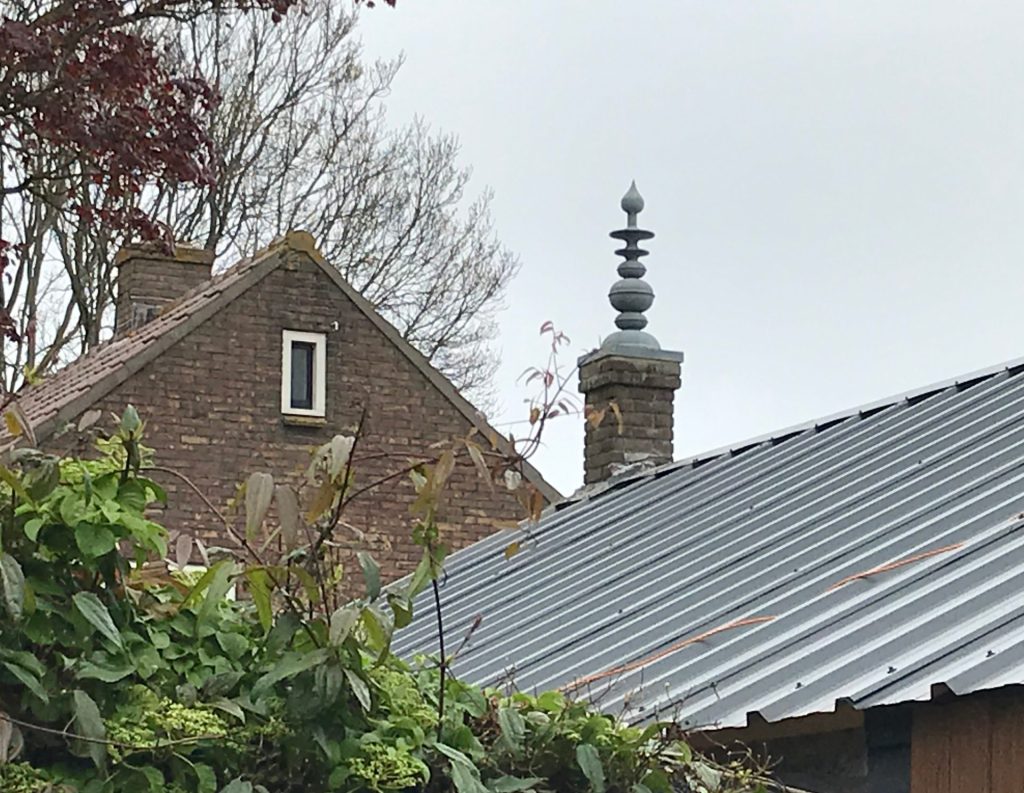
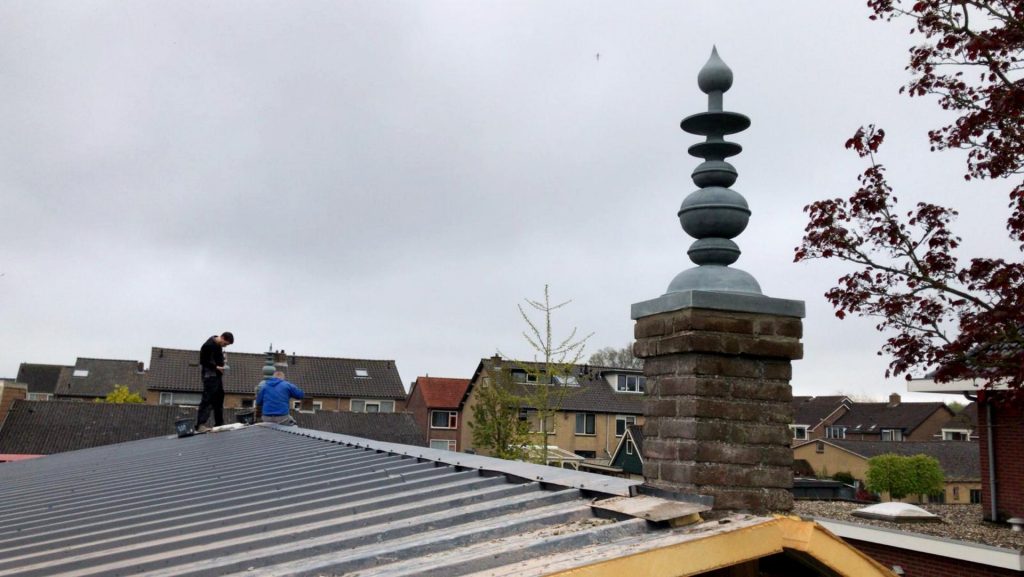
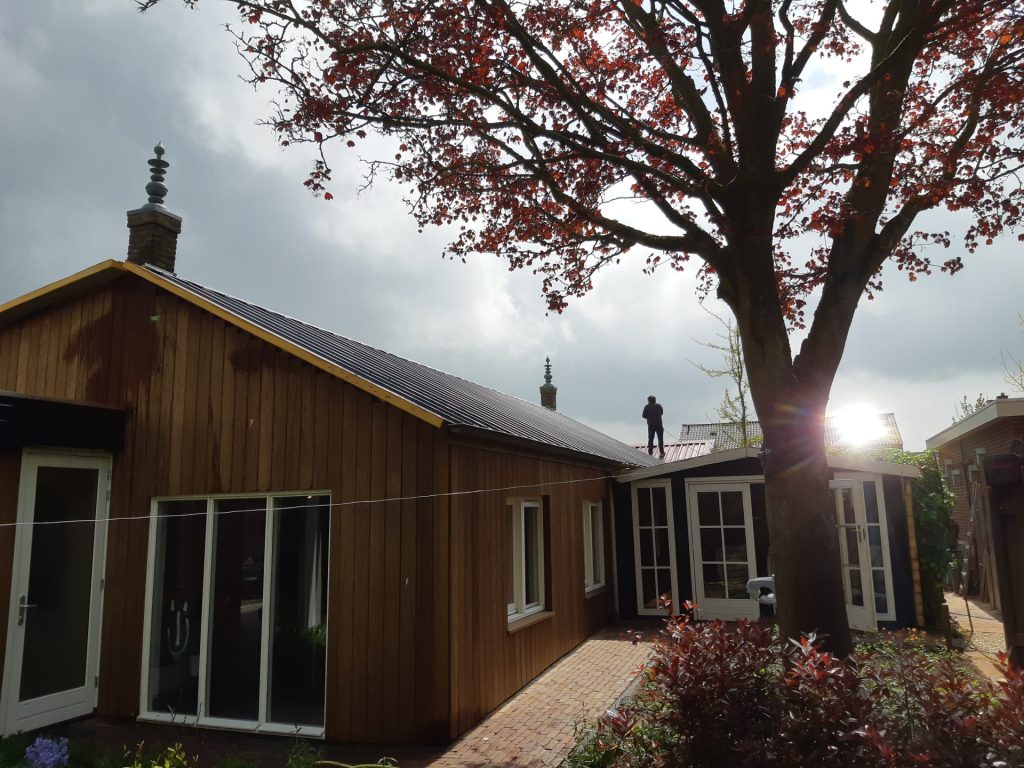
    Kalasams are ornaments atop a Hindu temple, usually made out of brass but sometimes stone. Traditionally they were used to store rice, so that after a disaster it could always be resown. They are intended to protect the temple. Also see the English Wikipedia. In this case I was asked to make these Kalasams for the temple of Onderdijk. This hall got a new roof, and though first was thought of removing all three chimneys, later on was decided to keep the two little ones as a pedestal for these kalasams. They serve as the crown on top of the temple.

    Drawing and sawing

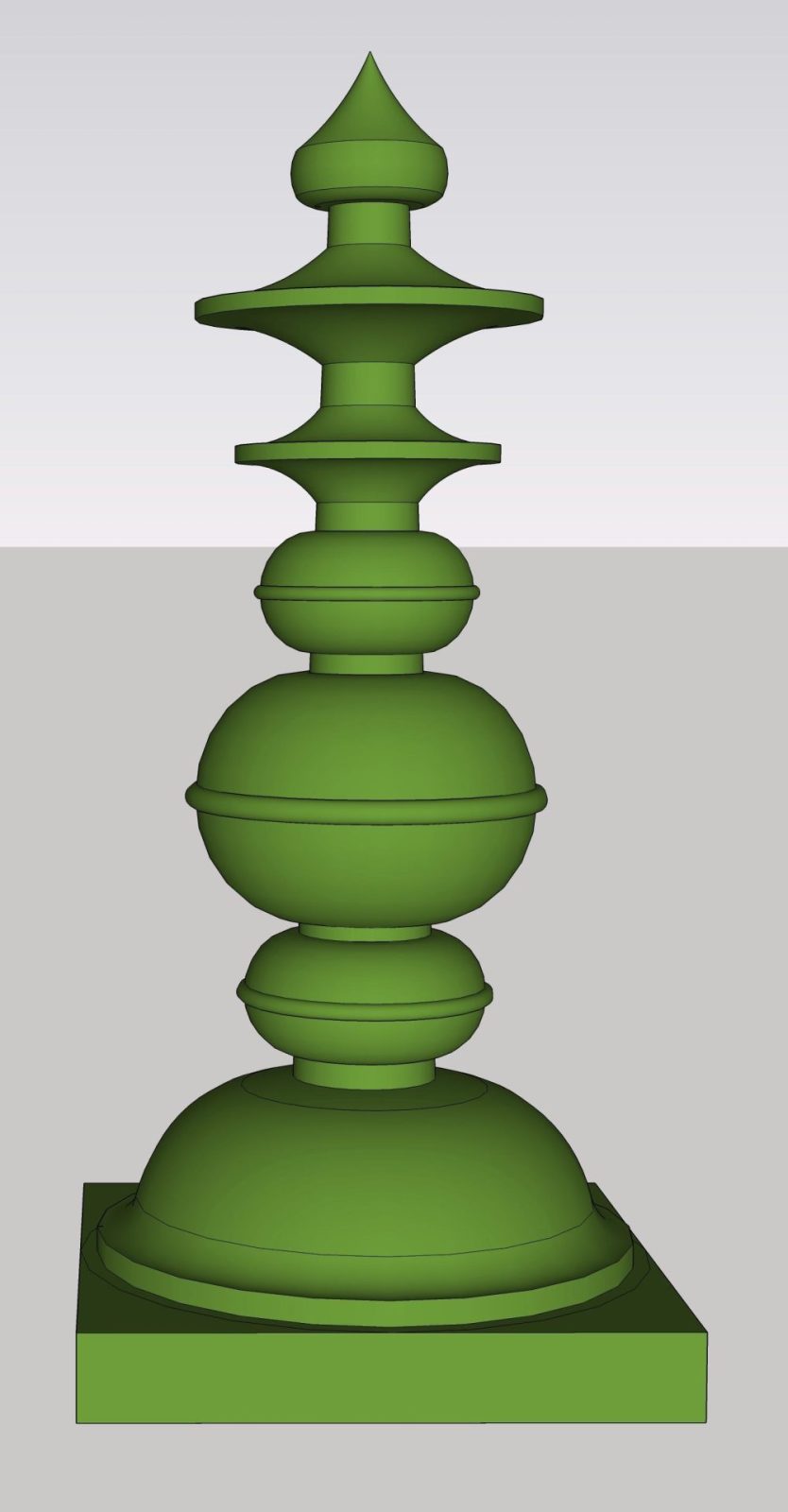
    3d sketch
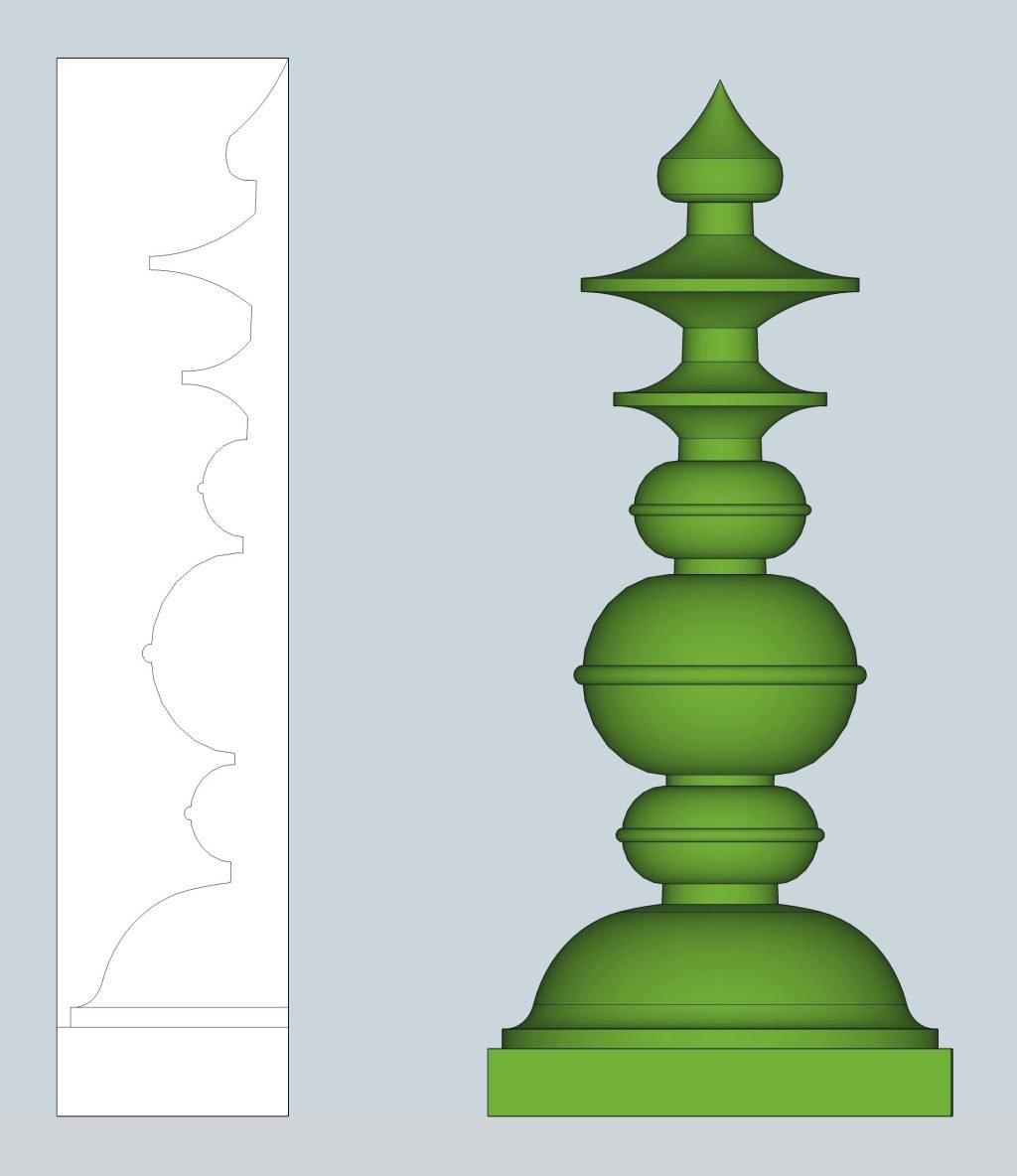
    side view and cross section of the two kalasams in green dolomite limestone (Anröchter Grünstein)
    side view and cross section

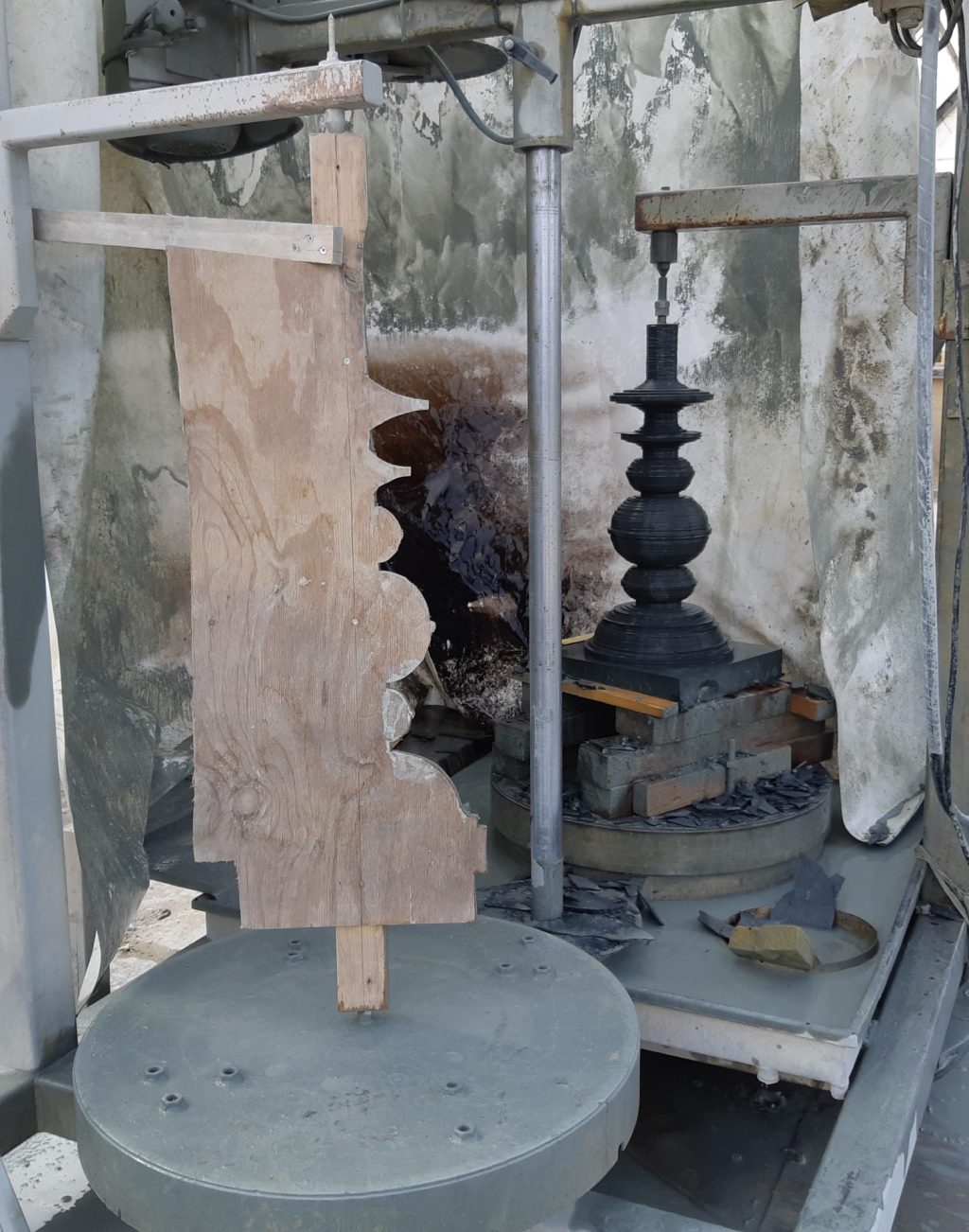
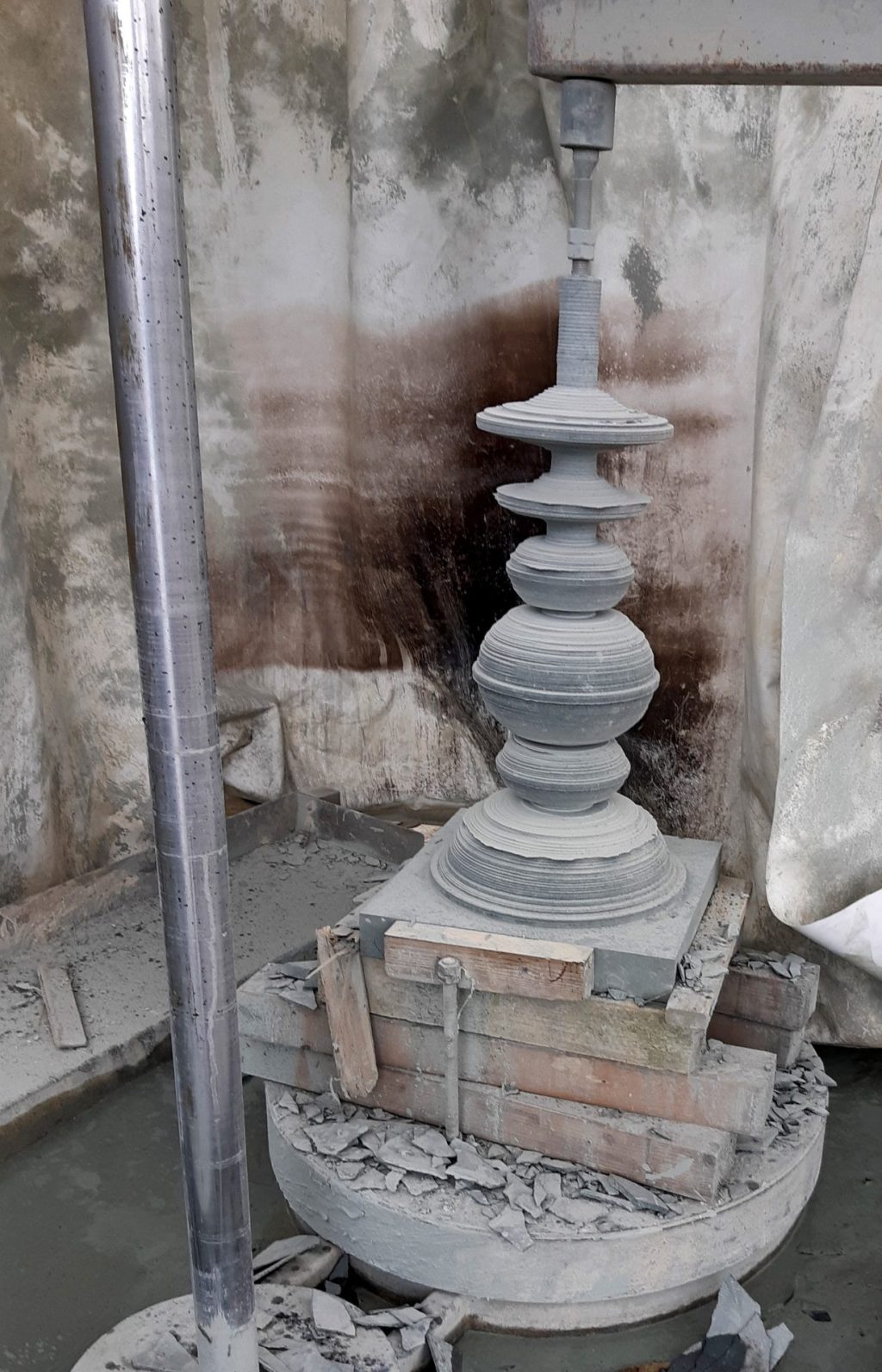
    I drew a model on the computer based on photos using Sketchup, from which, after some adjustments, I printed a profile. I used that for a full-size wooden profile template, that I could use on my sculpture sawing machine. With this copying saw I was able to cut out of the stone, just like a vertical lathe, the ornaments in several steps. However, sawing in dolomite is a very slow process, so I was kept busy for a few days sawing each kalasam.

    Buffing and sanding

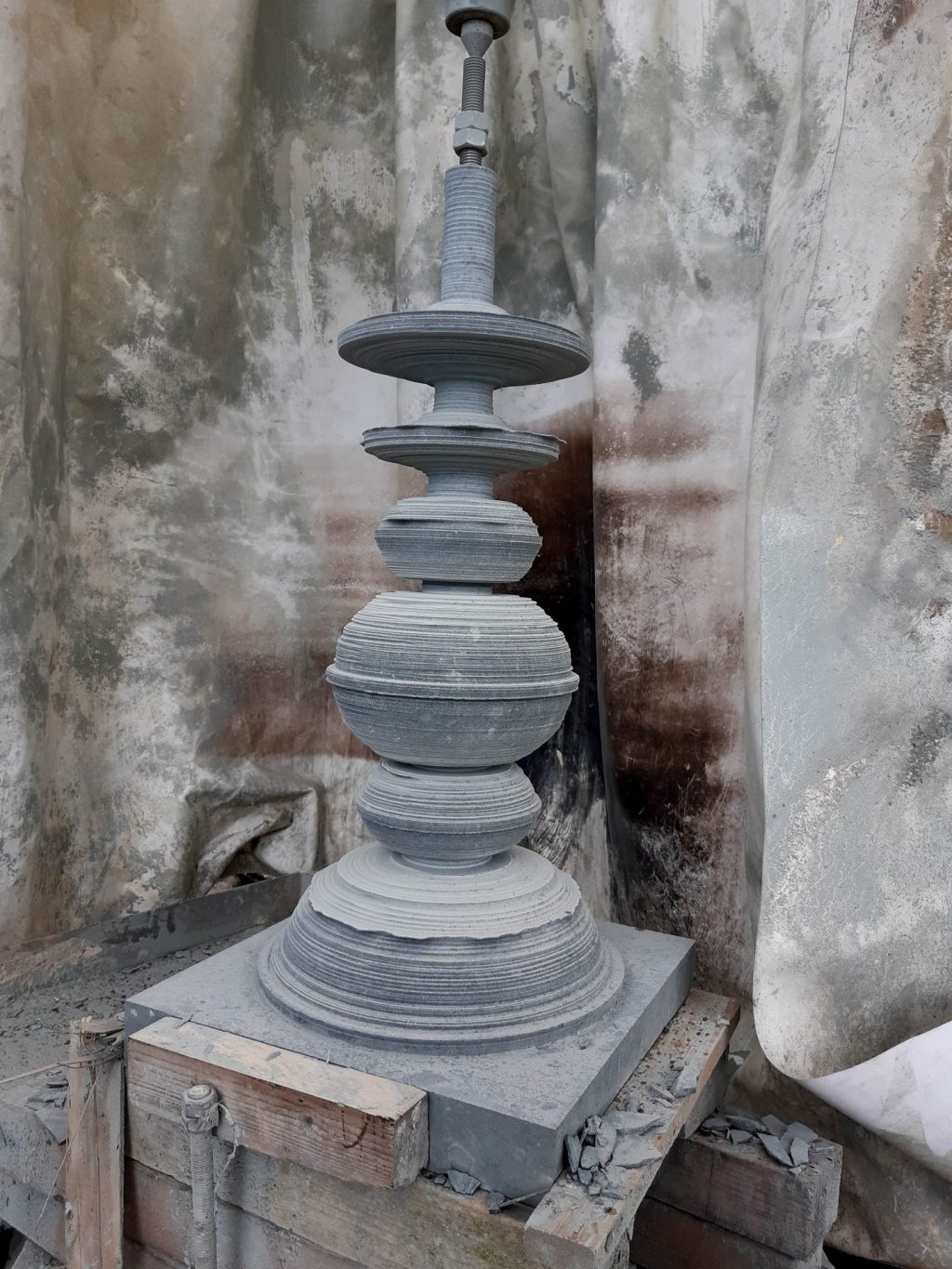
    one of two kalasams in green dolomite limestone (Anröchter Grünstein)
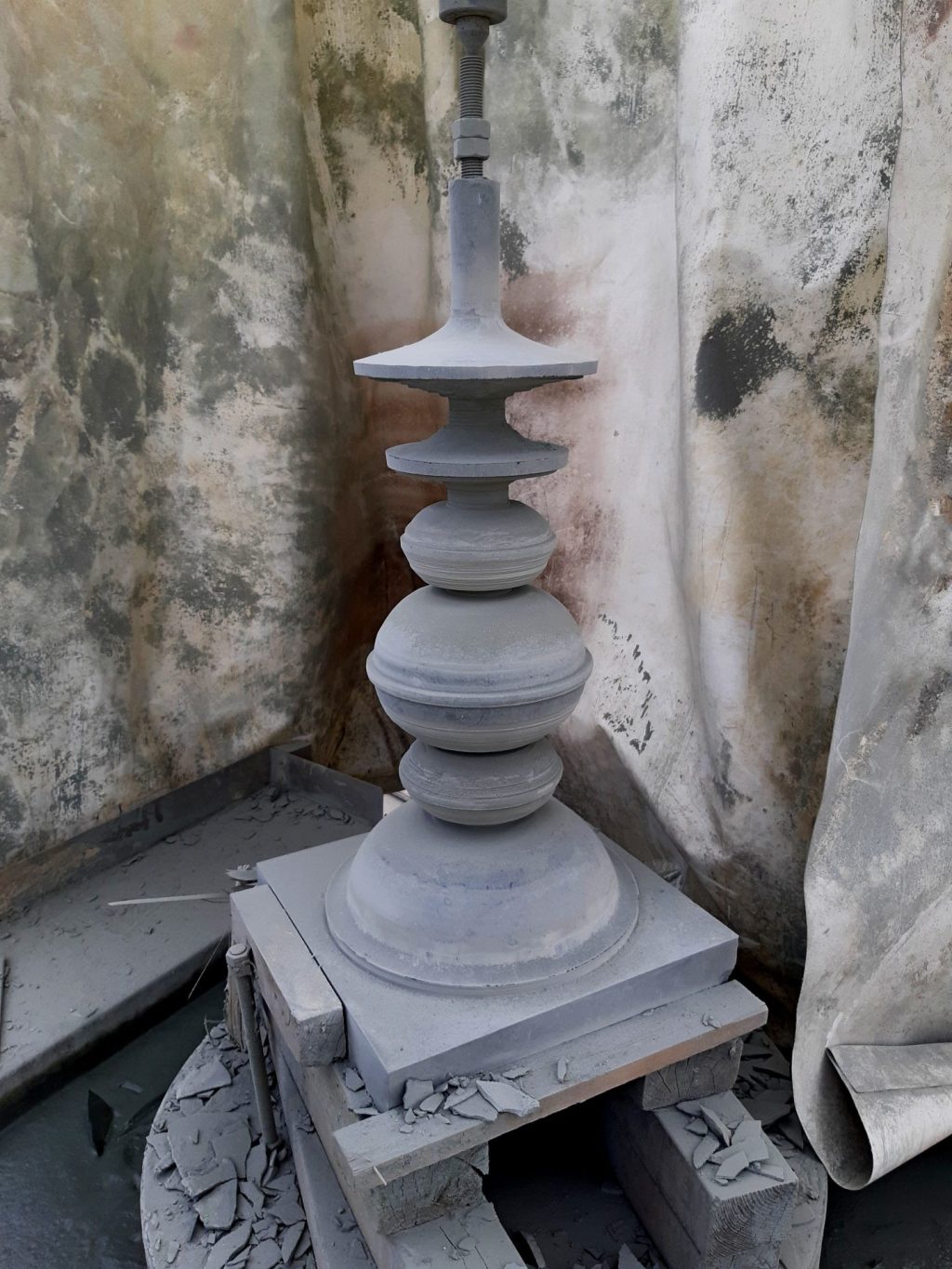
    first turning work

    But just with this sawing work you're far from finished. The result is still not accurate enough and very striped because in fact it consists of lots of saw cuts that run horizontally around the ornament. I have been busy shaping for a few more days, sanding, grating and filing until it was to my liking. And because these are all difficult shapes, I just had to do a lot by hand. I finally sanded the two ornaments down to grain 200, so it wouldn't get too dark and shiny. A little bit matte light green, like a copper roof, seemed nice to me. Over time, this stone will weather to this color on its own.

    Finial

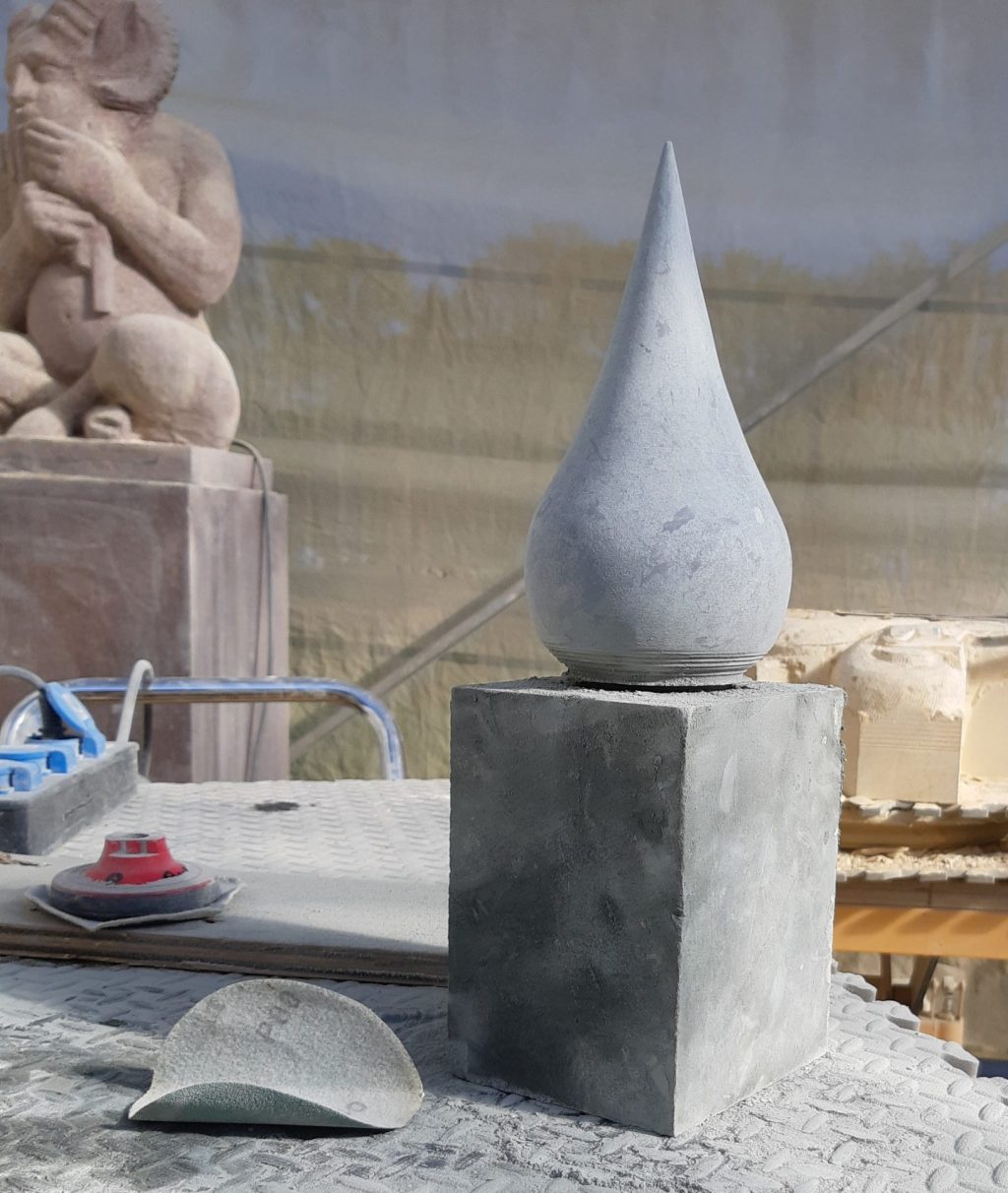
    crowning for one of two kalasams in green dolomite limestone (Anröchter Grünstein)
    the first version of the capstone was much too pointed

    As a last part I still had to make two separate cover knobs, which I also cut out with the lathe first. I had a very slender shape in mind, but when I put the parts together it all turned out to be out of proportion. The stem was still too long and the bud was too much Efteling theme park style. After I had adjusted all that, I was happy. I made it so that the button sits like a lid over the stainless steel threaded rod and the stem. It has become quite a slender ensemble, but the reinforcement in it makes it surprisingly strong.

    Installing

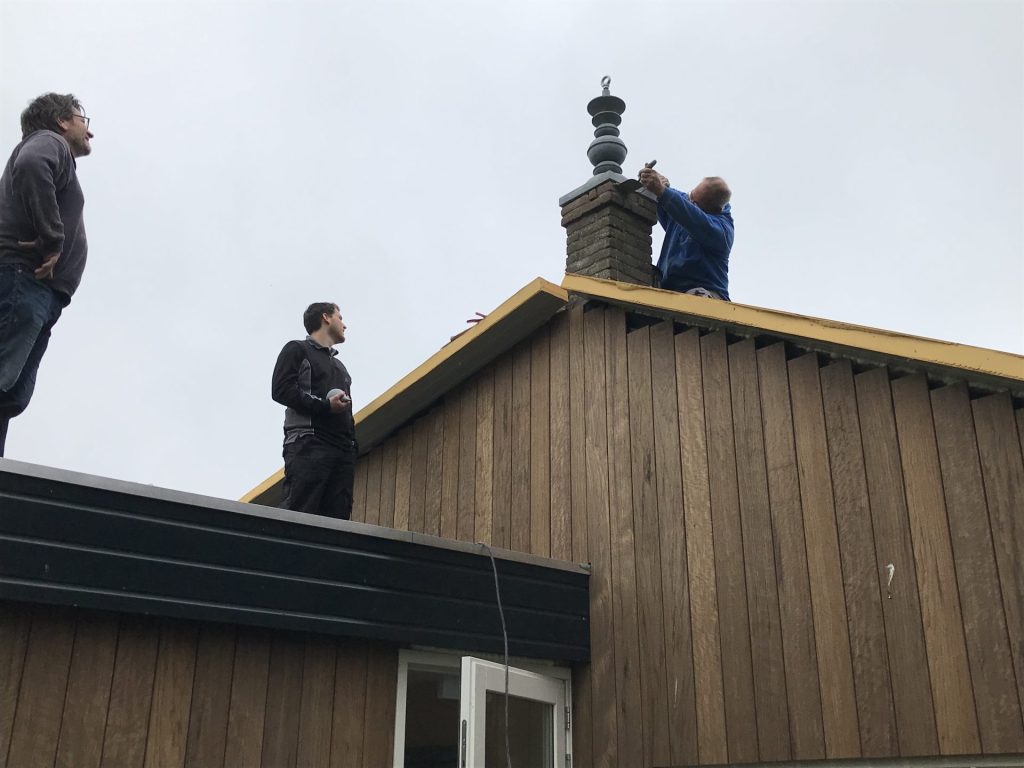
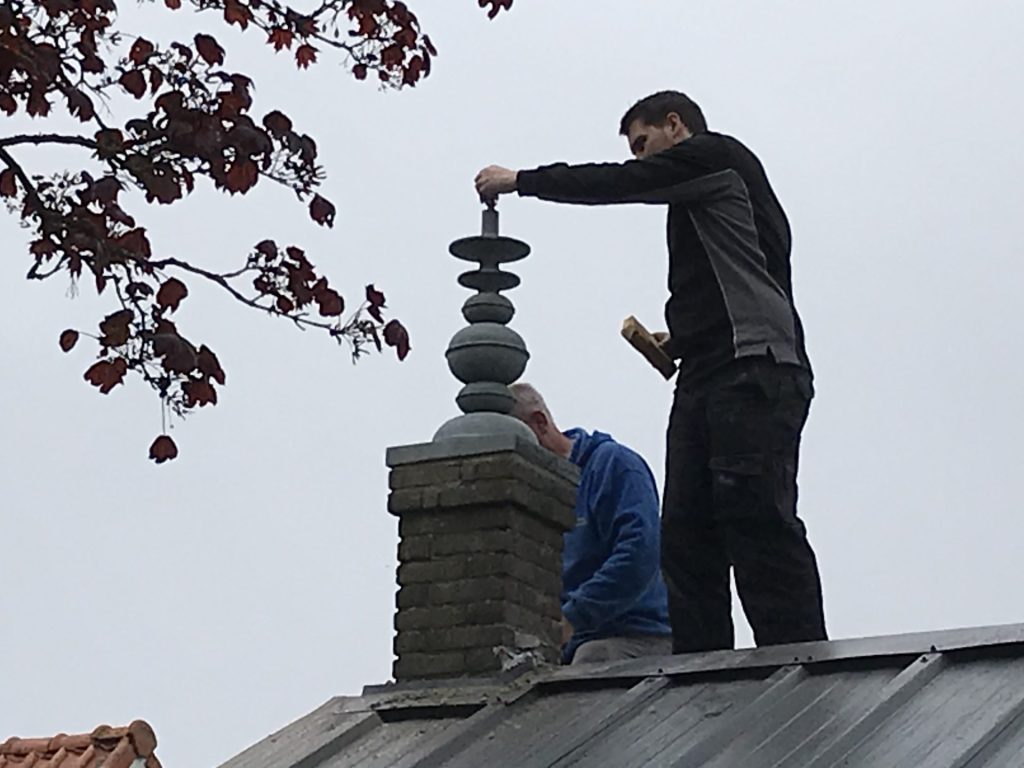
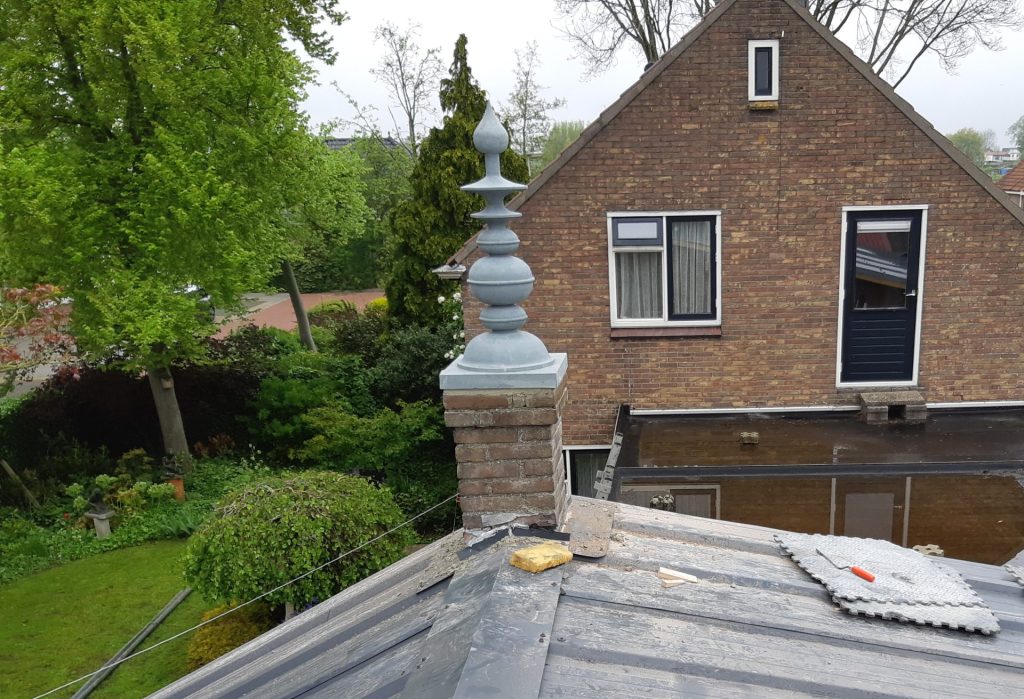
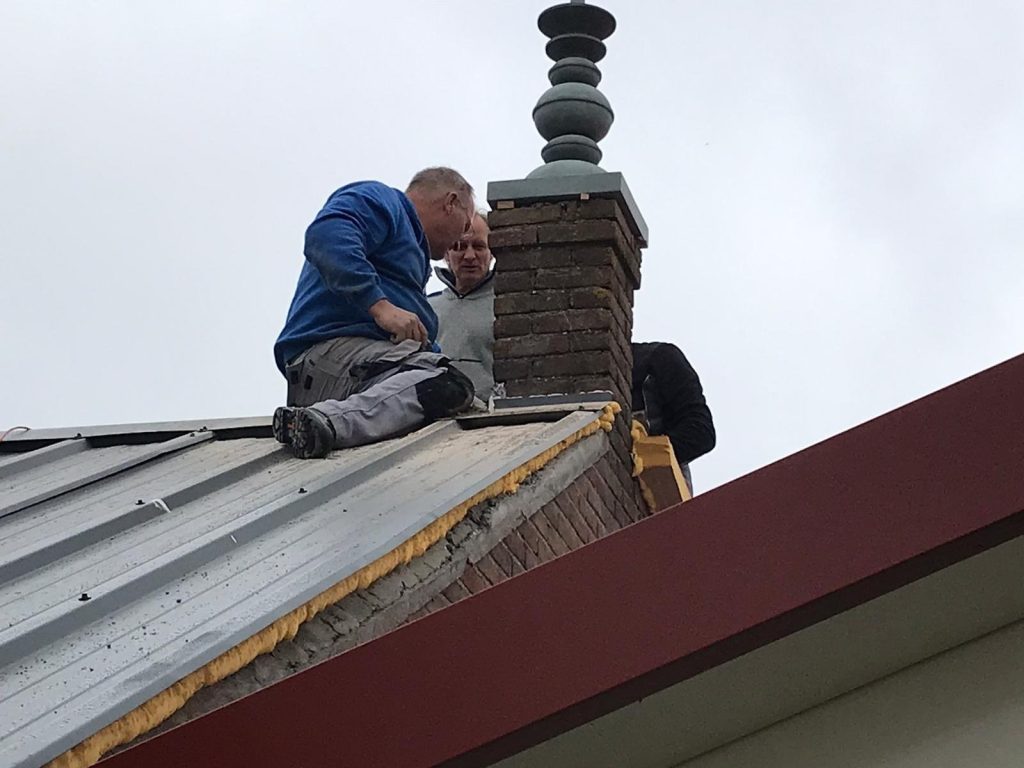
    first of the two Kalasams is installed
    first one installed

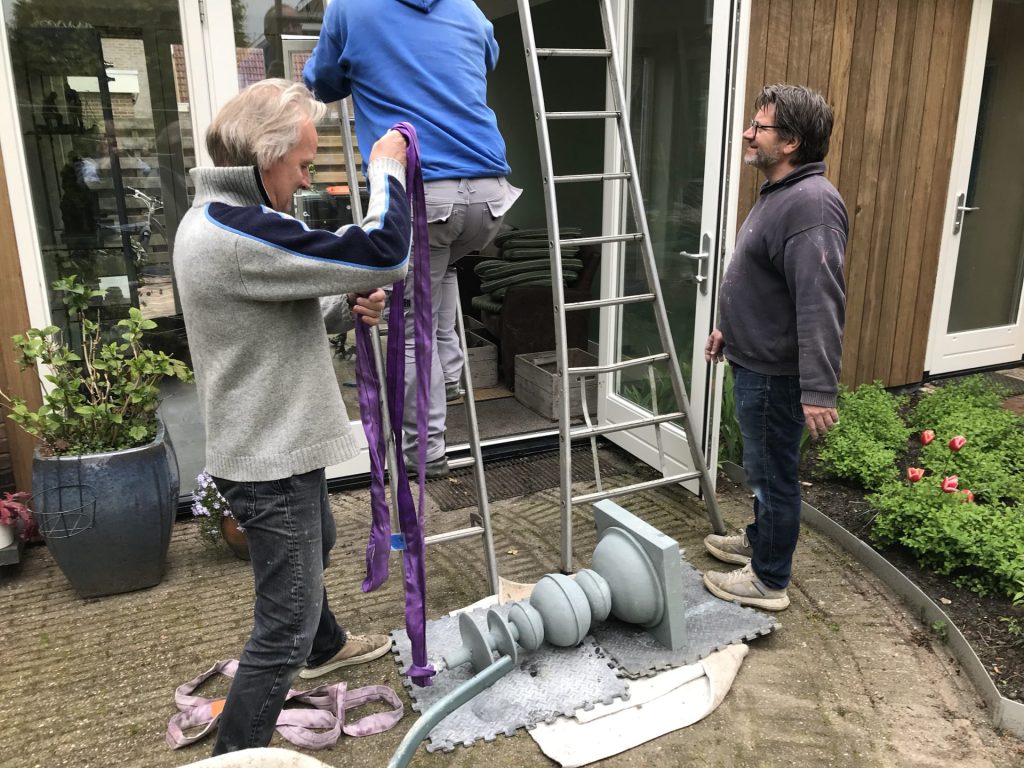
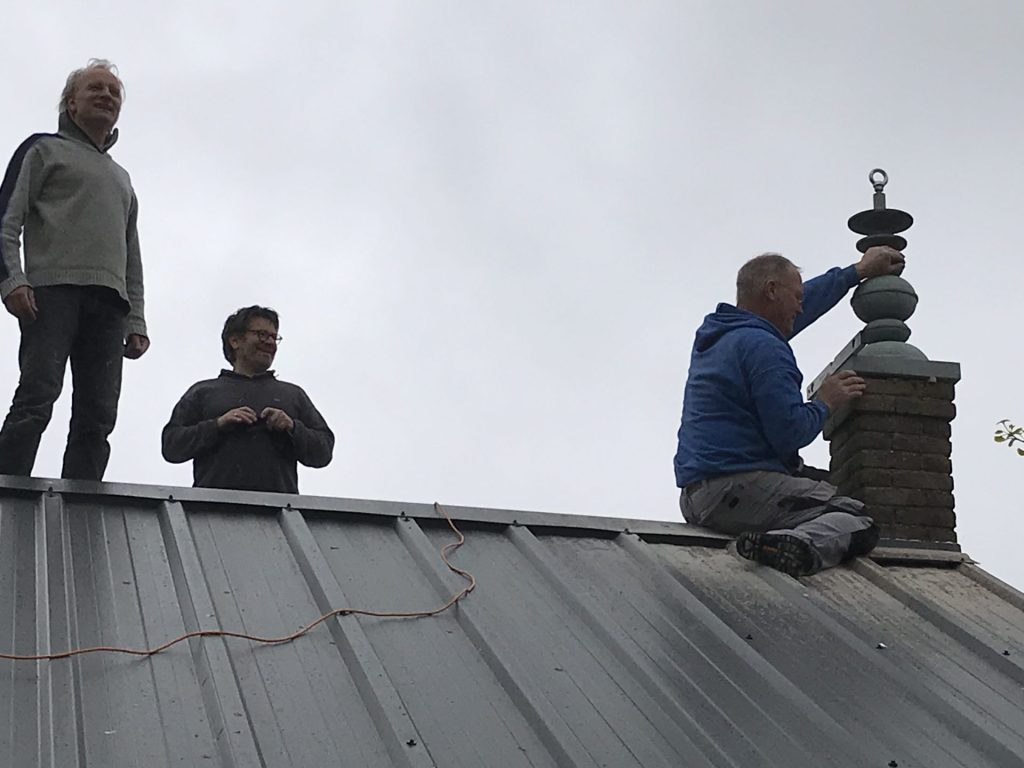
    I had thought beforehand that it would be useful if the two Kalasams each consisted of two parts: the actual ornament and a loose peak. Then I could screw on an eye bolt so that I could hoist the piece in the workshop and it could also be handy on the roof.

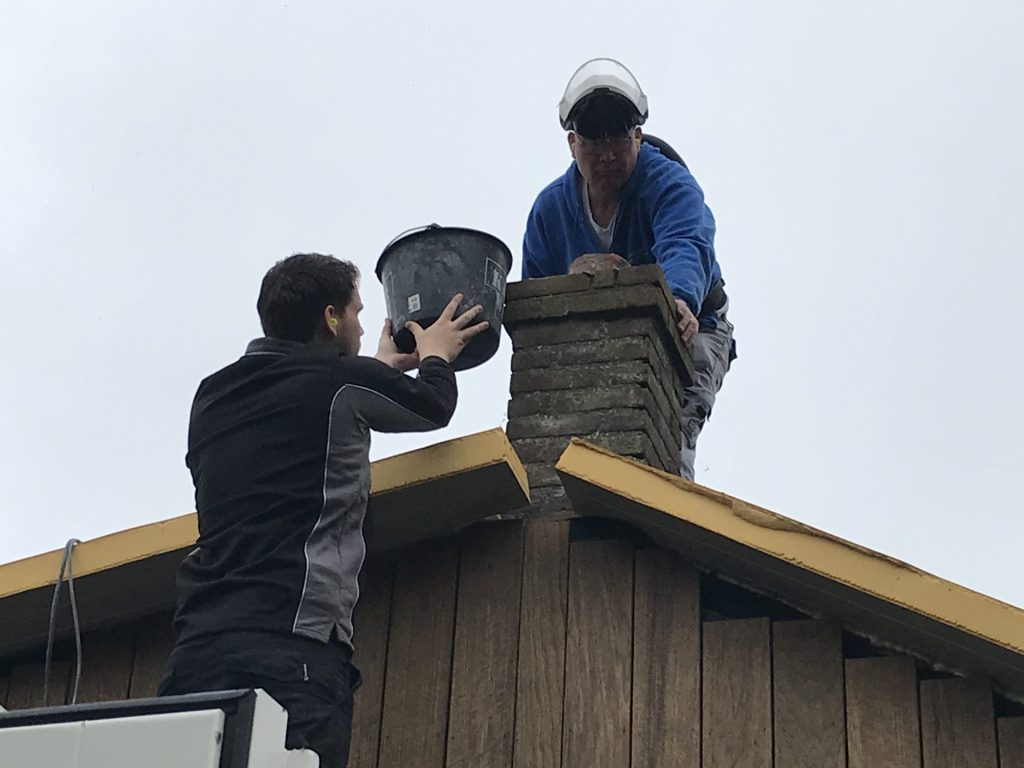
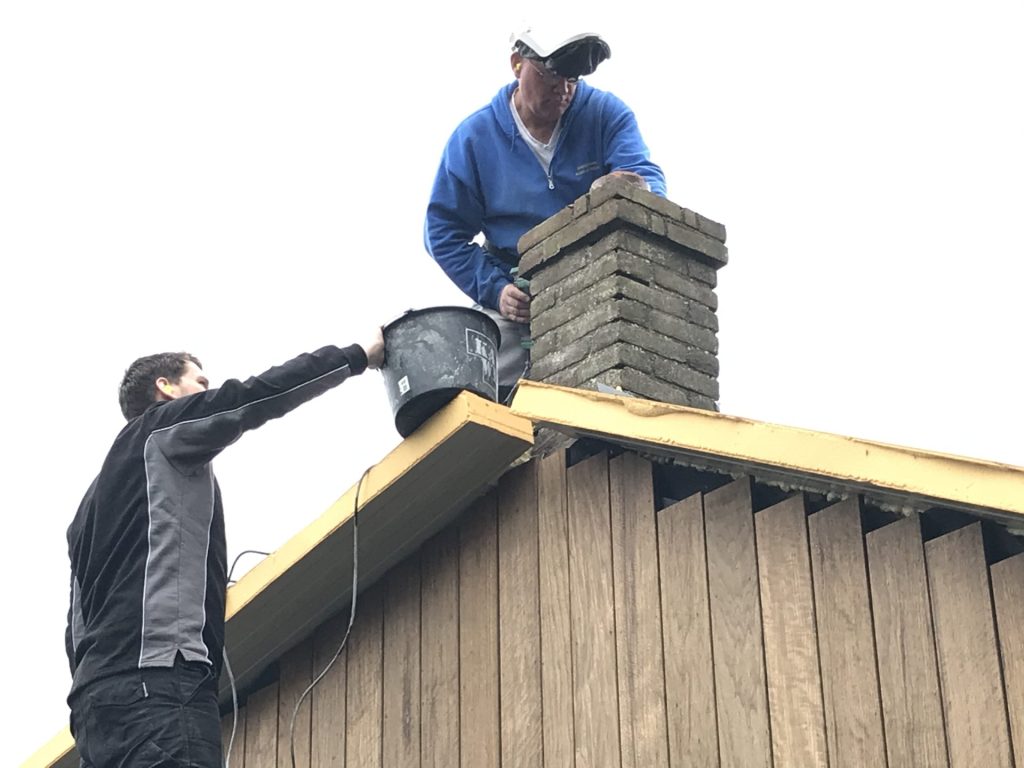
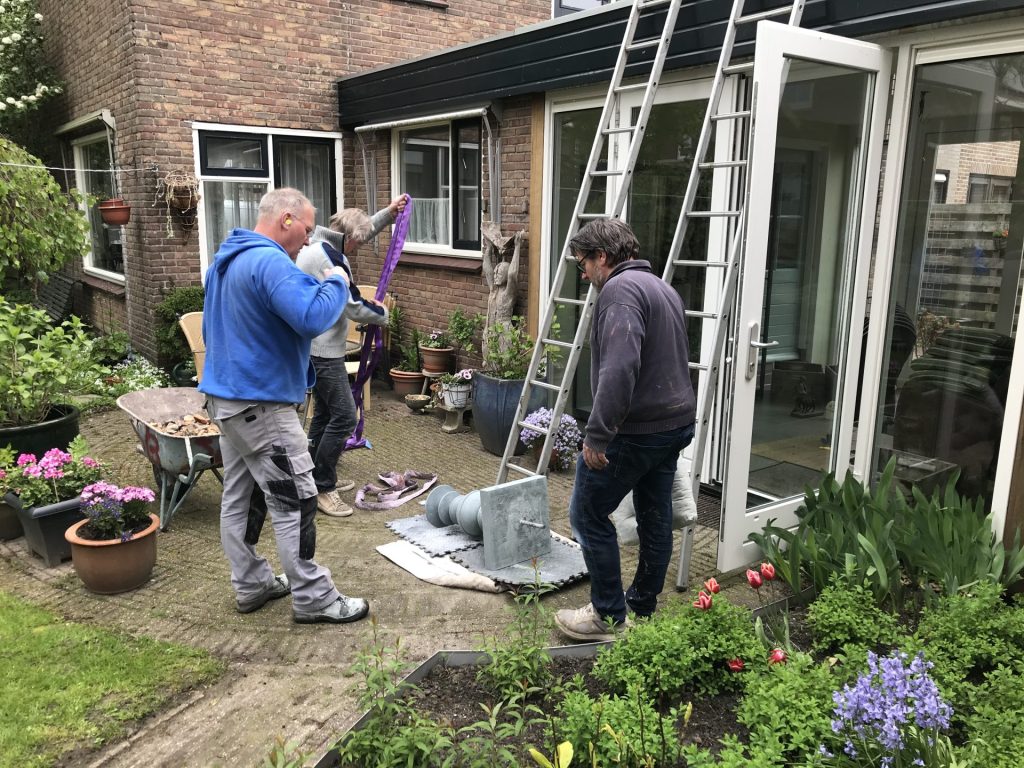
    That turned out alright. I had prepared it all well and because many hands make light work, they were in their place on the chimneys in no time. With a long lifting strap onto the eye bolt, two men on top and two on the bottom, we could easily hoist them onto the roof. I suspect they weigh around 60 kilos, but it was doable this way. They are 80 x 40 x 40 cms tall. A little bit of adjusting, attaching the cap and filling the joints and it was done.
     

    Gallery

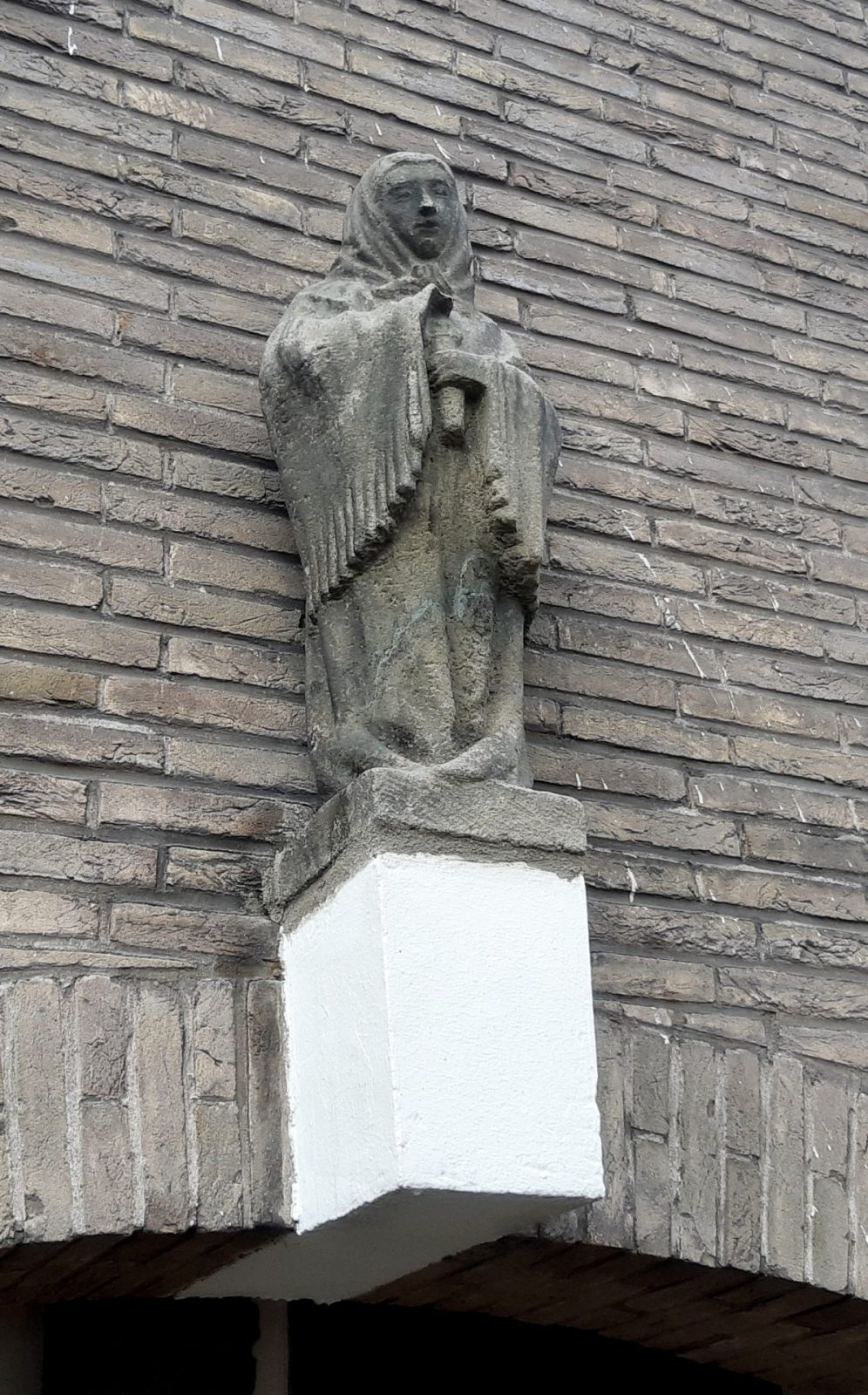
  • The Four Seasons of Badhoevedorp

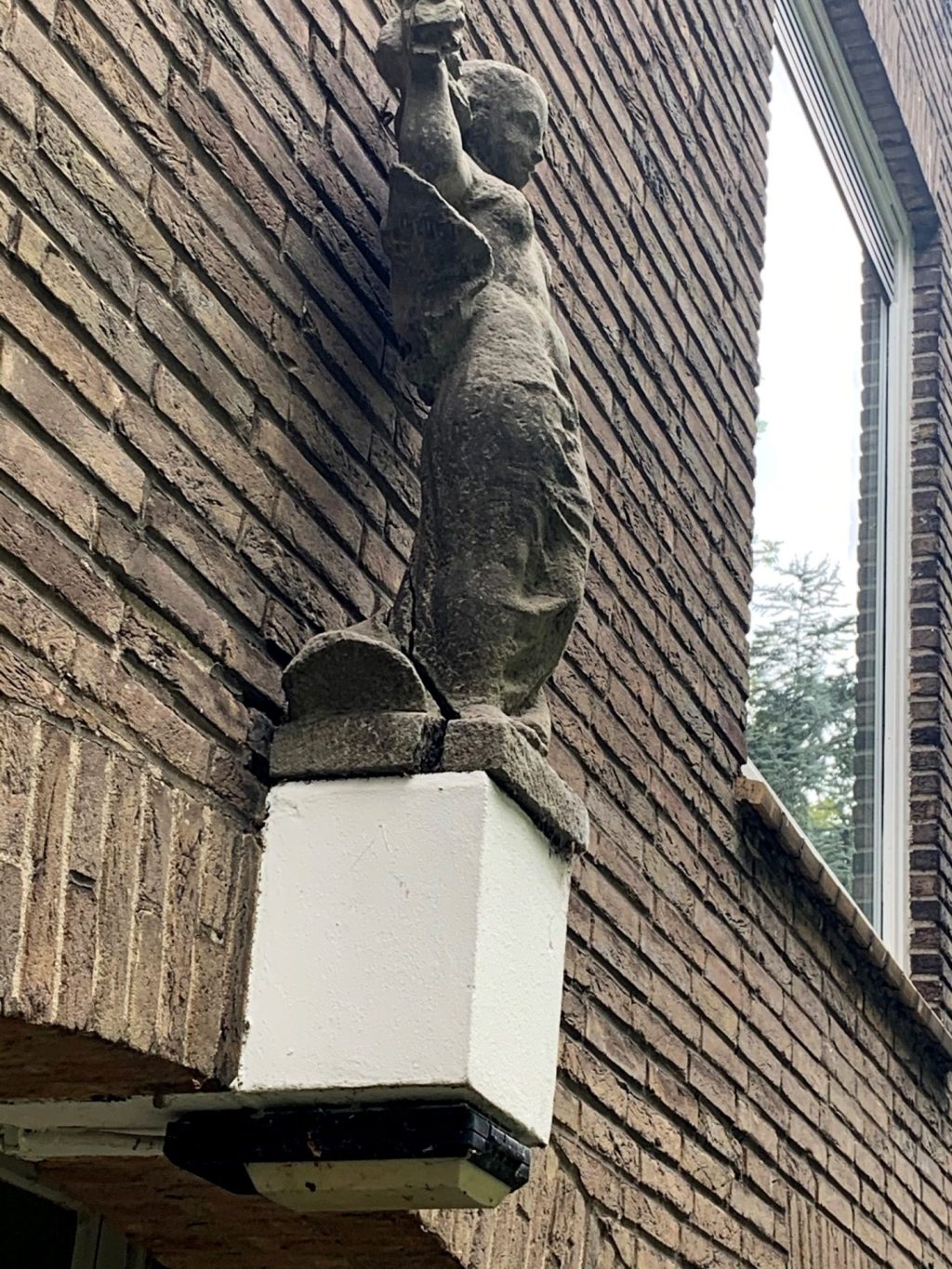
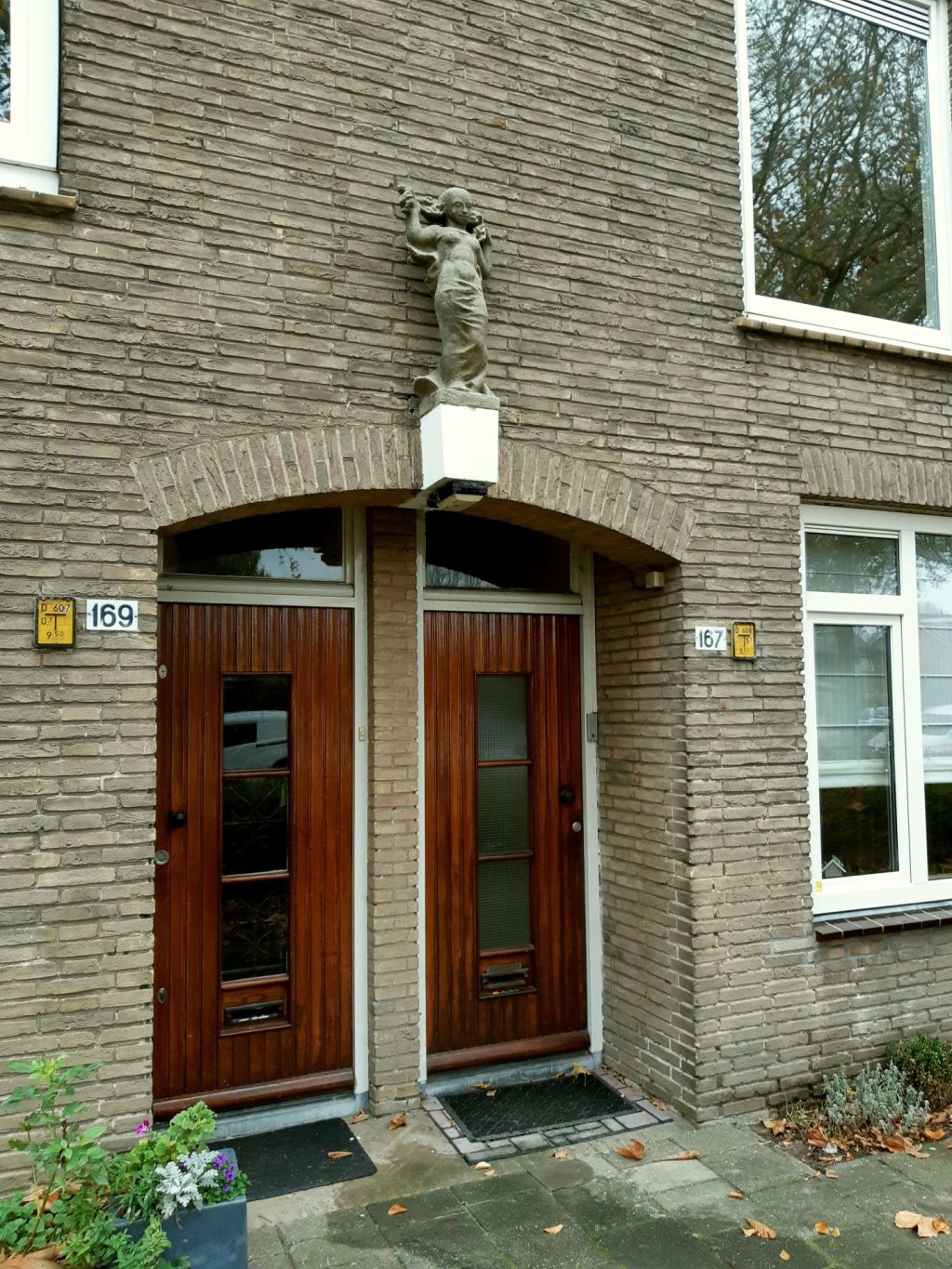
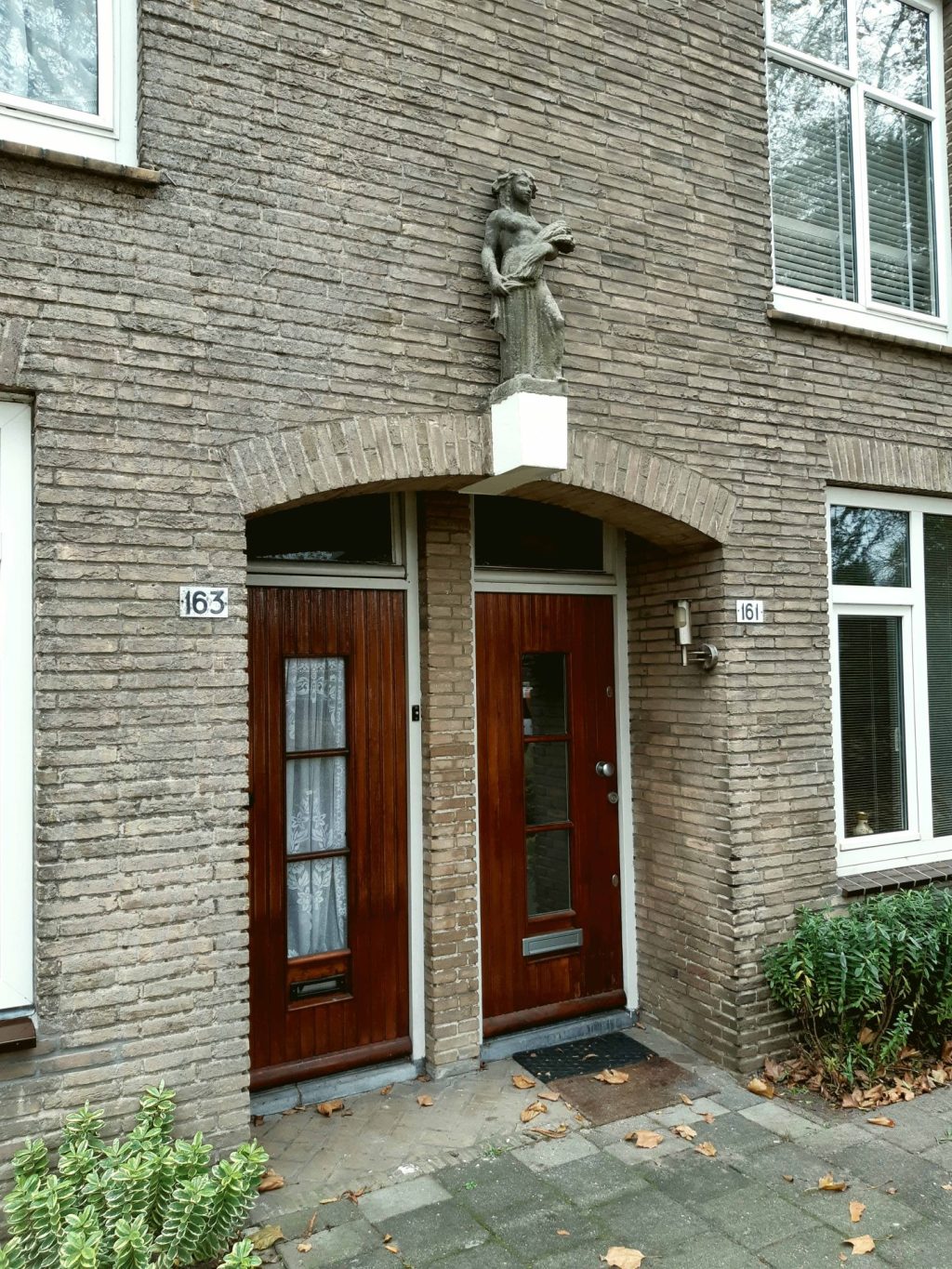
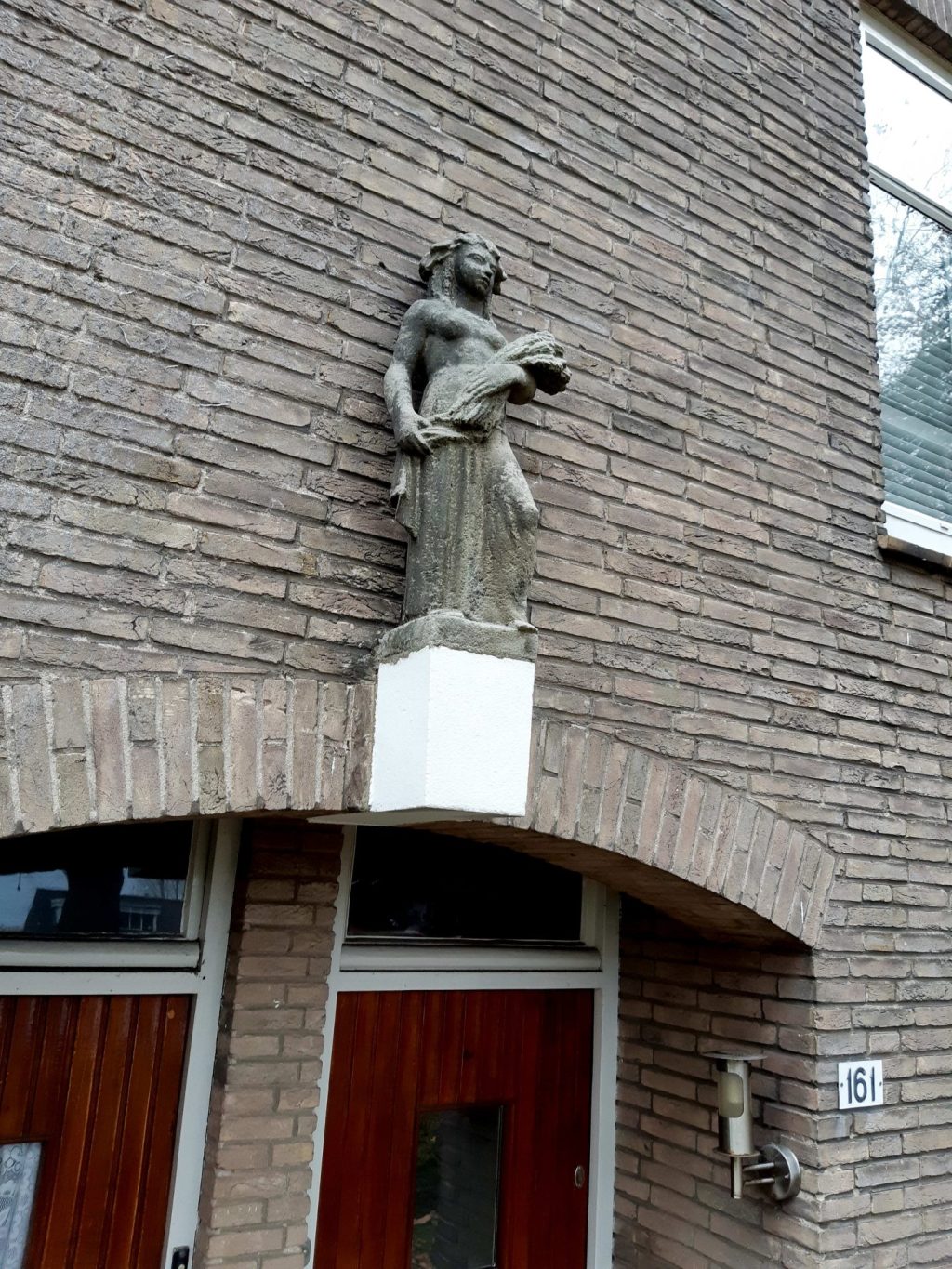
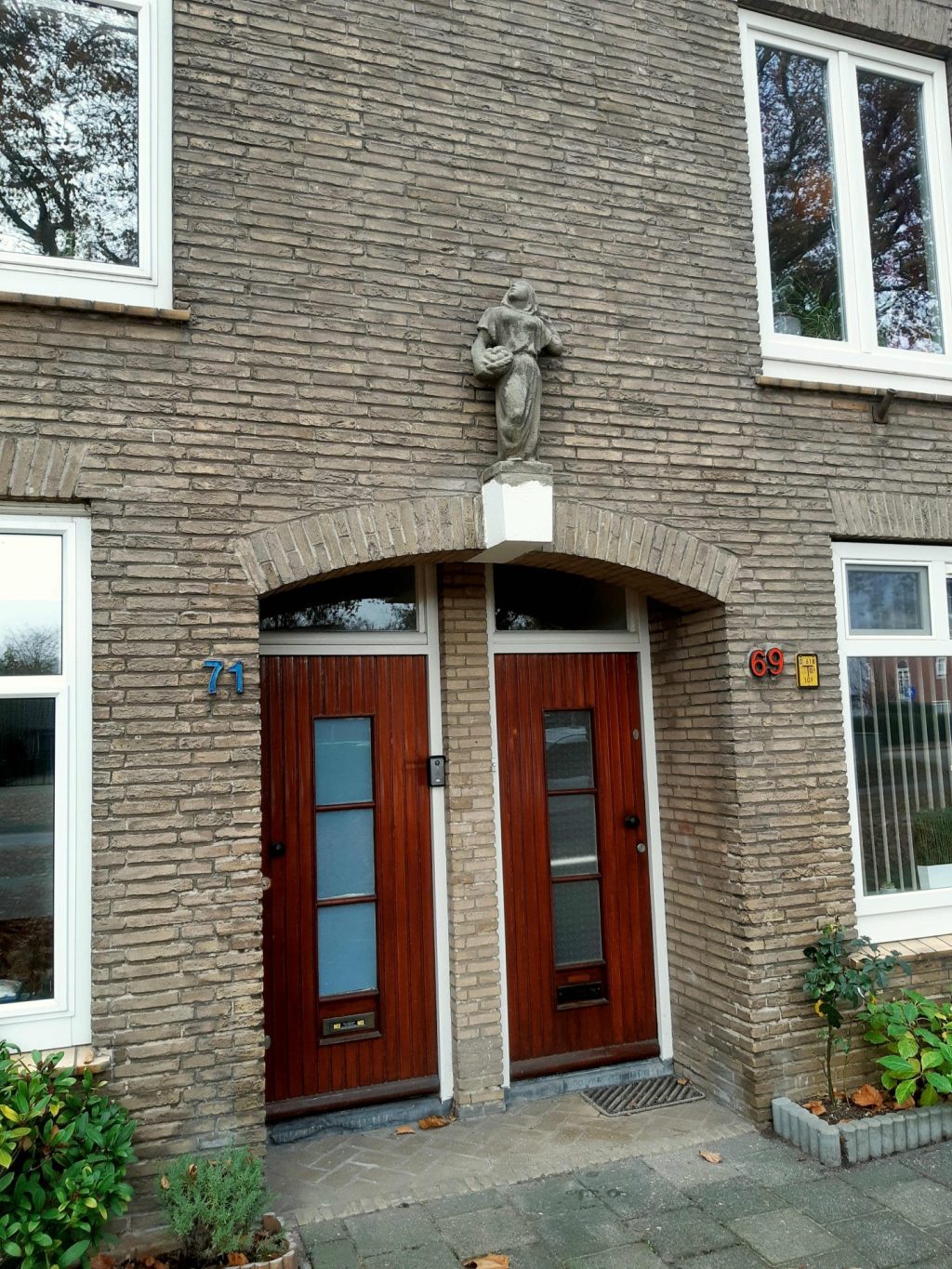
    block of houses with the figurines of the Four Seasons in Badhoevedorp

    An urgent case in Badhoevedorp

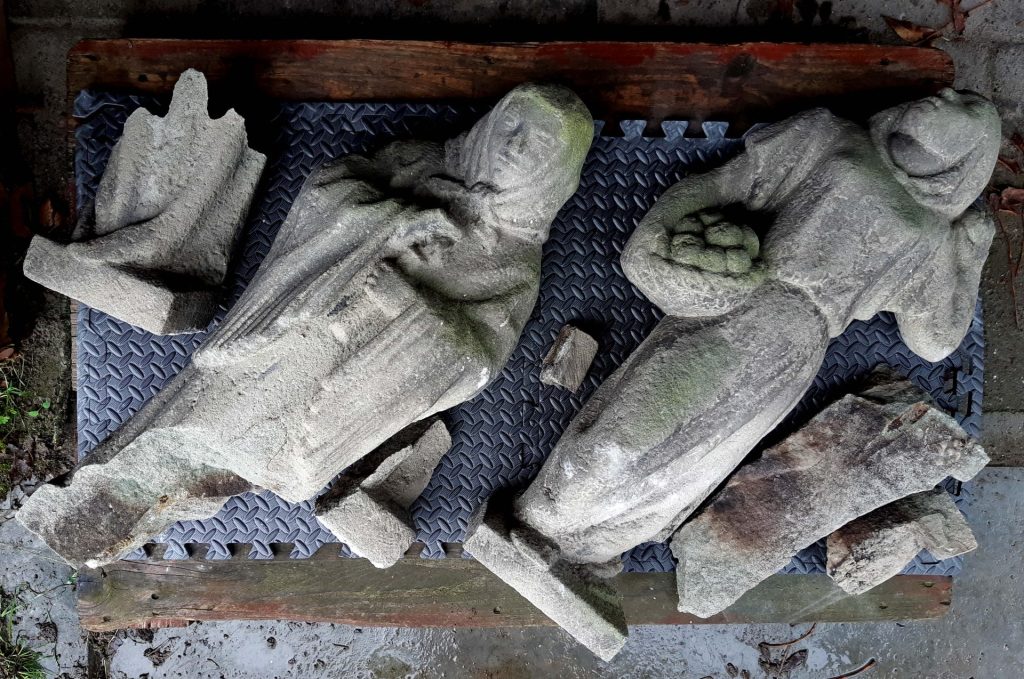
    figurine Spring Four Seasons broken

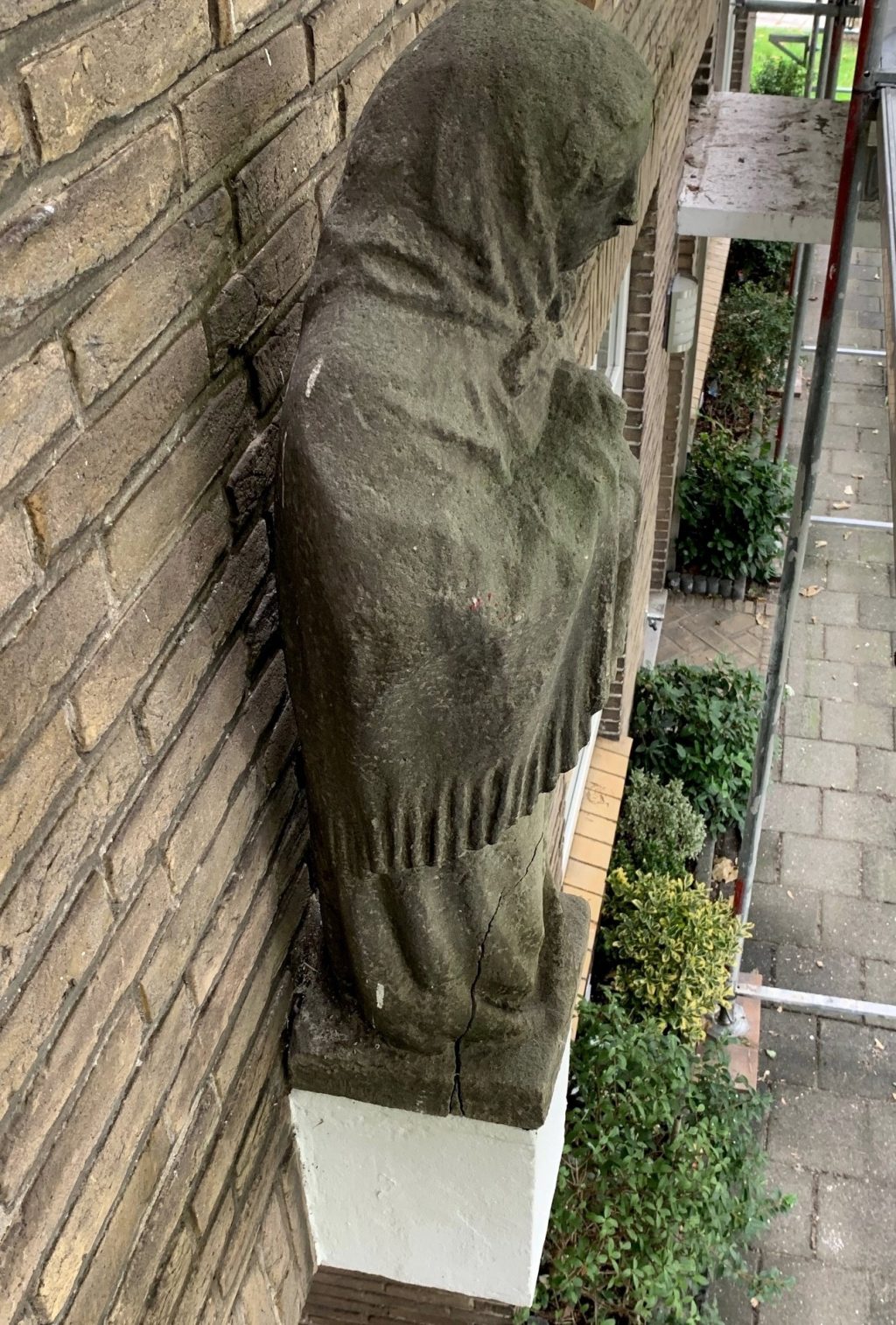
    Four sandstone statues from Badhoevedorp were in poor condition. We received an emergency phone call: Could we remove them in the shortest term possible, and repair and then reinstall them?.

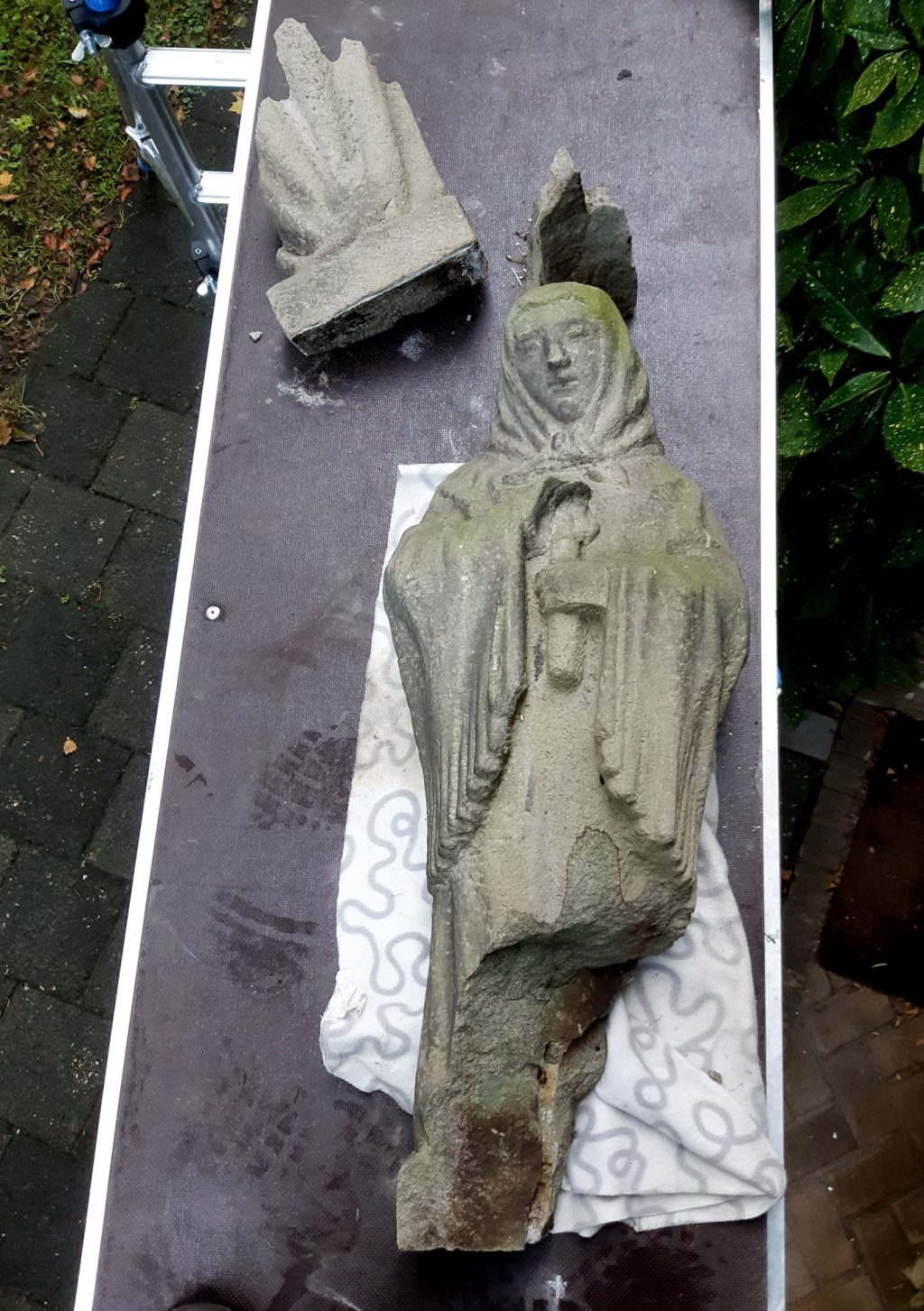
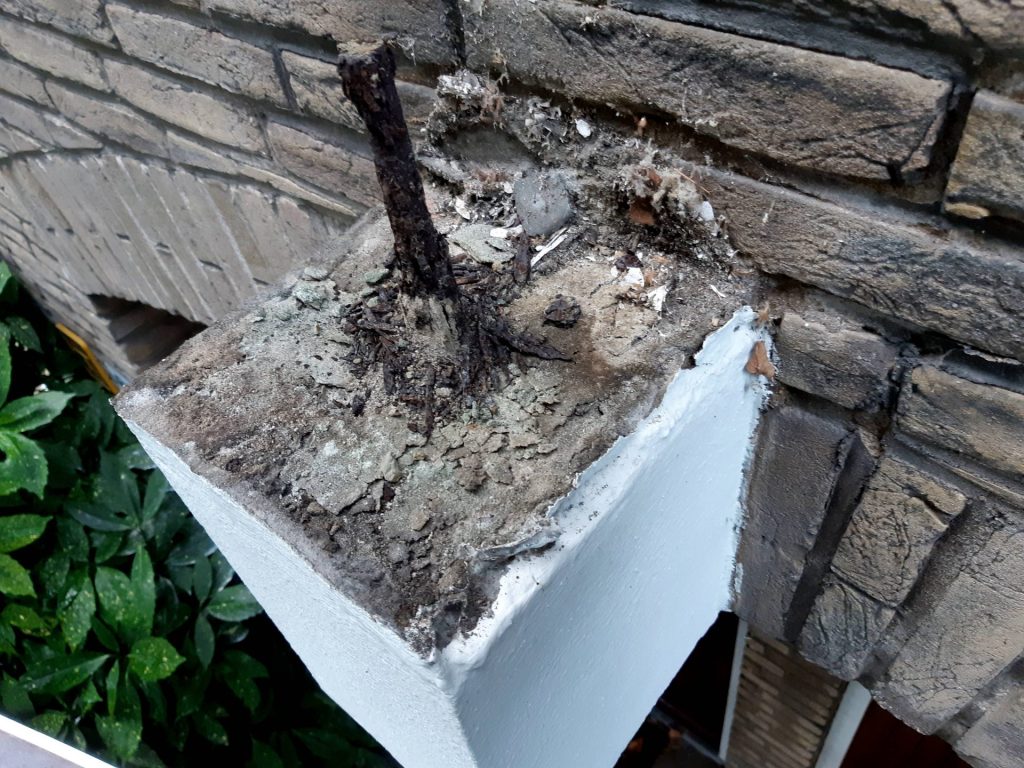
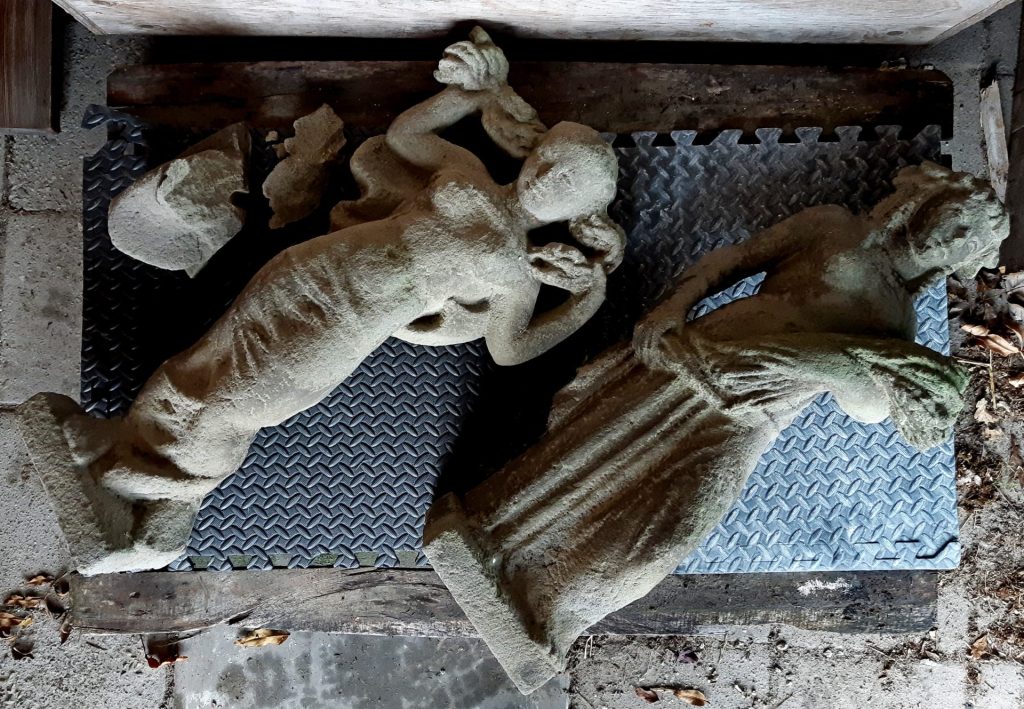
    When we got there it turned out that it was not for nothing. What I thought I'd seen in the pictures turned out to be correct: it was their anchorings. Due to corrosion in the iron pins on which the statues were placed,  they were cracked and three of the four sculptures stood shaky on their remaining shards, waiting for another storm to be their last. I was a bit shocked by the dangerous situation, for the statues were placed directly above the entrances!

    Four Seasons

    figurine Autumn reinstalled

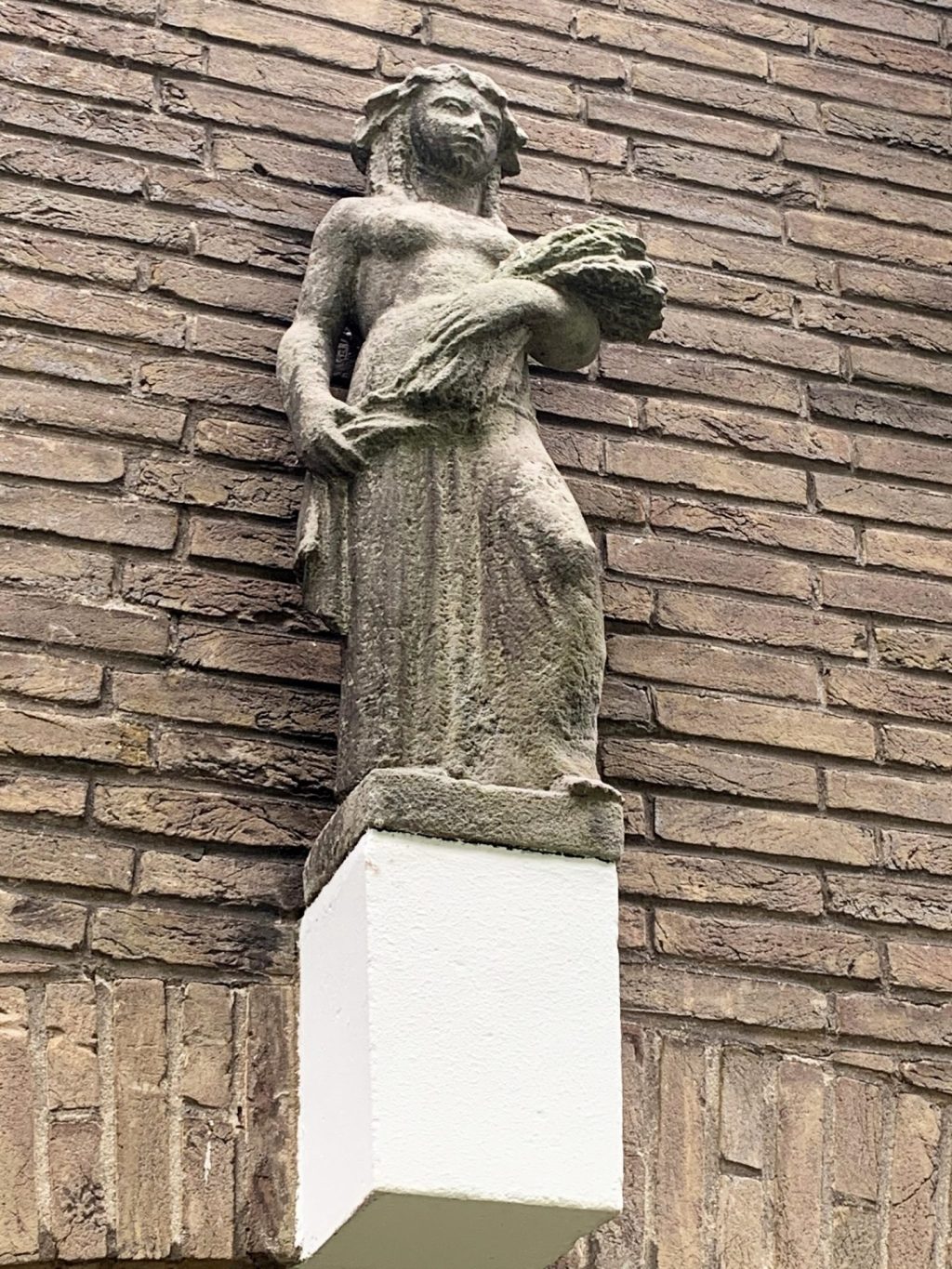
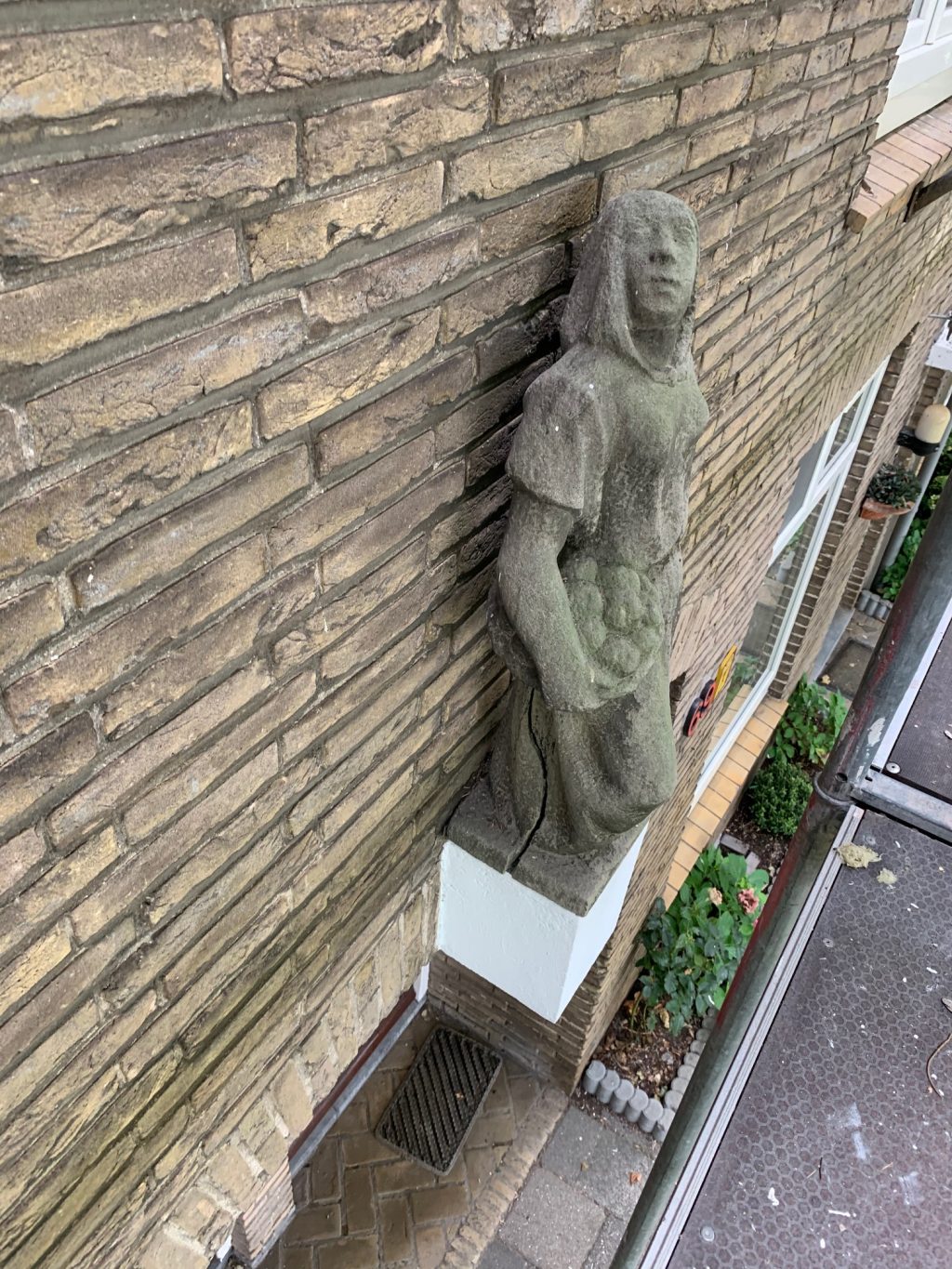
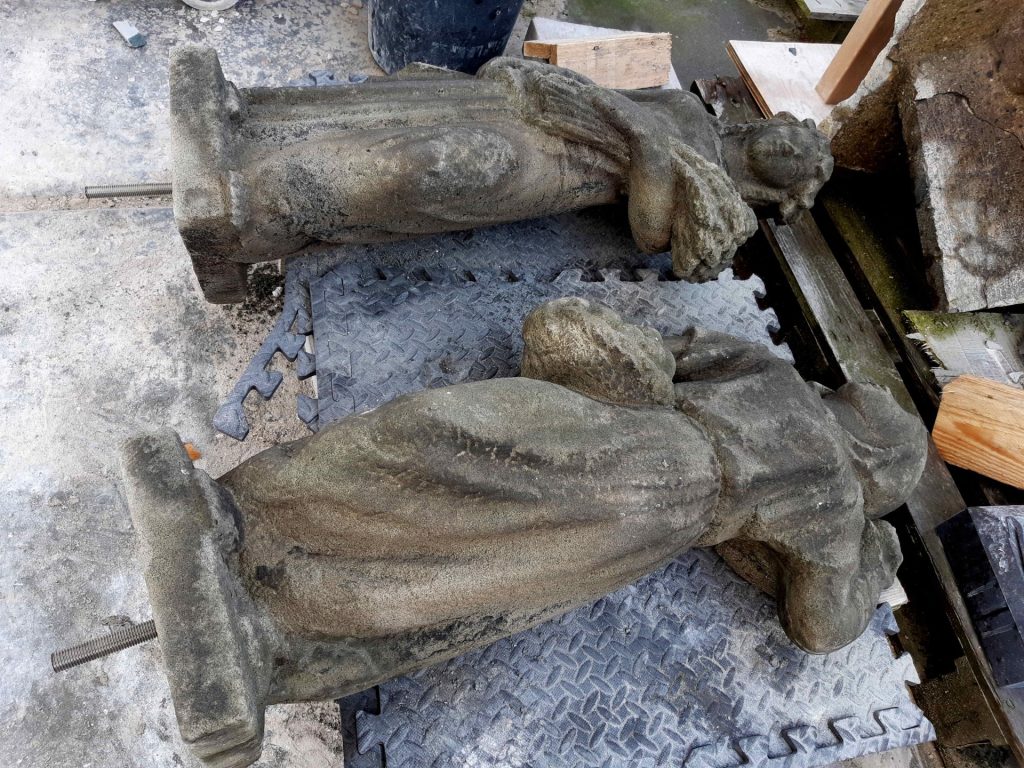
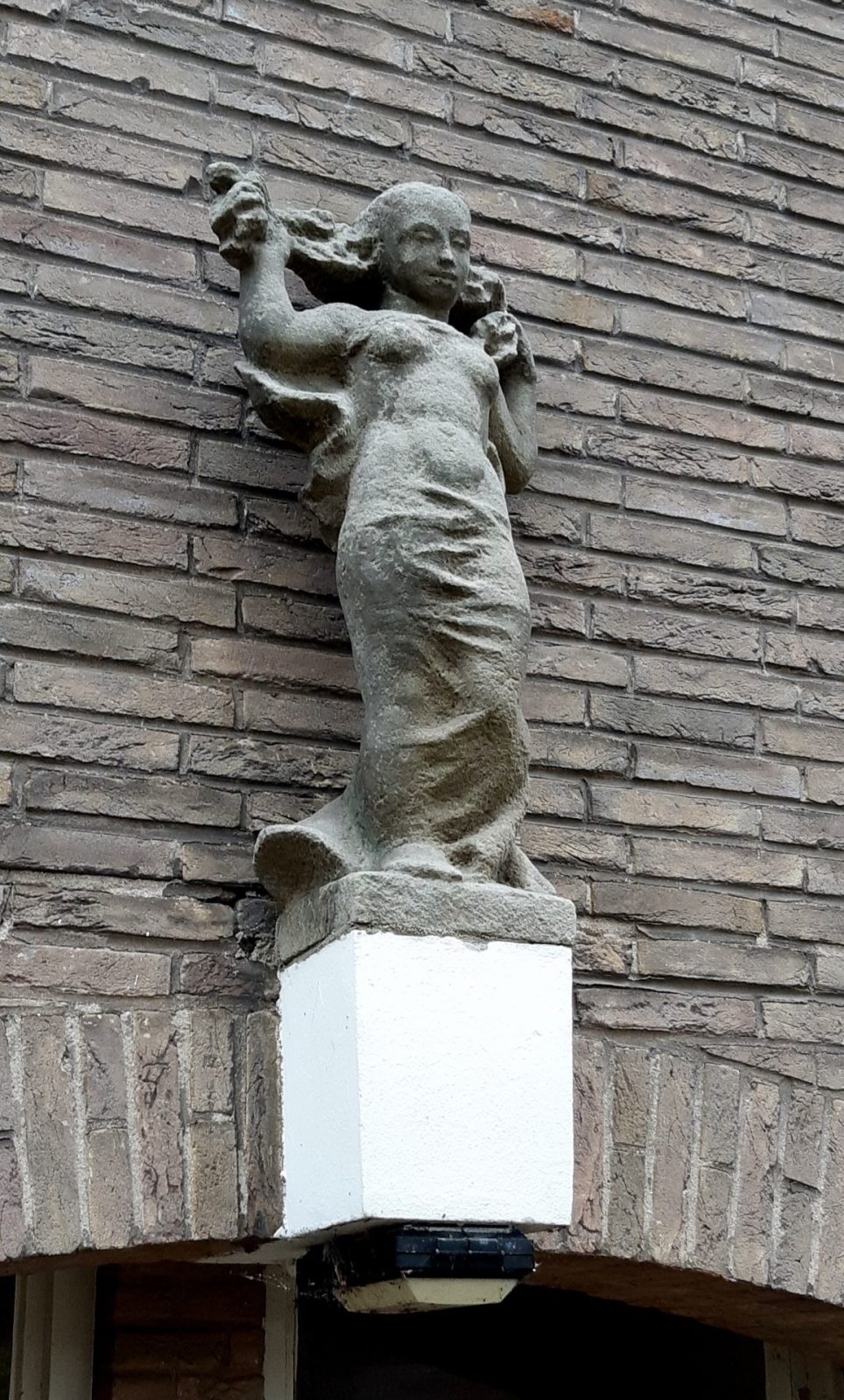
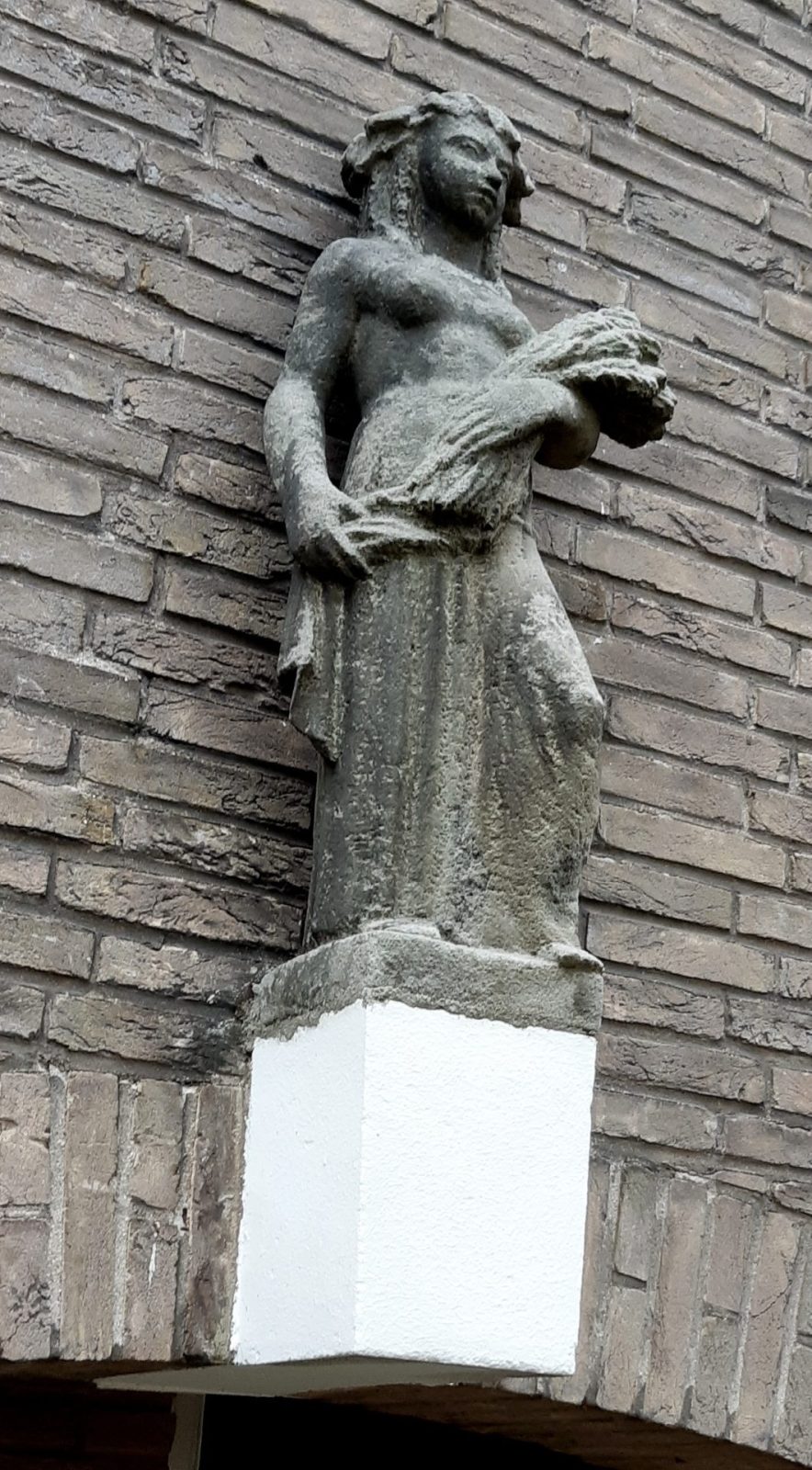
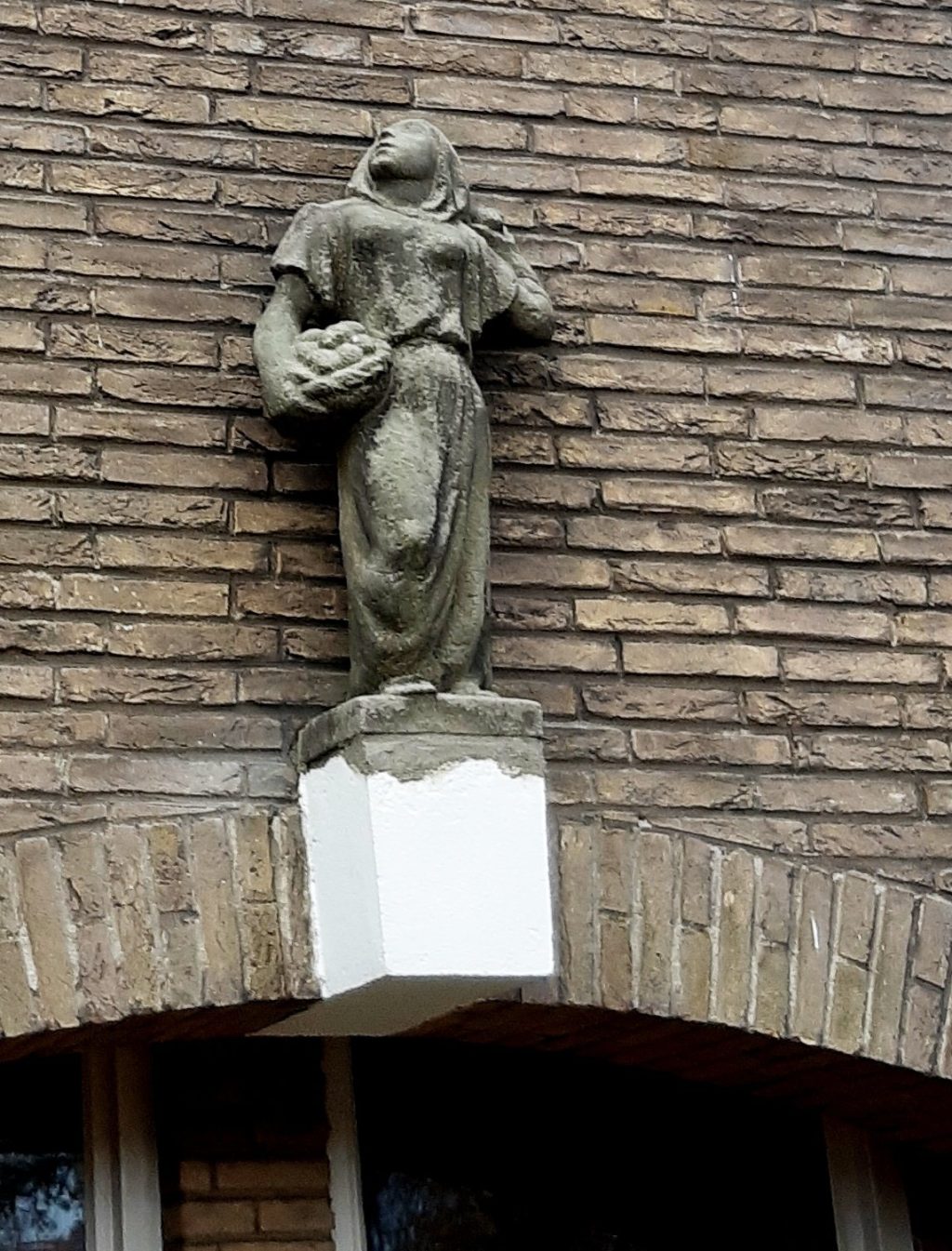
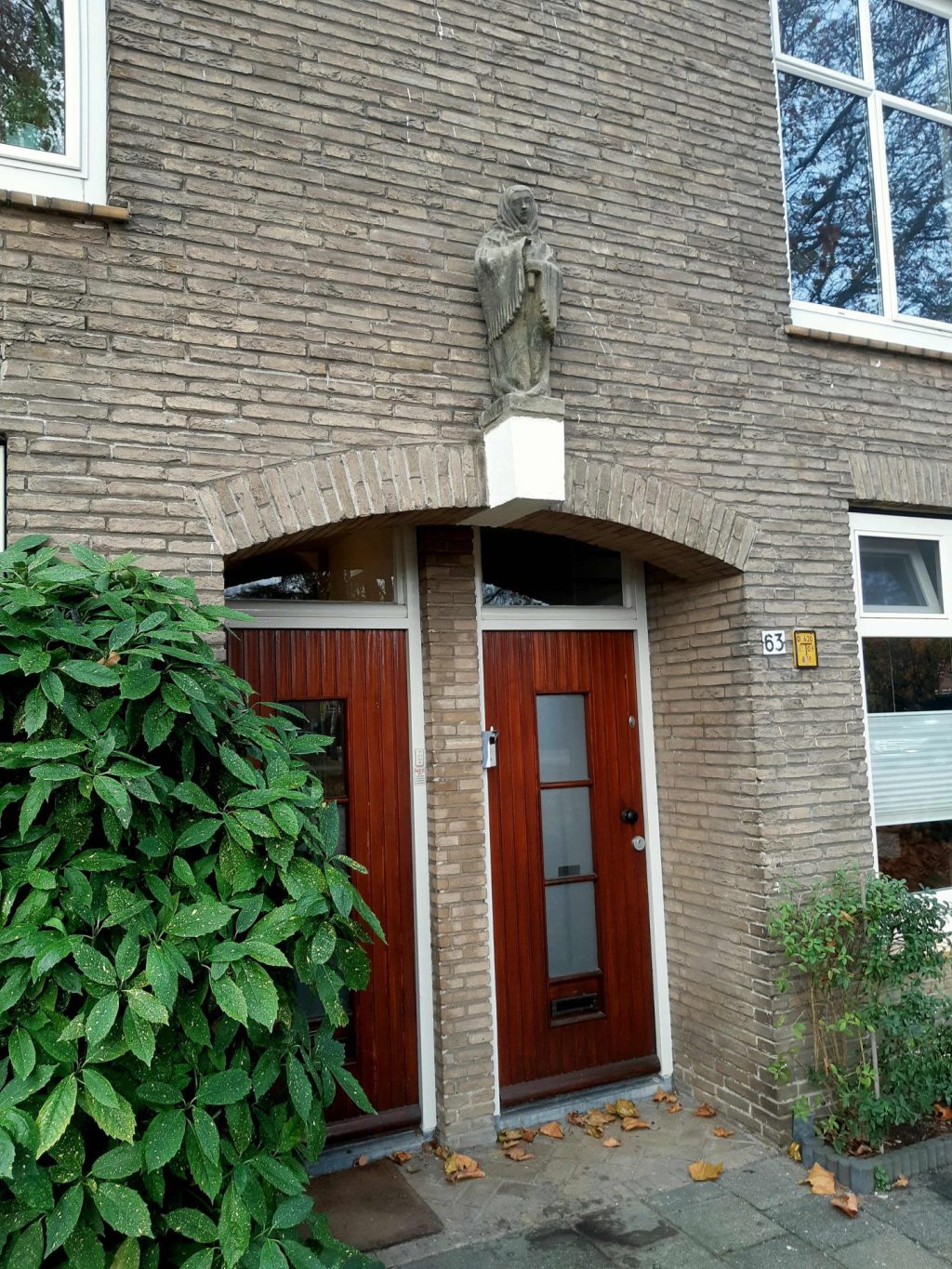
    I soon discovered that these were depicitions of the Four Seasons, probably made in the 1950's. Unfortunately I have not been able to find out who made them, but clearly it had been a classically trained sculptor. For a moment I thought they had been cast in sand cement, because the material was so coarse and crumbly. But everywhere, especially at the rear, the characteristic traces of tooth chisels were to be found, and of the pointed chisel and flat chisel. So it definitely was carved out of natural stone, a greenish gray sandstone. But not of the best quality. This porosity had contributed to the anchors rusting.

    The expansive power of rusting iron

    rusting iron pin damages statues

    Iron expands when it rusts. It can then grow up to 7 times as thick and slowly crush each type of stone. It's the same process as with concrete degradation: moisture penetrates into the base matter and corrodes the iron parts, that then expand and cause the stone to shatter. The moisture had penetrated to the core of the statues through the open sandstone. The iron pins had started to rust, although these were actually not even glued to the statues. The statues had only been slid over them and then placed on a layer of cement mortar. Yet three of the four sculptures were so cracked that they only rested on the last shards.

    Restoration and impregnation

    Winter and Autumn broken sculptures

    In September we drove to Badhoevedorp and disassembled the statues. Due to these pressing times, they have been left in storage for a while, until I could find the time to restore them. The figurines of the Four Seasons have been repaired with epoxy glue and restoration mortar. The new stainless steel anchorage is also glued in with epoxy mortar.

    Broken statues of Spring and Summer

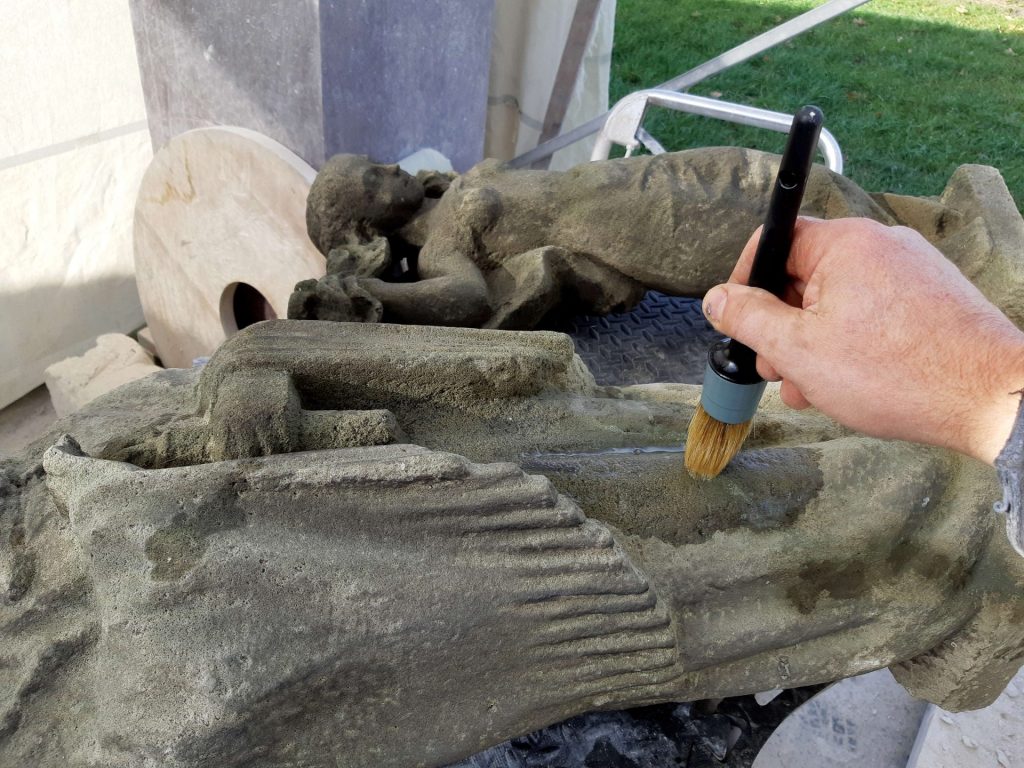
    Then I treated the figurines with a transparent hydrophobicizing agent, to repel algae and protect them from frost penetration and to delay weathering. By applying many layers of it, this liquid has saturated deep into the stone. Water will now bead more off the stone than penetrate it, while any residual moisture present can still evaporate, because it is breathable. A gore-tex jacket for stone statues, so to speak.

    Pressure washing?

    impregnation of the figurines of the Four Seasons with hydrophobic agent

    One reason for this anti-moisture treatment is that I found traces of cleaning with a high pressure cleaner, which has not done the Four Seasons any good. That must have been done against moss buildup- and to prevent algae growth, but it is not too good for the stone, certainly not with an already somewhat fragile sandstone. Small particles from the surface of the sculpture will detach, and moisture will penetrate ever deeper into weak spots. Clay inclusions are also rinsed clean as a result, causing the vulnerable areas to become bigger and bigger and details to blur. One could consider impregnating the figurines with acrylic resin or else with a silica-forming solution, that can strengthen the stone. But for the moment, the treatment I have given them now should keep the figurines good for decades.

    Sandstone is fragile?

    figurine Spring Four Seasons reinstalled
    Spring

    Often people also seem to react very strongly to the word 'sandstone’ when they hear that a sculpture has been made out of it. Maybe they think it's just a collection of loose grains or something, but lay people usually think that sandstone is a super-fast degrading stone. But the opposite is true. Statues of Bentheimer sandstone, for example, can stay sharp over 300 years in all weathers. Unless there are many fish-eating seagulls defecating on it, that is, as with the sandstone falcon from Franeker. In the Badhoevedorp case, the vulnerability was mainly due to the lesser quality of the blocks of stone. In other cases it is mainly calcareous sandstone and sandy limestone that causes problems.

    One percent regulation

    Summer

    The figurines of the Four Seasons were reinstalled last week. The hardest thing about this work was actually just drilling out the old anchorage, which was a time consuming job. But the installation itself was actually quite easy.

    The residents were noticeably happy that their sculptures had returned, and rightly so, because they define the entrance and the facades against which they stand. I also like their style myself, and I think it's a shame we don't do this anymore, placing sculpture onto buildings. When I see how much appreciation there is for them, it is actually surprising: they have a clear function and add beauty and character to the built environment. That was also the reason that there was a one percent arrangement since the 1950s which was intended for works of art: 1 percent of the construction cost of public buildings above a certain budget had to be spent on sculptures or wall reliefs or ceramics or glass art.

    Beauty made secondary to profit

    figurine Autumn reinstalled
    Autumn

    But nowadays we all think it's a waste of money and people tend to build huge houses on a postage tamp. Property has greater interests than the beauty of our living environment.

    I expect that there will certainly be another period of change one day. After all, things like this always happen in a wave motion. But it still amazes me that beauty is sacrificed for profit. Whereas a beautiful environment requires less maintenance than an ugly one, because people have more affinity with it and take care of it better. Junk attracts junk, and ugly buildings are also quickly demolished and replaced by more contemporary ones. Valued buildings do not always escape this fate, but it seems they stand a better chance.

    A turnaround is not yet ruled out

    figurine Winter Four Seasons reinstalled
    Winter

    Still, every now and then something nice in the sculptural way happens to buildings. Okay, unfortunately many architects seem to think that the craft is dead and unaffordable, and something then gets designed and executed on the computer. But when you see what happened in Haarlem with the facade reliefs of the old bus and tramway terrain, then you can get a taste how sculpture can still find its way back to the neighborhood.

    I think a revival is still possible. As far as I'm concerned, it could all be a little less with the grand aspirations. I prefer to see something more small-scale, intimate work that evokes recognition, perhaps also something that falls under the heading of 'applied art'’ than imposing works that actually mainly strive after an effect. That would probably be a professional deviation, this affinity with hidden sculptures and reliefs. But I'm curious if more people think that way. I am also curious about the themes we would propose now, or whether we would design those Four Seasons very differently today. I myself at least have plenty of ideas!

    Gallery

No more messages to show.

No more messages to show.